For the past few years, New England has dipped into a drought each summer. I keep a little chart in my planner detailing weather, along with the well levels on our land. It’s color-coded based on temperature, and it tracks rainy days, stormy weather, high heat, and deep cold. On one bitterly cold night two years ago, it dipped down to -40 F. I stayed up all night feeding the wood stoves and journalling. That same night, it was colder on top of Mount Washington in New Hampshire than it was on Mars.
Now, cold weather is to be expected in New England, and shifting weather patterns are nothing new. We just came out of an Ice Age actually: one that started back around 1300 and continued through 1850. Climate change brings out strange weather events. In 1816 —the Year Without A Summer — there was never a month on the eastern coast of America without snow. Crops failed, and people starved to death. In Europe, a chill rain fell through most of the summer. Mary Shelley, with her husband Percy and friends Lord Byron and John Polidori, wrote and shared spooky stories to pass the time indoors. Prior to this little ice age, temperatures were a few degrees warmer than we’re used to. Vikings were growing vineyards in Newfoundland, and it’s possible the weather in Greenland was closer to that of Great Britain.
Climate Changes
Now, we’re seeing shifts in weather again, and everyone’s stressing about it. So what changed? Well, we did, for one thing. Before the first warming event, humanity was living lightly on the earth. Now, we look around the trees we’ve cut, the water we’ve polluted, and shifting weather events and wonder: “Did we do this?” And sometimes, the answer is “yes”. Sometimes the answer is just more uncertainty.
Whatever the case, the earth is unsettled right now. Extreme climate change-induced weather events are becoming increasingly common and increasingly devastating.
Not all extreme events are linked to climate changes and weather either. Seismically, the earth is shifting a lot recently. Major earthquakes in Venezuala and Colombia this summer caused devastation to millions of people. But often, when we bring up concerns about extreme weather and seismic shifts, people shrug us off. They say: “it’s weather, it’s always changing” or “I could use a little of the ‘global warming’ right now”. But clustering weather events aren’t happening in isolation: they’re pointing to an overall trend. And that trend is terrifying.
Major Weather:
Last year’s weak La Niña transitioned this spring into an El Niño weather pattern. Weather definitions like these describe a collection of patterns. In short, El Niño years produce warmer than average winters in the US, and a lot of big storms throughout the world.
Climate scientists have been warning that this year’s El Niño may be the most powerful on record. The Super El Niño in 1877 caused a global famine that killed 40 to 60 million people worldwide. That was 4 percent of the world population at the time. This year’s El Niño is estimated to be 36 per cent stronger than the 1877 event, and is stronger than any event in the past 1,000 years.
We’ll see the full effect of it between November of this year, and January of 2027.
Related Article: This Year’s Record-Breaking “Super El Niño” Weather Event May be Devastating
US Winter Storm Fern
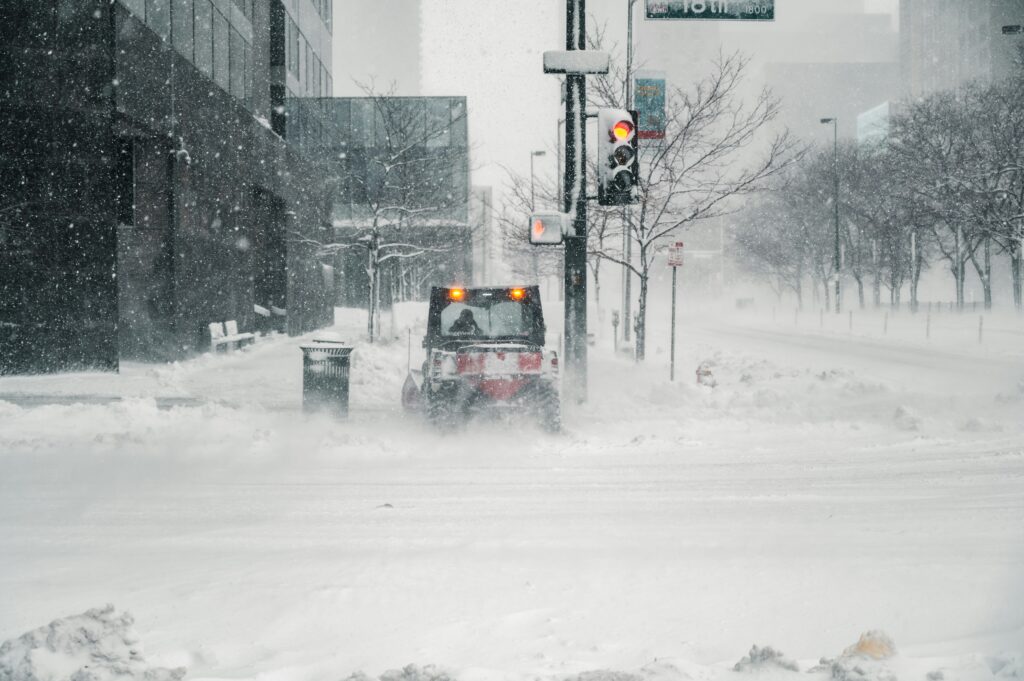
In North America, the year started with a big winter storm in January that had most of the country digging out for days. Unofficially referred to as Winter Storm Fern, this storm dumped snow from New Mexico to Maine. In the Northeast, it wasn’t outside of the normal range for storms, but it was enough to ground flights for days. Furthermore, over 170 people were reportedly killed in relation to the storm throughout the country.
Flooding in Kenya
Between March and May of 2026, flash flooding in Kenya killed at least 66 people and damaged over 6,000 households. Flood waters ran through city streets in Nairobi, sweeping away vehicles and people. Kenya experiences a heavy, rainy season between March and May, but the extreme rainfalls exceeded the country’s ability to contain the fast rising water.
European Heatwave
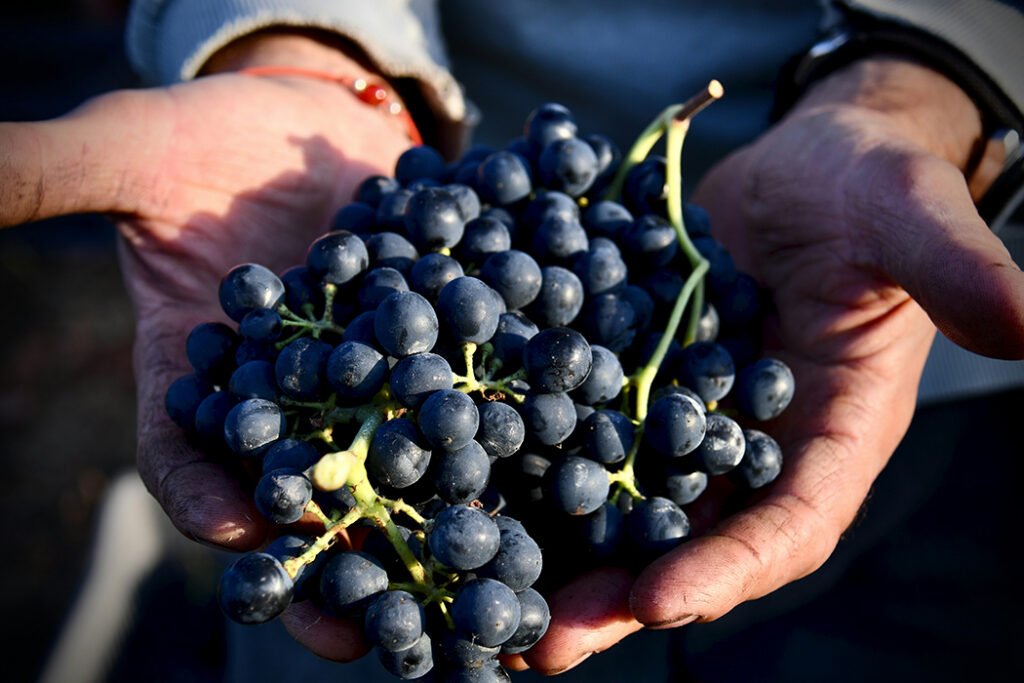
Throughout the summer, heat waves across Europe have contributed to the deaths over 34,000 people so far. New record temperatures were recorded throughout the E.U. and the U.K. The heatwave is causing fires throughout Europe and contributing to a drought throughout Europe. This is quite a different heatwave than the Medieval warming period, though.
Instead of milder temperatures throughout the seasons leading to an overall increase in yearly temperature, this is just a sudden extreme spike during the summer. It’s not comfortable, grape-growing weather: it’s drought and fire weather. In Burgundy (Bourgogne), the grape harvest started on August 8th. From From 1354 to 1987, the average grape harvest start date was 28 September. That’s nearly 700 years of consistent grape-harvesting weather, until now. This year’s harvest is the earliest ever recorded, and the yields are paltry at best.
Flooding in China and Nepal
On August 26, flash floods along the China-Nepal boarder destroyed multiple communities and killed over 900 people. The results of the flood are still being investigated. Right now, it looks like the flood began because of seismic activity — a 5.5 magnitude tremor — that caused a glacial collapse. As of this writing, almost 5,000 people are still missing and flood watches are in effect for communities all along the Trishuli river systems.
Scientists are currently worrying about ancient bacteria that may have been released when the glacier collapsed. Furthermore, these glaciers provide water for millions of people. If they collapse completely due to climate crises, billions will need to migrate elsewhere in search of clean drinking water.
Related Article: “Unprecedented” Storms are Becoming More Frequent — Here’s How to Prepare for Them
Mount Etna
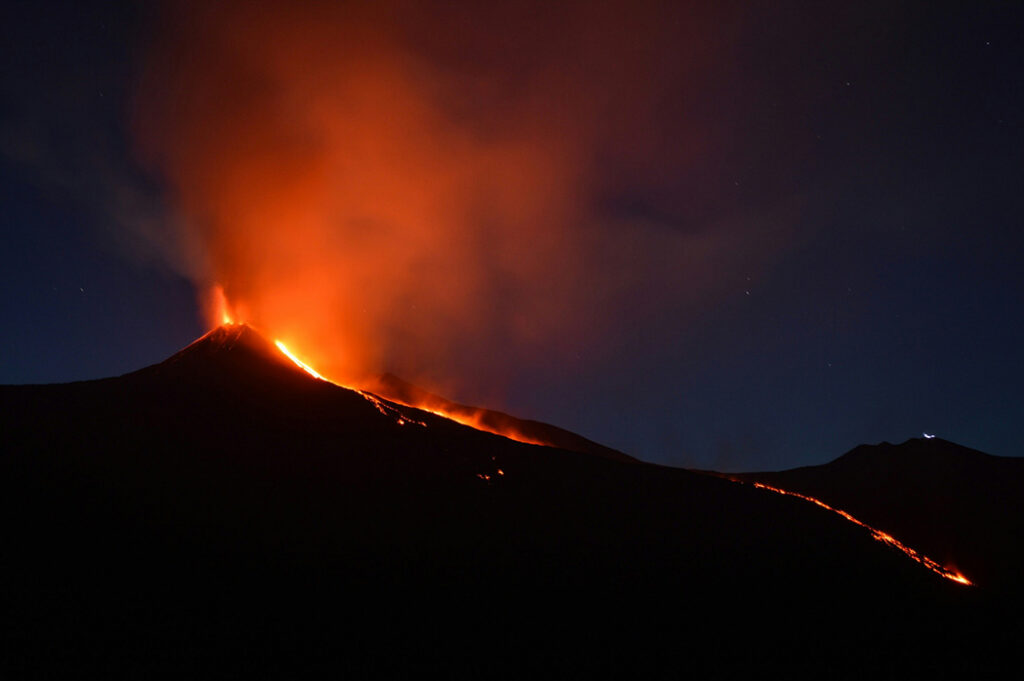
One of the tallest active volcanos in Europe is Mount Etna, on the east coast of Sicily, Italy. It’s a highly active volcano that rumbles on a regular basis. Ominously, on the 1st of January 2026, Mount Etna began a new, eruptive phase, with lava seeping out and smoke erupting.
Throughout the summer of 2026, Mount Etna was seen producing smoke and lava, causing flights to reroute and ground warnings to increase. Mount Etna has been active for over 2,700 documented years, and perhaps over 500,000 years but the past few decades have been increasingly active.
Venezuelan Earthquake
On June 24th, Venezuela was hit by 7.2 and 7.5 Magnitude Earthquakes 30 seconds apart. While high magnitude earthquakes do happen multiple times each year, most of these earthquakes take place in remote areas of the ocean. Alaska generally has one 7 magnitude earthquake each year in its wilderness areas. But when a 7+ magnitude earthquake happens in a populated area, like northwestern and central Venezuela, the effects are devastating.
Over 6500 people have been reported dead, while more than 10,000 are still missing. Geological experts remind us that the number of earthquakes each year is remaining stable, but when we watch the impact of each new earthquake, it’s hard to keep that in mind.
Lead photo by Iqro Rinaldi on Unsplash