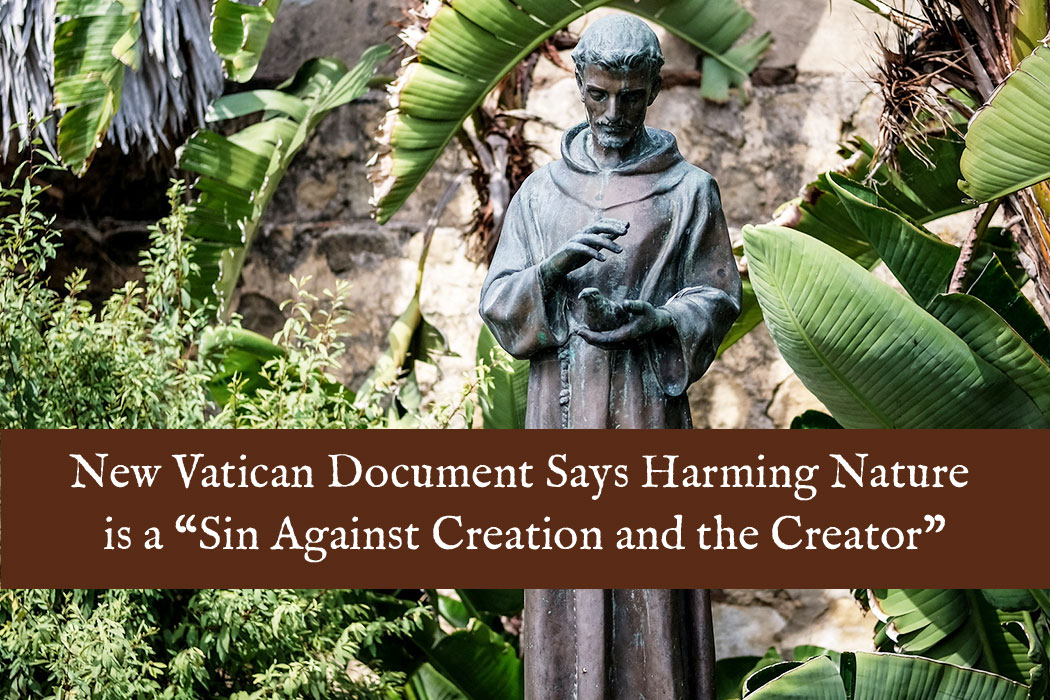
One of the saddest results of our contemporary, political polarization is the way in which care for the Earth has become politicized. Too often, whenever we think of protecting the natural world, we picture liberals buying organic produce and protesting against fossil fuels. Conservatives eat MacDonalds and throw the wrappers out the windows of their gas-guzzling trucks as they drive away. Of course, the truth is more nuanced, and often contradicts these stereotypes. For many people, rhetoric only occasionally touches upon the choices they make in day-to-day life. The document the Vatican released recently hopes to change their perspectives.
Laudato Si
In 2015, Pope Francis published his encyclical Laudato Si: On the Care for Our Common Home. It was an appeal from the Pope to “every person living on this planet” for a dialogue about how we are caring for the earth. While Laudato Si is the first papal encyclical to focus specifically on environmental issues, it is built on a long history of Catholic teaching. Much of the encyclical is made up of quotations from previous popes, saints, and theologians. In Laudato Si, Pope Francis coined the term “ecological sin” to refer to humanity’s neglect for or misuse of the natural world.
This fall, a newly released document from the Vatican, building on the encyclical Laudato Si, seeks to continue that uncomfortable conversation. This document is entitled: Caring for Our Common Home: A Responsibility Born of Faith. It is not an papal encyclical (an authoritative letter written by the Pope on a particular topic, such as Pope Leo’s recent encyclical on AI). It’s merely a document, put forth by a Vatican theological commission and approved for general release by Cardinal Víctor Manuel Fernández, prefect of the Dicastery for the Doctrine of the Faith, after being presented to Pope Leo XIV.
Related Article: 40,000-Acre AI Data Center in Utah Gets the Go-Ahead, Devastating Local Residents
Caring for Our Common Home
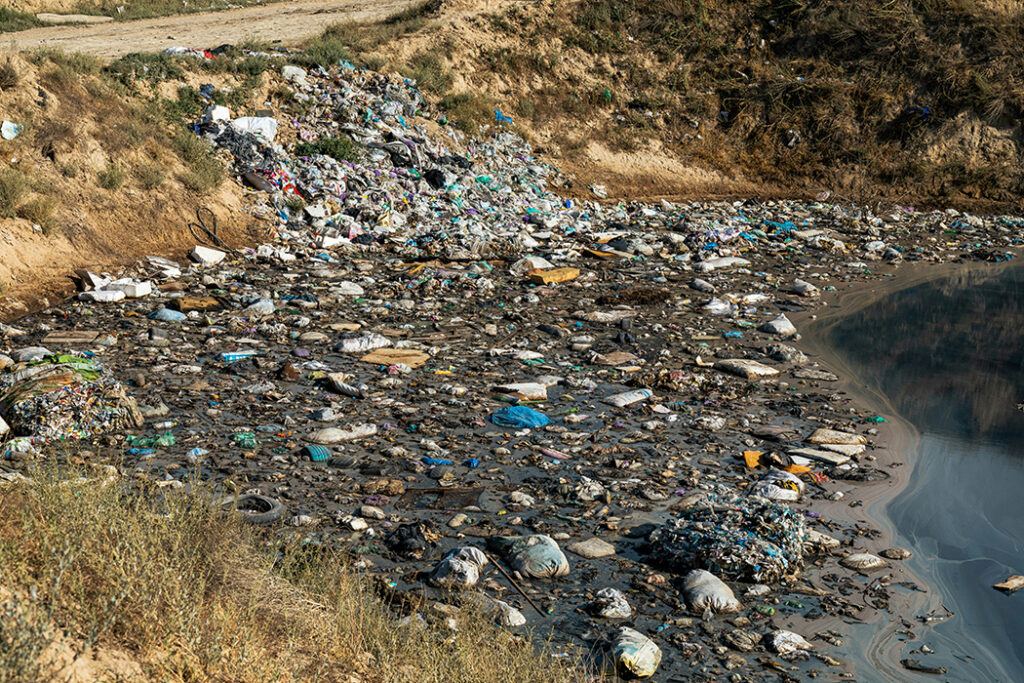
While this new document doesn’t have the weight of an encyclical, it does act to renew the conversation the Vatican attempted in Laudato Si. It’s a reminder that this new pope, Leo XIV, is also determined to fight for the natural world.
Building off of Francis’ use of the term “ecological sin”, the document refers to “this sin against our common home as a sin “against creation and against the Creator” insofar as it violates the meaning of creation as intended by the Creator”. This language gives a little more strength to the term. It reminds Christians that creation — including humanity — belongs to the Creator. As such, it has a right to demand care and protection from humanity as the stewards of the natural world.
Related Article: The Life, Legacy, and Passing of Pope Francis
Historical Precendent
This may sound like a wild leap into leftist environmentalism to some. Or signs of hopeful progress in the Catholic Church to others. In reality, it’s merely a reclamation of an earlier, Catholic attitude towards the natural world. The document itself traces early Church approaches to the care of creation. This includes St. Francis’ delight in and concern for the natural world. It follows the changes in attitude toward man’s responsibility toward creation that began in the 16th century. That’s when many people turned away from seeing the natural world as God’s creation and towards a more ‘predatory’ and human-centric outlook.
The document reminds us that medieval humanity saw the natural world in an entirely different way than we do today. Medieval Catholics saw God working in nature. As such, they considered their role in the natural world to be one of stewardship and care. The document quotes heavily from Catholic saints such as Augustine of Hippo and Hildegard of Bingen. It also includes modern scientific discoveries, reminding the reader gently that many scientific theories, including the “big bang” were developed by devout, Catholic priests. Furthermore, much of scientific development came about in large part due to medieval, monastic colleges.
Related Article: A Canadian City Now Recognizes Trees as Sentient Beings with Legal Rights
Primary Focus

The document uses this foundation to underscore the argument that the extremes of exploitation of the natural world and anti-human environmentalism are both destructive. Returning to the understanding of humanity as both steward and servant of creation is essential.
The document pushes towards an ecological conversion that affects our everyday choices. Not one that involves posturing and polarization. Not one that demands political action or protests. But a conversion that changes how we see our place in the world. Mindful consumption, rest and work in balance, ascetic practices, and reverence toward creation. Additionally, a willingness to hear the cry of the earth and of the poor.
The document catalogues ‘alarming levels of biodiversity loss, pollution, and the ecological toll of armed conflicts. It notes that the poorest nations, while often least responsible for enviornmental damage, are suffering the most from it.
The document is built around the idea of the individual’s relationships: with God, with oneself, with creation, and with humanity. It aims to guide readers into caring for the world modeled after the perfect love of the Trinity. This is “a responsible and fraternal response to the Triune God”. It is not merely an environmental document, nor is it merely a theological document. The goal of this piece seems to be “all things to all people” in the hopes of leading all into a new care for the Earth we share. And hopefully through that, to a new relationship with the Creator.
Featured image by Mission Santa Barbara, via Flickr Creative Commons, license 2.0