Russia is dealing with the pneumonic plague. Kenya and the Democratic Republic of the Congo (DRC) are dealing with an Ebola outbreak. Flea-borne typhus cases are increasing in California, and now a form of sexually transmitted diarrhea is exploding across the United States. Someone on X/Twitter commented that all we need is for Genghis Khan to come back to life and we’ll all be “Byzantinemaxxing”.
So what is this sexually transmitted gastrointestinal dismay that’s affecting hundreds of thousands of people across the USA?
What is This Illness and What’s Causing It?
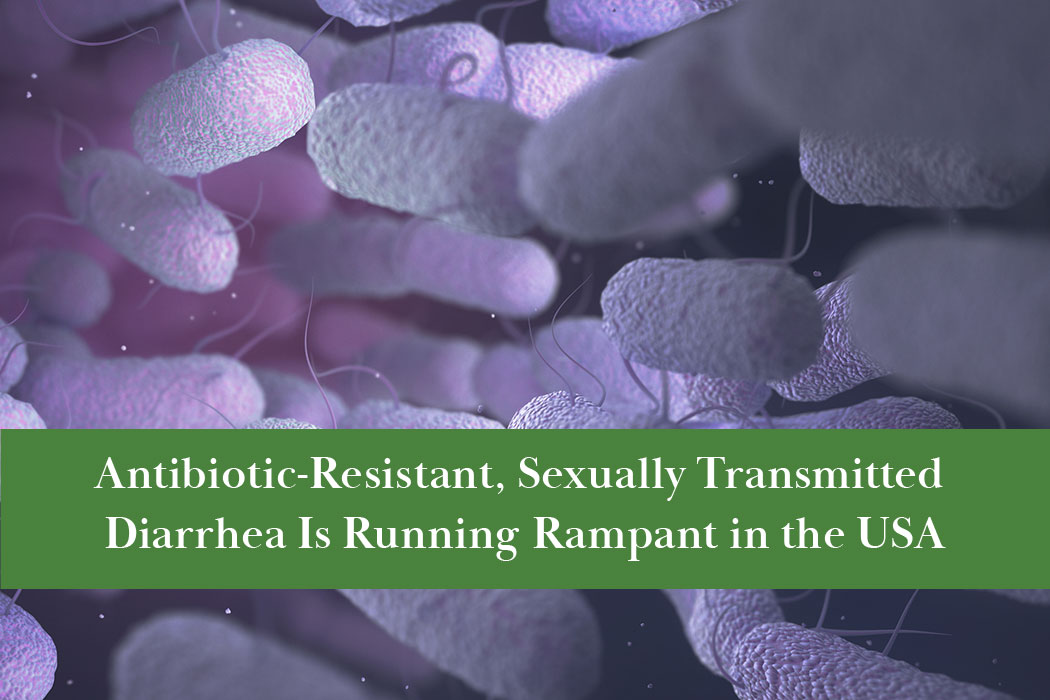
Shigellosis is a gut infection caused by Shigella bacteria. This infection causes severe nausea, fever, stomach cramping, and powerful, dysentery-like diarrhea that can become bloody. According to the CDC, approximately 450,000 people come down with shigellosis every year, but those numbers are increasing. Furthermore, the bacteria that cause it are now becoming resistant to antimicrobial treatments.
This infection is most often transmitted via contaminated food or water. That said, many cases are also transmitted sexually. As such, it’s imperative to be meticulous about personal hygiene before and after intimacy.
An ounce of prevention is worth a pound of cure. To avoid contracting shigellosis, be as diligent about personal hygiene as possible. Clean yourself thoroughly after using the toilet, and wash your hands with plenty of soap and hot water. If soap isn’t available, clean your hands with an alcohol-based hand sanitizer gel (at least 60 percent alcohol).
Related Article: Hundreds Quarantined in Russia After Suspected Pneumonic Plague Death
How is Shigella-Caused Diarrhea Treated?

Since Shigella bacteria are often found in food and drinks, only drink boiled, bottled, or microfiltered water. Wash raw fruits and vegetables with soap and water before eating. Eat at home whenever possible, preferably fully cooked, hot foods. Additionally, if you swim in ponds, lakes, or rivers, don’t drink any of the water. Shower thoroughly after being in bodies of water, and wash any wet clothes in hot water.
If you’ve had severe gastro issues (including diarrhea), avoid sexual contact with others for at least two weeks. This can help to prevent spreading the illness if you had it.
Since Shigella bacteria are resistant to almost all common antibiotics, those who contract the illness are advised to wait it out. Most people recover within about a week. Doctors advise plenty of rest, and clear fluids to avoid dehydration. Those afflicted should not take anti-diarrheal medication like Imodium. Doing so can cause the infection to remain in their system longer, thereby extending their illness.
People only need to seek medical attention if their fever rises above 102F/39C, or if they have bloody diarrhea for more than three days.
Featured image © Kts, via Dreamstime.com