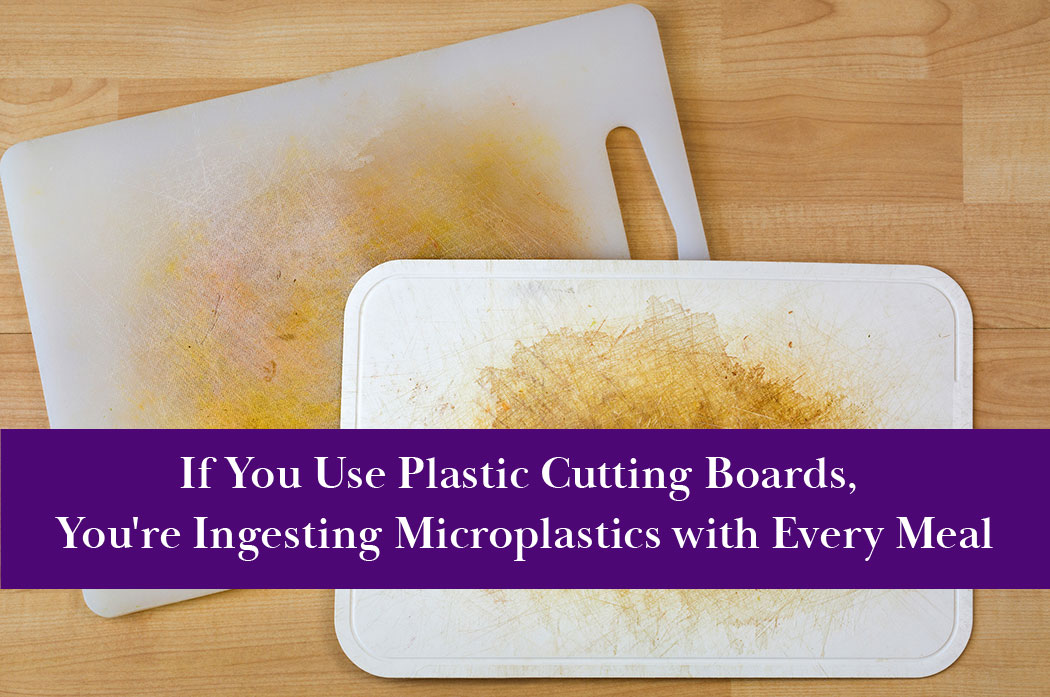
According to Stanford Medicine, nearly ever human being and ecosystem on Earth is contaminated with microplastics. They exist everywhere from the organs of newborn babies to drinking water. And if you’re using a plastic cutting board at home, you and your family members are consuming thousands of them with every meal.
What are Microplastics and Why are they Harmful?
Microplastics are synthetic fragments ranging from under a micrometer to 5mm or so. They’re shed from everything from water bottles and synthetic clothing to personal care products. According to scientific research, there’s no longer any kind of “control group” of unexposed people, animals, or plants. They’re all contaminated with these particles.
The reason why microplastics are so insidious is because of the gradual harm that they cause.
For example, they can increase cardiovascular and neurological strain by accumulating inside fatty arterial plaques. For example, they’ve been found in our carotid arteries — the major vessels that deliver blood to our brains. Essentially, this is like creating dams inside arteries, which affects circulation and contribute to issues like strokes and heart attacks. Studies have also found microplastics in our blood, livers, kidneys, and brains.
In addition to affecting blood circulation, these microplastics also cause chronic joint inflammation. They disrupt hormone function and metabolism, and can accelerate cell death.
Related Article: EU Lawmakers Push to Reduce Trash by Slashing Food Waste and Curbing Fast Fashion
Why You Should Replace Your Plastic Cutting Board

Many households worldwide use plastic cutting boards for preparing meals. These gained popularity in the 1950s and 60s with the rise of the plastic industry. In addition to being used by home cooks, they’re also the de facto choice for commercial kitchens, restaurants, and other food manufacturers. Many people prefer them to wooden boards because they’re lightweight and easy to clean.
The problem is that they also shed microplastics with every use.
If you have plastic cutting boards, take one out and have a good look at it. Do you see all the scratches across its surface? Those are created every time you use a knife on that board. Each cut slices tiny grains of plastic out of the board, into the food you’re preparing. Where do you think those tiny plastic shards go? Into your body.
According to some studies, the average person may swallow up to 50g of microplastics from these cutting boards annually.
This is because each time you use a plastic cutting board, you can scrape up to 1,114 microplastics into the meal you’re about to consume.
Furthermore, in 2025, Nanjing University researchers shared a disturbing study in Environmental Health Perspectives. According to the study, they fed mice for 12 weeks with food prepared on plastic cutting boards. All of those mice showed significantly altered liver function, gut inflammation, and altered gut bacteria. As such, in addition to the microplastics ingested with every meal prepared on a plastic board, you’re also damaging your digestive system with every bite.
Related Article: Rainwater is No Longer Safe to Drink Anywhere on Earth
Which Alternatives are Best?

There are pros and cons with the different types of cutting boards available out there.
For example, wood and bamboo cutting boards are quite porous. As such, they can hold onto various types of bacteria if they aren’t cleaned properly. The best way to keep them clean is to wet them thoroughly on both sides with hot water. Then wash them with dish soap, rinse thoroughly, and allow them to dry upright. For stubborn stains or lingering odors (like onion), scour the boards well with coarse salt and half a lemon.
Bamboo boards are less porous than wooden ones, but also have their issues. Some are glued together using adhesives that contain formaldehyde. As a result, it’s important to seek out bamboo boards that are specifically labeled as formaldehyde-free.
Titanium cutting boards are incredibly hygienic because of how easy they are to sterilize. That said, they’re also terrible for knife edges and can make excruciatingly awful sounds during the cutting process.
As you can see, different boards have their pros and cons. The best thing you can do is try them out to see which you like best. Just make sure to ditch those plastic boards as soon as you can, and cut down on other synthetics as well. We may not be able to remove the microplastics from our bodies and surrounding environment, but we can reduce the amount that we absorb from here on in.
Featured image © Kewuwu via Dreamstime.com