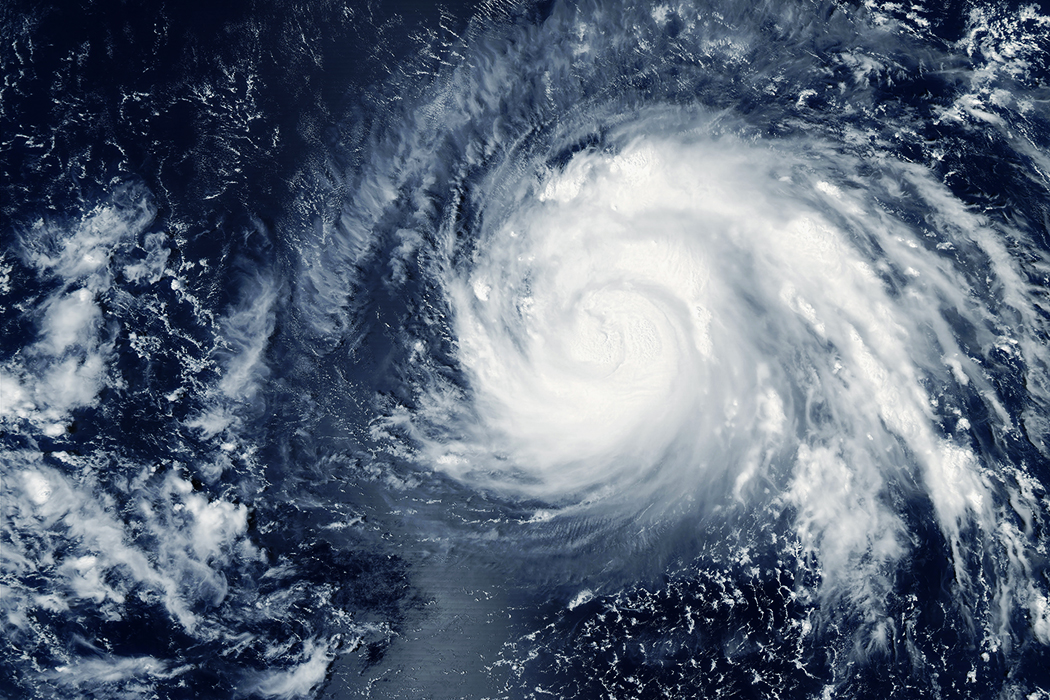
Storms have always been a part of seasonal cycles on earth, causing damage to property, people, and wildlife. Humans have a lot of experience preparing for seasonal torrential rains, floods and high winds in order to get through them with the least amount of damage and loss. But people need to update their preparedness to keep pace with storms that are becoming ever-more supercharged by climate change. In fact, earlier today AccuWeather warned people across North America to “prepare for disaster” by stocking up on supplies.
The Center for Climate and Energy Solutions (C2ES) cites a number of climate influences on hurricanes. Hotter earth surface temperatures cause more evaporation which causes greater precipitation. Additionally, rising ocean levels bring floods further inland, thereby affecting more people.
In addition to this, warmer sea surface temperatures intensify tropical storm wind speeds. This makes them a lot more dangerous if they hit land. With the National Oceanic and Atmospheric Administration predicting an increase in category 4 and 5 hurricanes, along with hurricane wind speeds, we all need to be more proactive with our storm preparedness plans.
First and Foremost, Have Two Ways to Get Local Emergency Information
Your preparedness plan begins with setting up your phone with local area alerts. Look for “local weather and emergency alerts” on your internet browser or search for it on your city’s home page. Most cities will have alert services you can sign up for that will text you emergency information for your specific area as it’s happening. This is a vital service to have, as they will tell you what evacuation routes are open to you, which ones they prefer you to take and which routes are completely closed. They’ll also give you vital information such as where emergency shelters have been set up.
Have an NOAA weather radio in your house
Your cell phone is sensitive to power and cell service outages during emergencies. You need to have an alternative way to keep up to date on changing weather conditions, evacuations and evacuation routes your city is issuing. NOAA weather radios come in a few different powering options: solar, battery, and hand cranked. To be sure you have information access no matter what, get one that has two powering options and make sure one of them is hand cranking. Go to the NRW site to find the frequency reporting on conditions nearest your area.
Related Article: COP30 Climate Change Conference Results — The Good, the Bad, and the Hopeful
Develop a Family Emergency Evacuation Plan
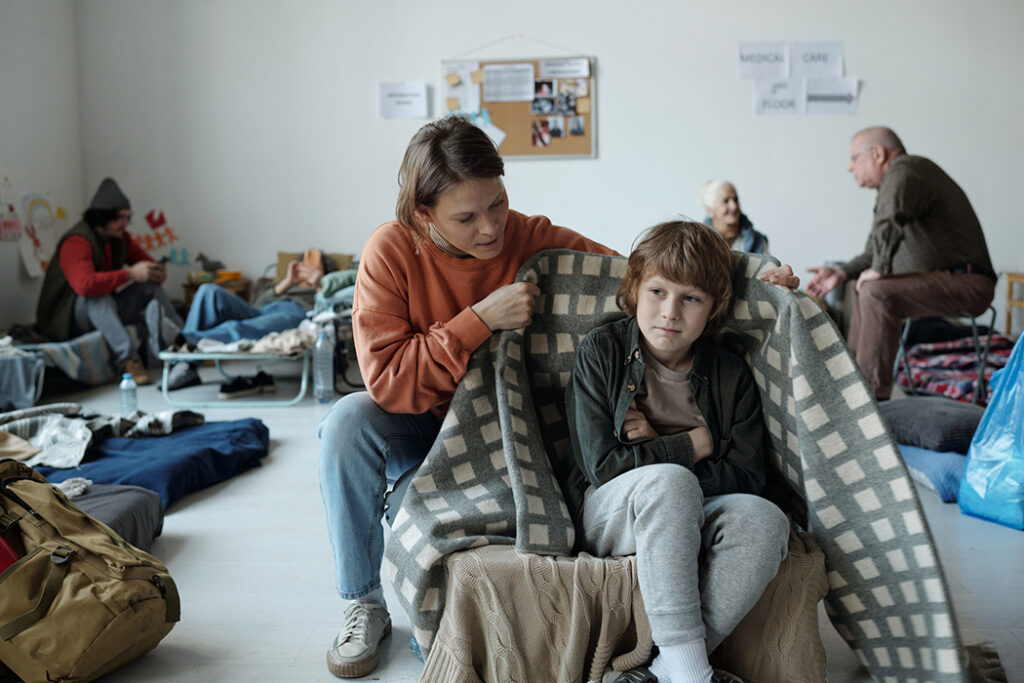
You can create a plan that’s as simple or as detailed as your family needs. Here’s is the minimum that every family should include in their plans:
- Choose one local and one out of state emergency contact and make sure every family member has that number listed in their phone under “emergency contact”. During extreme storms, local phone services are often overloaded with calls, As such, it can be easier to get through to someone out of state than it is to get through to someone in your own city. You can communicate with your family through your out of state contact if necessary.
- Determine a meeting place in case you get separated — one that’s at least one or two counties away from your home. A family or friend’s house might be most comfortable but hotels/motels are also good options.
- If you have pets, decide who will be responsible for crating and transporting them. Make sure everyone in the family knows where the pet crates and supplies are kept, and keep it consistent.
- For evacuations that occur when the family is home together, map out the safest shortest routes for getting out of the house from each floor. You can copy these routes and post where they’re visible.
Go Bags and Essential Items for Bad Storms
- Every family member needs a “go bag”, including pets. These don’t need to be packed in advance, but every family member should have a list of what items they should prioritize tucked in them. This way, when an evacuation notice is given, they can pack calmly and confidently. If you live in an area where extreme storms with evacuations are common, having a dedicated (always packed) go-bag is a smart idea.
- Keep all vital documents in one portable waterproof container. This includes passports, social security cards, birth, death and marriage certificates, vehicle titles, home and vehicle insurance policies. Additionally, have copies of wills, deeds and any financial documents not accessible online.
- Make sure your plan accounts for any special prescription medicines, medical equipment (make sure you can fit it in your vehicle with everything else) or other special needs items.
There are many free printable personal emergency plan templates which can help you get organized without getting overwhelmed. These can ensure that you don’t leave out any essential components that’ll keep you, your family, and pets safe. A PDF produced by your own city or county may offer useful numbers and information tailored to your specific region. Some plans offer more detailed lists of suggested supplies and training than others, if that’s what you need.
Training Your Family for Evacuation
It’s important not to underestimate motor memory when it comes to emergency planning. Practice helps you remember vital parts of your plan during stressful rushed times. It’s recommended that you practice your family evacuation plans every six months.
- Imagine several different scenarios that might occur (blocked doors or windows) and have everyone exit the house according to each scenario.
- Spend some time getting your NOAA weather radio out. Make sure each family member can turn it on, crank it for power, and find the local frequency for notifications.
- Have everyone pack their go bags, gather pet supplies and any specialized equipment, and pack the car. Take note of things that were hard to find or that were missing from your supplies list and adjust accordingly.
You may decide (or be told) to shelter in place during some bad storms. As such, it’s just as important to be prepared for this possibility. The first step in preparing is picking the safest room to gather and sleep in while the storm is at its most dangerous. Either a basement or a room with the fewest windows possible on the ground floor near an exit are the best options.
Related Article: The U.S. Assault on Venezuela and its Global Repercussions
Supplies to Have on Hand When Sheltering in Place
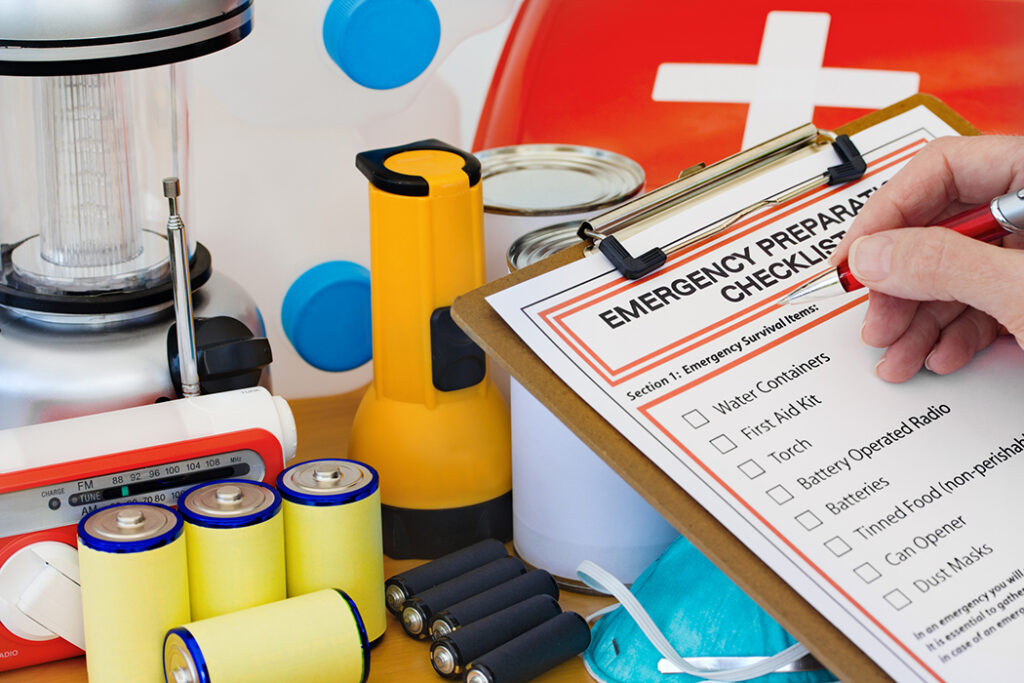
- One gallon of water per day per person to last 3-7 days.
- 3-7 days worth of non-perishable food, such as ready-to-eat canned and dried foods for yourselves and your animal companions. Pre-packaged protein bars, grain bars and crackers are good options to have on hand.
- 7 days worth of prescription medications.
- A power bank or generator for charging up phones and other electronics.
- Battery-powered flashlights with plenty of extra batteries.
- Manual can opener, utility knife, wrench/pliers (for turning off utilities), lighters and/or matches in waterproof containers.
- Blankets and sleeping bags for keeping warm.
- Keep good first aid supplies on hand such as: bandages in a variety of sizes, rubbing alcohol, antibacterial ointment, ibuprofen and tweezers.
- Personal and intimate hygiene items, including a portable toilet in case plumbing and water systems fail.
- Toys, games, books, puzzles, and other comfort items to keep your minds and hands occupied.
Once you come up with your evacuation and shelter in place plans and stock up on at least the basic emergency supplies, it won’t be difficult to keep yourself up to date on new recommendations. Being prepared for increasingly strong storms will alleviate some of the anxiety that comes with extreme weather.
Remember that it’s always better to have something and not need it, than the other way around.