
There was once a time when a walk around the UK’s many waterways offered glimpses at the busy beavers that were hard at work. These adorable, industrious, water-loving rodents lived in most of Europe for over 30 million years. That is, until the 12th century. Human activity drove them to extinction across the UK. In fact, the last record of any beaver being seen was in Scotland, in the late 1500s. Now, beavers have been reintroduced to England for the first time since King James I was on the throne.
Why did Beavers Disappear from the United Kingdom?
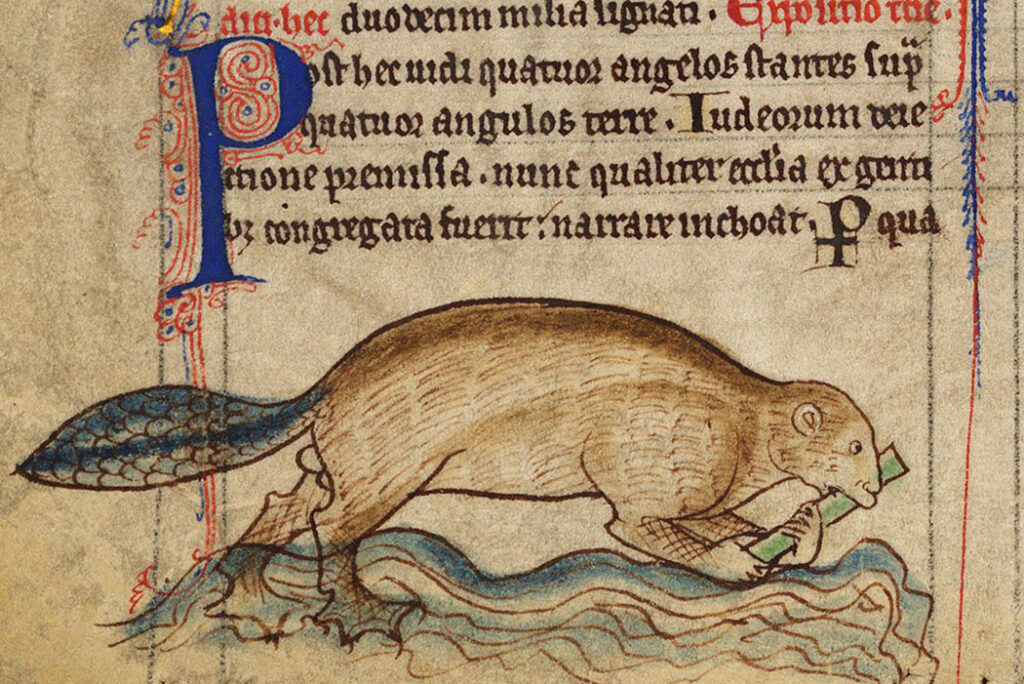
The Middle Ages in the UK had firm rules about what was and was not edible throughout the year. Since Catholicism was the ruling religion at the time, people were forbidden from eating meat on Sundays, holy days, and during Lent. The thing is, since beavers are semi-aquatic and have scaled tails, the medieval Catholic Church categorized them as fish. This allowed them to be hunted down and eaten by whoever had the means to do so.
Not only were they hunted for their meat, but also for their pelts. Their warm, waterproof fur coats were used for both clothing and blankets. Furthermore, a chemical compound in beavers’ scent glands called castoreum (from the Latin word for “beaver”) was used in perfumes and medicines. As a result, beavers were hunted nearly to extinction.
The effect that the lack of beavers had on the environment across the UK was astonishing. The wetlands that beavers create support an incredible amount of biodiversity. Animals, plants, and insects all thrive in the wetlands they manage, and their efforts reduce flooding while improving water quality overall. We have no idea just how many species were lost when beavers were eradicated. All we know is their absence changed the UK’s landscape significantly. In fact, according to Nature.com, the absence of beavers caused 75 to 90 percent loss of wetland habitats since the 17th century.
Related Article: Good News! Giant Pandas are Off the Endangered List
Why are They Being Reintroduced Now?
Environmental stewardship is of great importance to UK conservationists. After a pair of beavers appeared in Little Sea in 2024, it was decided that it was time to encourage these industrious animals to do what they do best. As such, another pair (whom local children have named Bertie and Beryl) were released into the Old River Bed in Shrewsbury in February of last year. Another pair was introduced to the River Clun in March.
Tracey Churcher, the general manager of Purbeck Beaver Trust says:
“Getting the wetlands back into our landscape is absolutely critical in restoring our ecosystems and making sure that they function efficiently and making sure that we do not stay as the most nature depleted country in the long term,” she said. “They are key for rebuilding that and always were supposed to be in this landscape. It was persecution that led to their demise.”
Beavers became a UK protected species in 2022, under the conservation of Habitats and Species Regulations 2017. As such, it’s now a criminal offense to disturb, injure, capture, or kill a beaver, or disturb its habitat.
How Beavers are Already Changing the Landscape
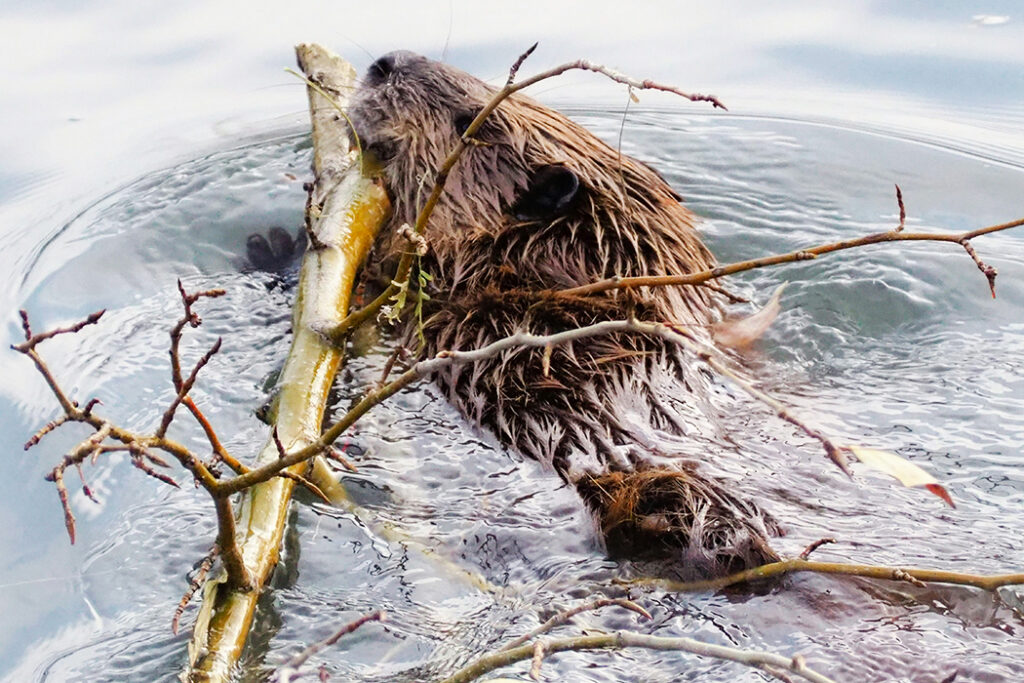
One of the first things that observers noticed was the bird life that has returned to the area. The new wetlands being formed by the beavers’ labor is providing safe haven for water fowl like ducks and swans. Amphibians like frogs and toads are returning to areas that had previously been dry.
Dragonflies, songbirds, and bats flock to these areas, as do foxes and badgers. Essentially, the entire cast of The Wind in the Willows is showing up. Furthermore, water voles — Britain’s most endangered mammals — thrive in beaver-cultivated wetlands. Salmon and trout are also known to get bigger and healthier in beaver wetlands.
Healthy waterways are the heart of all communities on the planet. In fact, you may have noticed that civilization itself sprung up around rivers and lakes. Beavers are bioengineers who keep these waterways healthy, and life around them can’t help but thrive by extension.
Related Article: Century-Old Plants and Insects Burst Back to Life In Toronto’s Don River Restoration Project
Get Involved, or Stay Informed!
Dorset Wildlife Trust Beaver Project
Featured image by Francesco Ungaro on Unsplash