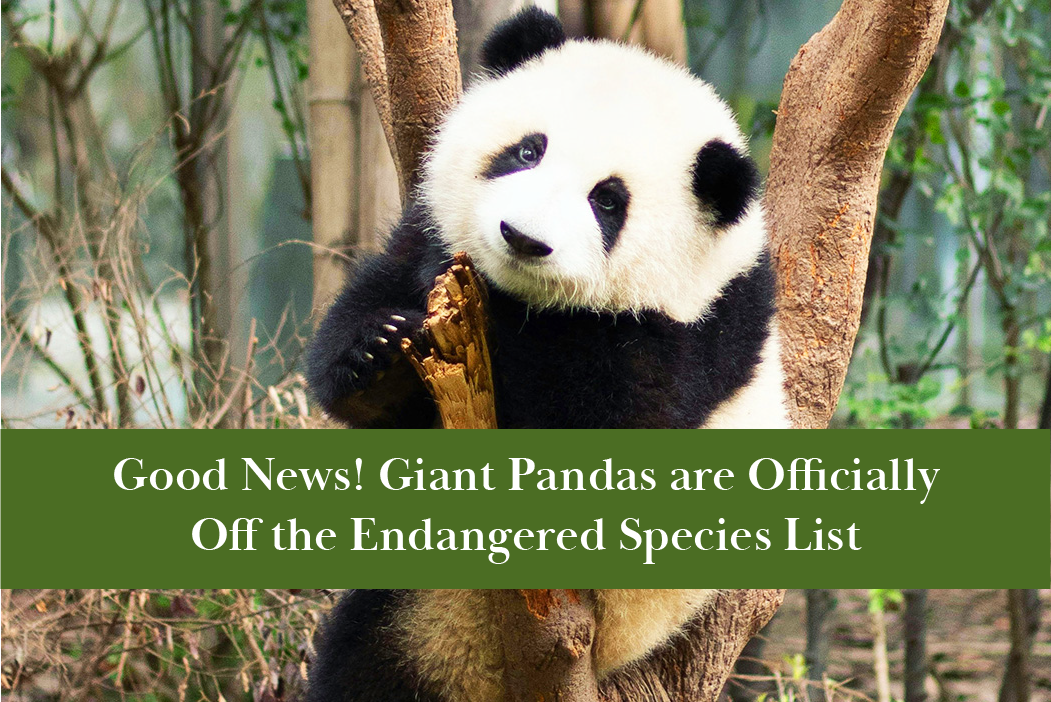
Giant pandas loom large in our collective imagination. They look like huge teddy bears with their big, soft faces and sad-looking dark eyes. Their round, jolly bodies make them look like the gentlest bears in the world: perfect for hugging. But pandas are actually quite solitary, and live in only a few, mountainous regions of rural China. Until September of 2025, the giant panda was one of the most recognizable animals on the endangered species list. But the Chinese government has invested strongly in improving the panda population. Today, they’re no longer on the endangered species list!
Like the bald eagle in America, pandas are a national symbol of China. They symbolize Chinese culture and peace. In fact, they’re often referred to as one of China’s national treasures. So when panda populations became endangered, the Chinese government committed to reviving them.
Solitude and Habitat
Giant pandas prefer to avoid both people, and each other, as much as possible, and live primarily off of bamboo shoots. This tendency towards solitude is one of the reasons why they ended up on the endangered list in the first place. With only a few habitats available to them, and a preference for no near neighbors, giant pandas were struggling to thrive as towns, railways, roads, and dams encroached on their homes.
These gentle giants used to live in lowland habitats as well as in the highlands of rural China, but faming and deforestation, as well as new roads and railways, drove them further and further up into the mountains. But pandas are territorial animals. Females in particular, don’t believe that “it takes a village” to thrive. In fact, they’re determined to avoid sharing space with other females. Only during mating season do adult pandas willingly interact with each other.
As such, their shrinking habitat made it harder and harder for adult pandas to settle down and get on with the business of living. They need to eat huge quantities of bamboo shoots and leaves to maintain their daily calories. In fact, the average panda eats twenty to thirty pounds of bamboo per day. While they can also supplement their diets with meat, eggs, and fish, they need plenty of bamboo on a consistent basis.
Unfortunately, farming and development limit their access to bamboo, as well as driving them away from the noise and crowding. In this busy, modern world, pandas struggled to find a place for themselves.
Hunting Pandas Reduced Wild Populations Significantly
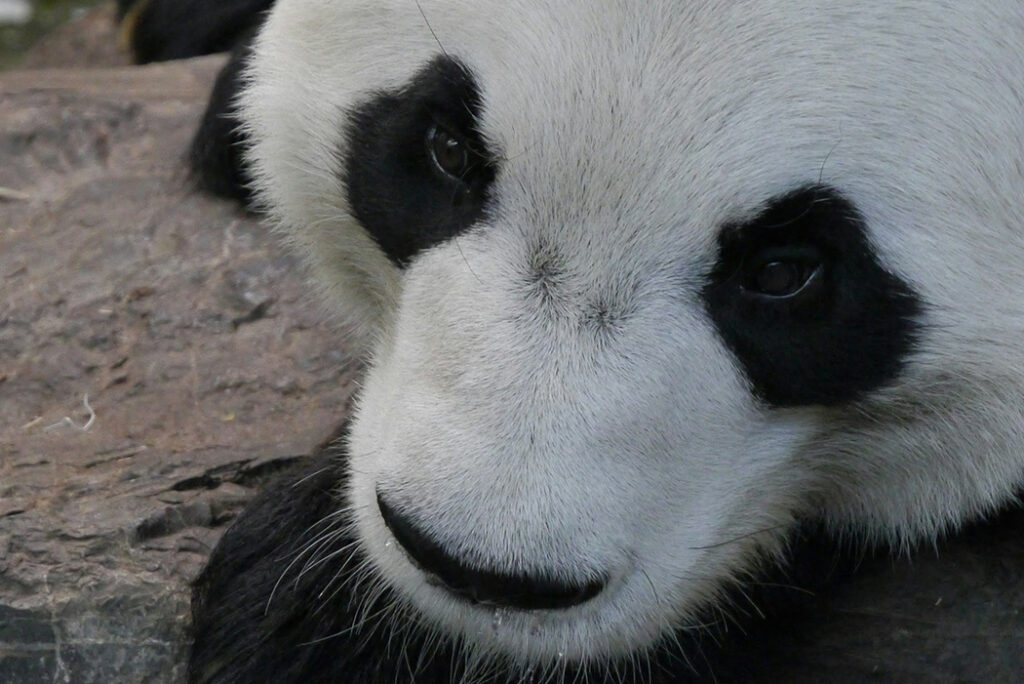
Until 1988, hunting was also a major contributor to the panda’s decline. It’s hard to imagine anyone wanting to kill one of these beautiful animals. Pandas rarely act aggressively towards humans, and prefer to avoid conflict whenever possible. They’re also just so cuddly looking. But for many years, hunting caused a lot of damage to panda populations.
Pandas were hunted for the thick, warm coats, for their meat, and for body parts that could be sold on the black market. They were also hunted as trophies. In fact, two of Teddy Roosevelt’s sons took a hunting trip to China in the 1920s to kill a giant panda. They spent months in the mountains, and brought back the dead panda to display — stuffed — at the Field Museum in Chicago.
The panda they shot is still on display at the museum, but their encounter with the giant panda changed the men’s attitude toward trophy hunting, and pandas in particular. As such, the real danger to pandas from hunting came about accidentally.
When big game hunters in China set traps for other large animals, they often caught pandas instead. Pandas are curious, and they often ended up wrapped up in nets set for wild pigs. These animals are also often victims of illegal poaching by farmers who are trying protect their crops from the lumbering bears. Now, killing a panda can carry up to a life sentence in prison.
Related Article: Operation Thunder 2025 – 30,000 Animals Saved in the Largest Animal Trafficking Raid in History
Back from the Brink
At their lowest, giant pandas numbered at only about 1000 animals worldwide. But serious and consistent work on the part of the Chinese government and animal conservation groups has brought about some exciting improvements.
Today, there are approximately 1864 pandas living in the wild, and over 600 living in zoos and breeding centers. Habitat creation is the biggest part of this improvement. The Giant Panda National Park consists of over 4 million acres of protected habitat, allowing these beautiful, solitary animals to build their homes in peace. The park also connects previously fragmented habitats, making it easier for pandas to find each other during mating season.
The Chinese government has also created over 50 other nature reserves and planted bamboo corridors to help connect scattered panda populations. These protected habitats, along with incredibly strict anti-poaching laws, are doing wonders to help this beautiful species thrive.
Captive Breeding Programs for Pandas
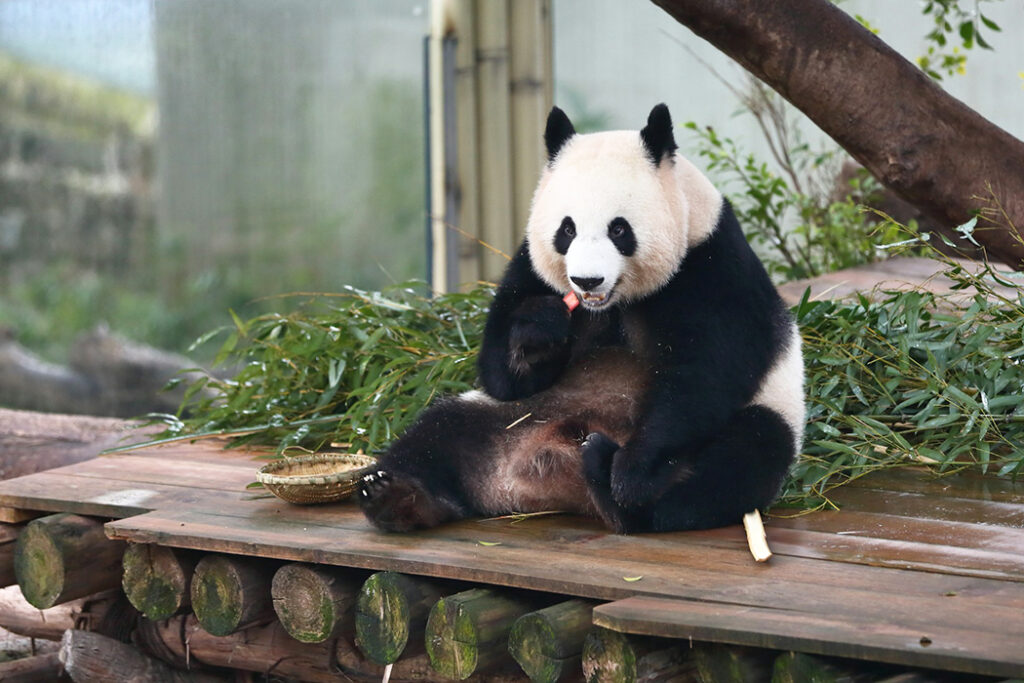
Along with habitat protection and renewal, the captive breeding project has helped their numbers exponentially. Giant pandas born in breeding centers are carefully reintroduced into the wild. These reintroduced animals boost the genetic diversity of the wild population, making it healthier and more self-sufficient.
In captive panda populations, there is no inbreeding, which often happens in wild populations. Isolated, wild panda populations are especially at risk of inbreeding. So, by introducing a completely unrelated panda into a previously isolated area, there’s often an increase of strong, healthy young offspring.
Related Article: New Animal Welfare Laws are Improving the Lives of Non-Human Beings Worldwide
Continuing Improvement
These beautiful animals aren’t out of risk quite yet. While their numbers are growing and China is doing its best to prioritize them, improvement is slow. Pandas reproduce infrequently, with the mother raising only one cub at a time. There is usually about two years between births, and young pandas are at risk from predator attacks, sickness, and lack of food.
Because of this slow reproduction, giant panda populations grow slowly as well. It takes a long time to see results, but China — and the world — hopes that the future is bright for these beautiful animals.