
Countries around the globe are recognizing that our animal friends deserve not just shelter and food, but love, affection, safety, and protection, and they are encoding this belief into law. The American Society for the Prevention of Cruelty to Animals (ASPCA), the Royal Society for the Prevention of Cruelty to Animals (RSPCA), the Humane Society International, the Association for Animal Welfare Advancement, and more have been fighting to provide a better life to the animals in our lives.
Examples of Animal Welfare Changes
Take France. The country recently passed a historic law that makes abandoning a pet punishable by up to three years in prison. It also carries a fine that can reach tens of thousands of dollars. France sees over 100,000 pets abandoned each year, leaving innocent creatures that we have chosen to share our lives with traumatized and terrorized. Shelters in the country have been overwhelmed by the number of animals landing in their care.
France’s law will ensure that fewer animals are left behind. It will require all animals to be registered so they can be tracked. If a dog is found abandoned, the owner will be held accountable.
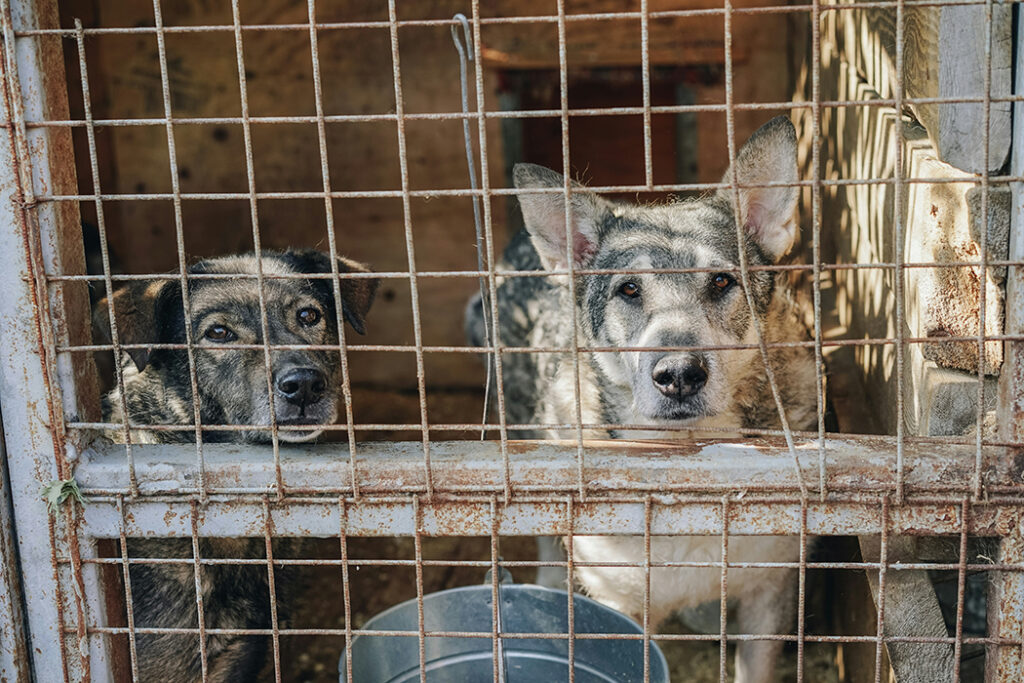
In Poland, animal welfare groups are celebrating a new law that prohibits chaining or tethering a dog. The exceptions are in temporary situations such as walking, veterinary visits, transport, and the like.
The new law also clearly defines outdoor shelter requirements. In particular, it defines sizes and cover to ensure the comfort of the dogs living within the structures.
Sweden has taken things a step further. Laws there mandate that a dog shouldn’t be left alone for more than six hours at a time. Additionally, cats should be checked in on at least twice a day; more often if the feline is sick or young. Don’t assume that if you have a barn cat hunting mice in the stalls of your barn that you are off the hook. This “twice a day” rule applies to outdoor cats, as well.
Related Article: Operation Thunder 2025 – 30,000 Animals Saved in the Largest Animal Trafficking Raid in History
Penalties for Breaking These Laws
Violating the laws can result in a stay in jail that can be up to four years long. If your violation is particularly egregious, the country will even ban you from owning pets in the future.
In the United States, there’s encouraging news for animal welfare across the country. For example, in California, it’s now illegal to declaw cats unless medically necessary. This ends a practice that critics have fought against for years. Additionally, in Florida, a new law makes it illegal to abandon or chain up animals during a natural disaster.
The federal government is also getting involved to make country-wide change. The US Department of Agriculture (USDA), Department of Justice (DOJ), Department of Home Security (DHS), and Department of Health and Human Services (HHS), teamed up to announce that chronic dog welfare violators will be held accountable in a way that the country has never seen before.
Chronic violators such as those who breed dogs for fighting, or so-called “backyard breeders” who churn out puppies without care for their long-term health, will be prosecuted to the fullest extent of the law.
Meanwhile, in Ontario, Canada, the country’s first law banning experiments on dogs and cats is expected to hit the books this year.
All of these laws reflect the growing belief that pets deserve more protection than they have been given. As long as humans choose to keep animals, whether as pets, livestock, or entertainment, these laws make it clear that humans have a responsibility to prevent suffering.
Related Article: Let’s Prioritize Recognizing Plants and Animals over Brand Logos
The World is Recognizing Animals as Sovereign, Sentient Beings at Last
It is well known that animals can suffer at the hands of humans if they aren’t given the space, care, food, and attention that they require to be healthy. This can include the more egregious violations, many of which are already prohibited by law. But these new laws cover the subtle ways that animals can be harmed
Dogs, for example, are known to experience anxiety and PTSD after being abandoned by their people. That’s in part because they develop a strong bond with the humans that they see as their pack. After all, they rely entirely upon them for safety, food, and shelter.
They can even experience stress when they are left alone for too long, such as when their people are away at work all day.
Actions Being Taken to Stop Animal Cruelty and Exploitation
But it’s not just domesticated pets that are gaining unprecedented levels of protection. As marine parks shutter across Europe, Italy is opening up the world’s first sanctuary for dolphins that have lived in captivity.
If all goes according to plan, the sanctuary will open in Taranto, Italy, in the summer of this year. Cetaceans can’t be released into the wild after they are released from captivity. The sanctuary will offer a sheltered, safe place for these beautiful creatures. Additionally, there will be a floating laboratory, veterinary care, video surveillance, and sensors that communicate water conditions to caretakers.
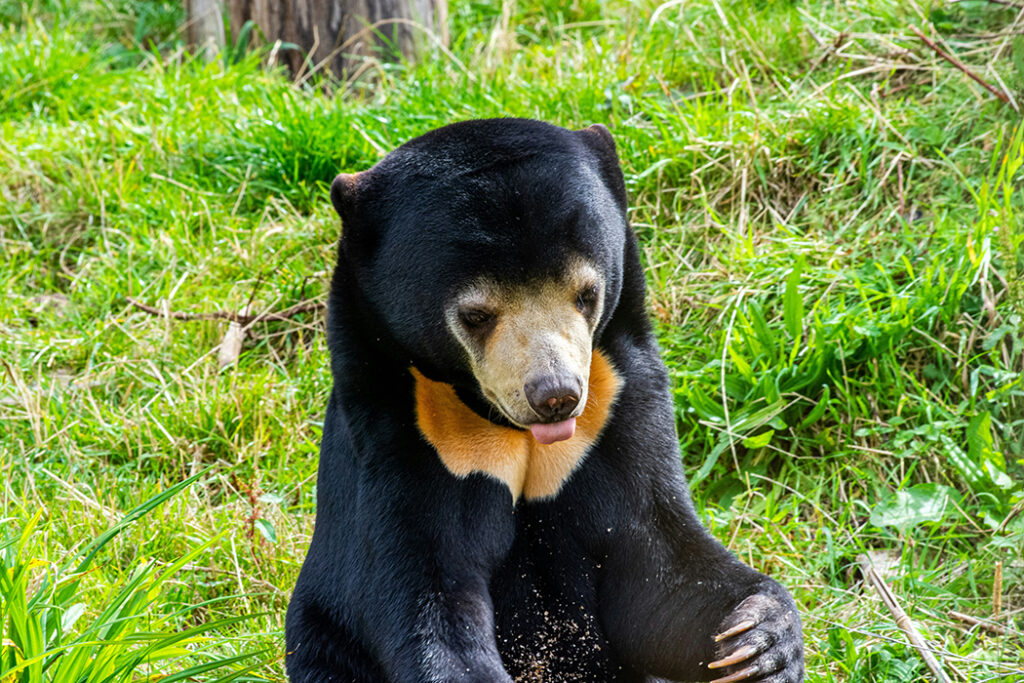
In South Korea, the bear bile industry is being dismantled. The practice involves breeding and keeping moon bears in a small cages to extract bile from their gallbladders to sell on the market. Bears live their lives in these cages, subjected to painful and invasive procedures for their entire lives.
Animal welfare groups are celebrating the end of the practice after years of fighting against it. The existing bears in captivity will finally be taken to sanctuaries. There, they can live out their lives peacefully in a cleaner, safer, and more natural environment.
Featured image by Markus Winkler, via Unsplash