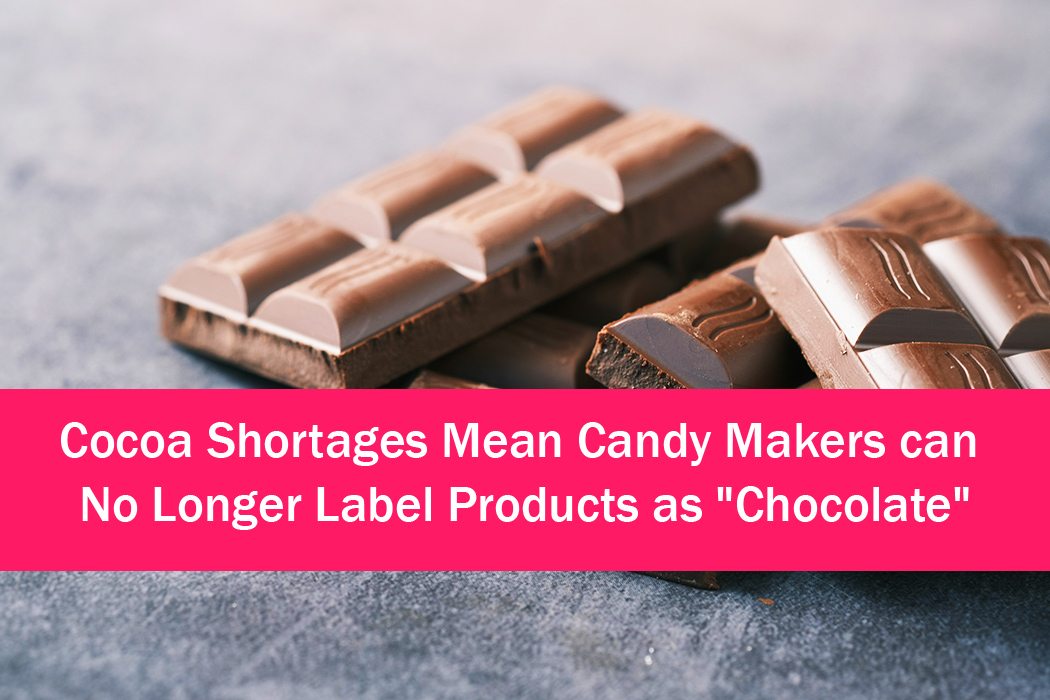
When I was a child, my dad would fly to England for business meetings a few times each year. Whenever he came home, he brought British chocolates to share. Not fancy European chocolates, just Kit Kats and other familiar candy bars. But they always tasted so much better than their American counterparts. There was something richer, smoother, and more flavorful about those British chocolate bars. Years later, I learned why.
European chocolate is required to contain at least 20 percent cocoa solids to earn the label “chocolate”. In America, chocolate products only need to contain 10 percent cocoa solids. That means that even the same brands of candy will taste very different in different countries.
However, due to recent cocoa shortages, even British candy makers are wondering it it’s worth holding on to the chocolate label. In both Britain and America, the recent and persisted cocoa shortages have made labelling chocolate candy difficult.
Wait, What Cocoa Shortage?
In 2024 and 2025, cocoa production got a punch in the gut from changing climate conditions and crop disease. Candy makers, who had been struggling for a while to make cheap snacks with increasingly expensive ingredients, began increasing the level of filler ingredients in their products.
As a result, cheap fillers like palm oil, vegetable oils, and “flavor enhancers”, which already made up an appreciable percentage of candy-bar chocolate, are creeping up. Cocoa levels are slipping down, and labelling is becoming a problem.
Related Article: Good News for Chocolate Lovers! Cocoa Extracts Show Startling Anti-Aging Potential
Climate Impacts
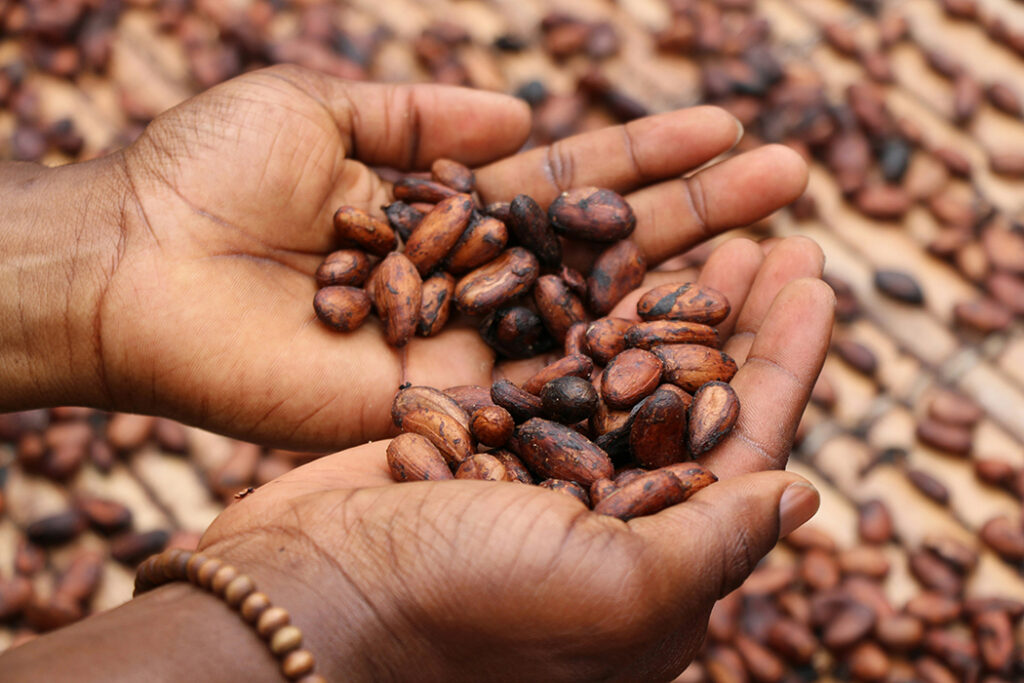
While we see higher prices in stores, cocoa farmers are seeing the impacts of shifting weather patterns first-hand. Areas where cocoa trees thrive — along the equator, in hot, tropical climates — are experiences painful climate shifts. Fires, droughts, floods, and extreme heat combine to make growing cocoa more challenging than ever. These extreme and unpredictable weather patterns also make the stressed trees more vulnerable to disease.
Over three quarters of cocoa beans come from countries that are climate-vulnerable. So as the climate shifts, cocoa production will continue to be impacted to a higher degree than many other crops. In fact, some areas in West Africa that have been idea for cocoa production for generations may become unsuitable for cocoa production in the next 30 years.
Production Flaws
The cocoa shortage in 2024 and 2025 began because of these climate changes, and continued because most of the cocoa industry relies on non-fair trade cocoa. Furthermore, cocoa growers are often under-paid and under-represented. When crop failures happen, they have no resources to fall back on and often can’t recover in time to prepare for next year’s harvest.
They also don’t have the resources to invest in improving their farms or adapt to changing weather patterns. In other words, the pursuit of cheap chocolate is directly harming the future of chocolate itself.
Candy Changes
All of these wild weather shifts have had a drastic impact on the price of cocoa. Cocoa prices jumped 400 percent in 2024 and are continuing to creep upward. Now, candy makers are rethinking just how important chocolate is to their recipes.
Chocolate is one of the only “standardized foods” in the candy market. Most candies don’t have to have a certain percentage of any ingredient to include that ingredient on the label. But, with chocolate, a minimum of 10 percent (in America) cocoa is required to say that a candy is chocolate. So, the “chocolate coating” on a candy bar has to be only 10% cocoa to earn that moniker. If it has 8 percent cocoa, it can be called “chocolate-flavored”, but that’s it.
Candy makers have been trying to get away with more and more filler ingredients for years. And as cocoa prices rose, the idea of getting away with a little less cocoa became more and more tempting to them. So labels are changing a little in response.
You may start seeing “chocolate flavor” on labels that used to just say chocolate. Or the word chocolate may disappear altogether. That change means that the product no longer contains enough cocoa to earn the label at all.
Products No Longer Listed as “Chocolate”
This is a list of the chocolate bars and other candies that can no longer be legally labeled as “chocolate”:
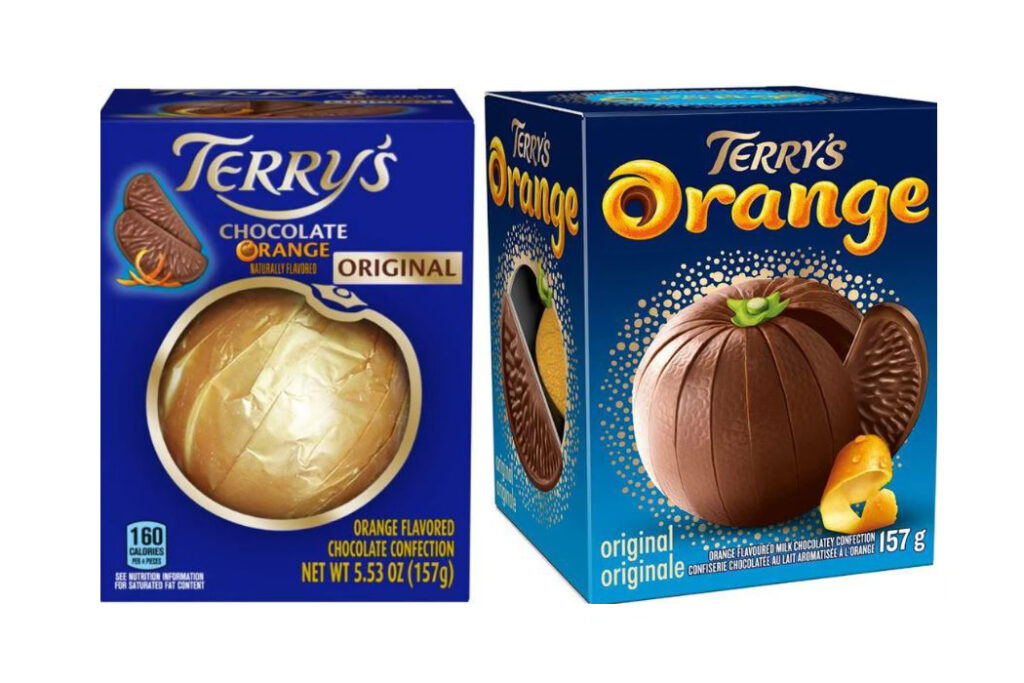
- Carambar & Co Terry’s Chocolate Orange (UK): now just “Terry’s Orange”
- Hershey Almond Joy (USA)
- Hershey Mr. Goodbar (USA)
- McVitie’s Penguin bars (UK)
- McVitie’s Club bars (UK)
- McVitie’s White Chocolate Digestives (UK)
- Nestlé Toffee Crisp (UK)
- Nestlé Blue Riband (UK)
- Nestlé White Chocolate KitKat (UK)
Cocoa Alternatives
The rising costs and environmental concerns surrounding cocoa have inspired some companies to attempt alt-cocoa products. For example, the California-based start up company Voyage Foods is making a faux chocolate from blended vegetable oils, sugar, and sunflower protein. Planet A Foods has also marketed ChoViva, made from fermented sunflower and grape seeds.
Others are attempting imitation chocolates made from fava beans or carob. The chemically minded are attempting to grow “bio-identical cocoa” in a lab. One company is attempting to produce cocoa butter, while another claims to be producing a whole range of lab grown cocoa powders.
Like the Alt-meat market, alt-cocoa has a lot of hurdles in its way. Regulatory approval for human consumption is a long way off. The cost of production is currently as high or higher than real cocoa costs, and enthusiasm for GMO chocolate just might not be in the market. It’s hard to say right now whether alternative cocoas will ever be a part of the chocolate world.
Related Article: Global Food and Water Shortages are Imminent, Experts Warn
Responsible Chocolate Making
Right now, if you want to enjoy real, chocolatey chocolate, you’re better off in the hands of small, fair-trade chocolate makers. They cost a little more than your average Snickers bar, but there’s a lot more chocolate per bite as well. Try the Endangered Species chocolate bars or Equal Exchange if you’re looking for a quick treat at the grocery store. Or, if you’re in Canada, check out the amazing products that ChocoSol creates.
These brands not only pay their farmers a living wage, but work with them to improve the sustainability of the cocoa industry. Branch out in your cocoa consumption. Remember, chocolate was once a luxury, reserved for special occasions. Let’s try to treat it as something a little more precious and pick out our chocolate treats with care.
Instead of spending a couple bucks on a little bit of cocoa and a whole lot of fillers (many of which come with their own environmental price tag), try spending a tiny bit more on a bar with more cocoa, no fillers, and a positive impact on our world
Featured image by Towfiqu barbhuiya on Unsplash