Farmers and food suppliers worldwide have been warning friends and family members about imminent food shortages. Even without their input, citizens are seeing very real changes at the supermarket. Grocery costs have nearly tripled in the past few years, and supplies have dwindled. Word is that people will be truly shocked when they see bare grocery store shelves over the next few months.
If there are foods that you’d really like during the holidays, stock up on them as soon as possible.
The Era of Diverse, Affordable Food is Coming to an End
The Silk Road was one of the most important trade routes of the ancient world. Europeans who spent centuries only seasoning their foods with onions, dill, parsley, and other simple herbs suddenly had access to cinnamon, cloves, ginger, and most importantly, pepper. These spices were so important to people that they were used as currency, worth far more than gold.
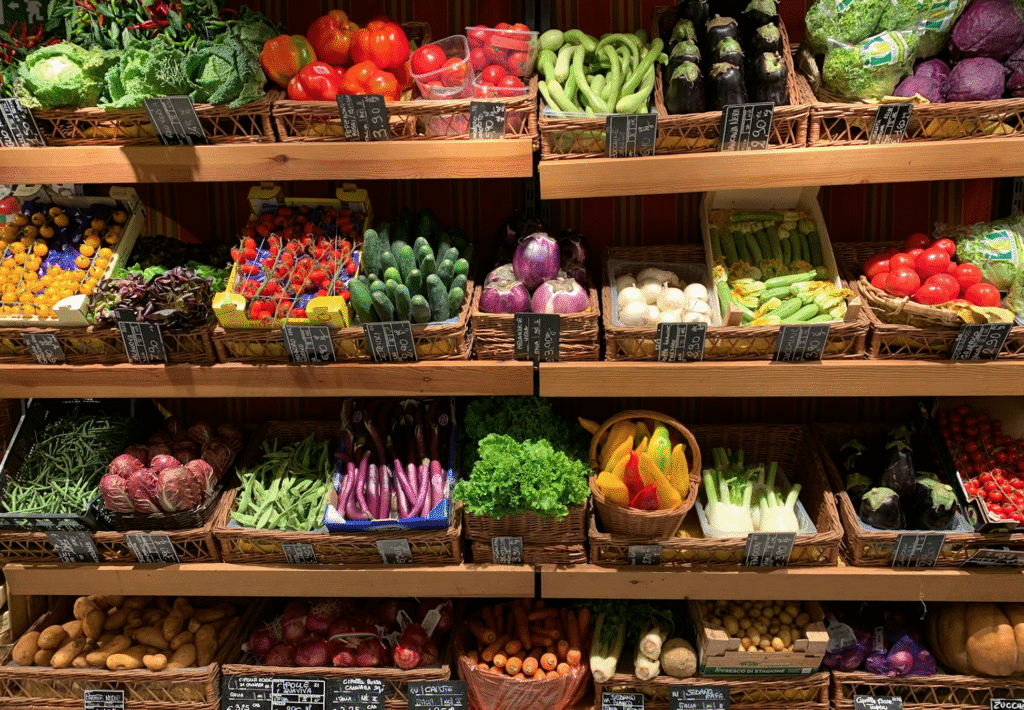
Global trade of various foodstuffs has continued ever since. It’s why coffee is enjoyed in every country on Earth, and you’ll find pepper on restaurant tables worldwide. North Americans and Europeans can enjoy strawberries and lemons in February, people in Dubai can have smoked salmon on their breakfast tables, and just about everyone eats potatoes.
The problem with these diverse foods is that they need to be shipped in order to make their way to your table. Shipping requires fuel, and that is in shorter supply than ever these days. The strait of Hormuz is shut, and Saudi Arabia has cancelled oil shipments to Europe. When fuel becomes too expensive, businesses cut back on shipping products.
What this means is that the imported items that currently cost around $8 at the grocery store may suddenly cost $30 overnight. Prices will keep skyrocketing, and fewer items will be available on supermarket shelves very soon.
Related Article: This Year’s Record-Breaking “Super El Niño” Weather Event May be Devastating
Homegrown Items Take Precedence
A lot of crops that weren’t available before shipping routes were established in the 15th century are now grown worldwide. Gardeners in Germany, Wyoming, and Korea have hot peppers growing in their yards. Tomatoes are almost ubiquitous in gardens worldwide, especially in hydroponic growing labs.
That said, not all things can be grown in all places. The lemon tree I have growing in my living room has never borne fruit, as this growing zone doesn’t offer enough heat or light for it to do so. Food plants that thrive the best here are those that are indigenous to this region. Next in line are those that grow in similar agricultural zones worldwide.
As a result, the food choices that will be most abundant in the near future are those that can be grown near home. This means that people in the northern hemisphere may not have access to their favorite fruits and vegetables soon. Nor items derived from plants and trees in other areas. For example, people in Texas won’t be able to get raspberries, Honeycrisp apples, or maple syrup. Similarly, folks in Vermont may lose access to fresh citrus fruits and melons.
That goes for various spices as well.
Do some research to determine what grows within 100 miles of your home. That list will give you an idea of what your diet may be like in the near future.
Related Article: China is Prioritizing Food Security, and We Should Too
This is the Easiest that Things will Be for a Long Time
The northern hemisphere has just experienced the hottest summer in recorded history. It will likely be the coolest summer that we will experience in our lifetimes. Similarly, the high cost of food and gas we’re seeing now will likely be the lowest we’ll see for years. Possibly decades.
If you have favorite holiday foods that you’re looking forward to, get them while they’re still available. Stock up on coffee, chocolate, spices, and everything else that isn’t grown or produced locally.
This isn’t meant to be alarmist, nor is it fearmongering. It’s merely a suggestion to take advantage of things that are available, while they are still around. It’s very likely that the diet you’ve gotten used to over the years will change drastically soon, and be much more expensive than you’ve grown accustomed to.
Buy your favorite items, and stock up on seeds that will thrive in your area. It’s better to be prepared than be caught unawares.
Featured Photo by Thought Catalog on Unsplash