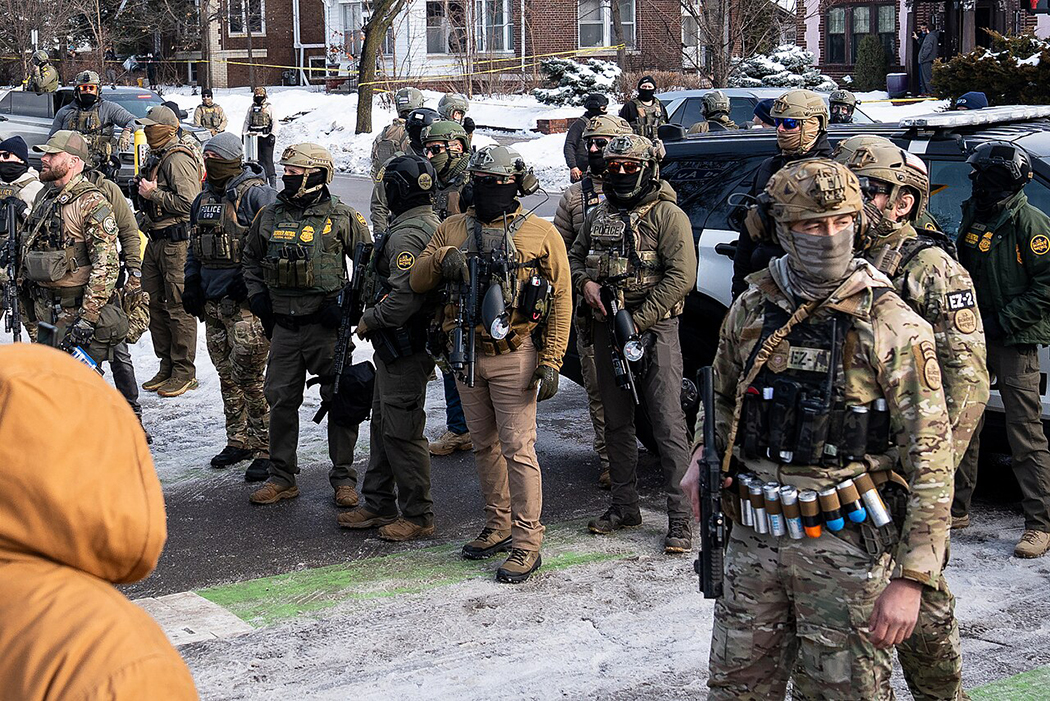
Back in February, we were hearing updates about ICE activity almost every day. From shootings in Minnesota to raids in southern Maine, the news was full of heartbreak and uncertainty. But now, the news is still full of heartbreak and uncertainty, but we’re not getting any information about activity in and around our communities. When I talk to friends affected by detainments, their information has changed from “I saw them in our neighborhood yesterday” to “we just don’t know”. And not knowing is often harder than knowing.
Uncertainty is everywhere. With wars, economic challenges — are we allowed to call it a recession yet? — and political embarrassments bombarding us daily, it can be easy to forget yesterday’s news. But ICE hasn’t retired: they’re still out working. So where are they and what are they doing this spring?
Immigration and Customs Enforcement
ICE stands for the U.S Immigration and Customs Enforcement. It’s a sub-department of the US Department of Homeland Security that focuses primarily on detaining and deporting people who are in the country illegally. According to ICE, they focus their deportments primarily on undocumented violent criminals living in the United States.
On its website, ICE emphasizes that the people being arrested and detained are “the worst of the worst”. They offer names of people arrested who have ties to child abuse, human trafficking, and drug running. “Despite the incessant lies from the liberal media, ICE is NOT slowing down. Just yesterday, they arrested gang members, attempted murderers, multiple pedophiles, stalkers, and drug traffickers,” said Acting Assistant Secretary Lauren Bis.
The ICE website includes a tip line for people to submit information on “suspicious individuals” and assures everyone who interacts with ICE that they will be protected from discrimination.
Lauren Bis continues: “Since Day One, DHS law enforcement has been delivering on President Trump’s promise to the America safe again. Nearly 70 percent of ICE arrests are of illegal aliens charged or convicted of a crime in the U.S. More than 3 million illegal aliens are out of the country and counting.”
Related Article: U.S. Border Guards Demanded DNA Test from Retired Canadian Nuclear Health Physicist
Criminal vs. Civil Detainees
CBS News, however, claims that the number of detainees has declined significantly, with fewer non-criminal detainees now than in January. All detainees are charged with civil violations such as crossing the border illegally or over-staying a visa. In January, at the peak of ICE arrests, non-criminal detainees were the fasting-growing group of ICE detainees. In comparison, criminal detainees, with either current, open charges or prior convictions, remained relatively stable.
Non-criminal detainees are still the largest group in ICE detention. But the rate of arrests has dropped significantly since late winter. Overall, ICE detainments have dropped, meaning that they’re arresting fewer people overall. But, while criminal detainments have only dropped by about 5 percent, civil detainments have dropped by over 25 percent.
ICE is less active now than they were in January. And it seems like they’re focusing more on violent criminals, and less on the undocumented guy next door.
A New Approach for ICE?
After Operation Metro Surge, the ICE operation in Minneapolis, Minnasota were two U.S. citizens were killed by ICE agents, the organization decide to refocus. Even President Trump stated that the operation needed a “softer touch”. Both the organization’s commander, Gregory Bovino, and the DHS Secretary Kristi Noem, were removed and replaced.
ICE has also stated that it will be using warrants before entering homes and businesses now. Previously, a whistleblower revealed that the group had authorized its agents to forcibly enter homes and businesses without them.
But it’s hard to trust a government agency that’s chosen to deviate so flagrantly form longstanding police policy to make an honest shift back to responsibility and respect. It’s too early to tell whether ICE is merely using these policy shifts to display a “softer touch”, or whether they’re actually improving as an organization. The truth is, as long as this organization is closely associated with an administration that continues to display a disregard for human dignity, they will remain untrustworthy.
So, Where Are They?
Based on recent arrests and ICE’s own self-reporting, ICE agents are focusing on border states and cities along the coasts. Most arrests seem to cluster around California, Florida, Texas, and all along the east coast. But, ICE is still very active in Minnesota, Illinois, Indiana, and Michigan.
During the partial government shutdown, when TSA agents weren’t getting paid, some ICE agents were present in airports to “assist with staffing shortages”. With TSA agents now being paid again, ICE agents are moving away from their support position in the airports.
It’s important to note that there are also ICE offices in five Canadian cities, namely Calgary, Montreal, Ottawa, Toronto, and Vancouver. Their primary focus deals with trans-border offenses, and officers aren’t permitted to carry weapons or make arrests.
ICE Detainment Camps
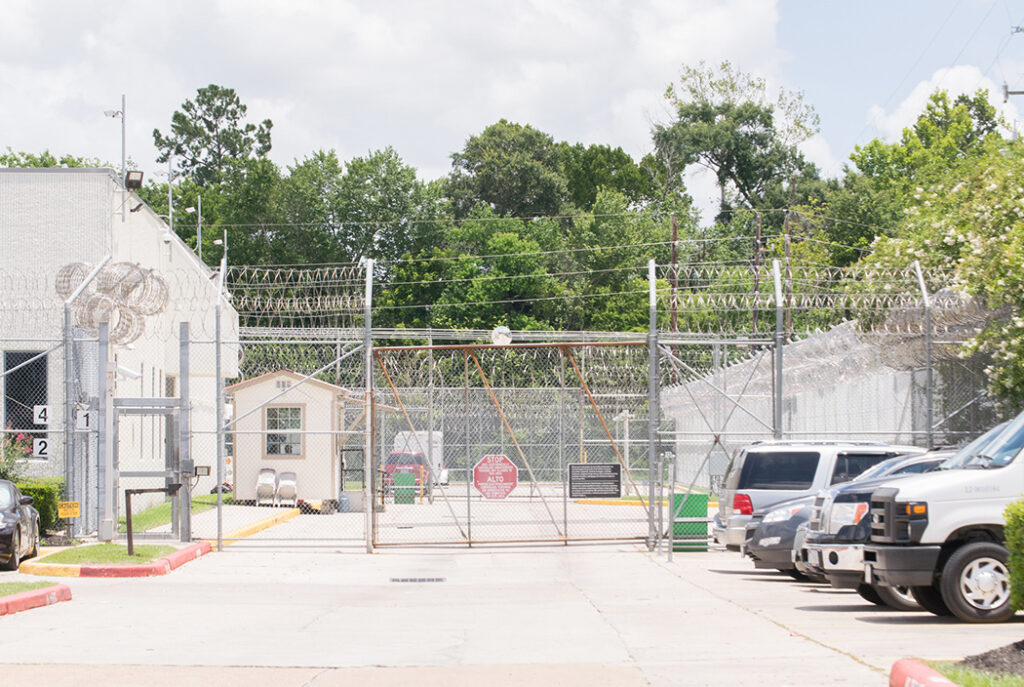
The detainment camps set up by ICE are for immigrants preparing for deportation. Those camps fared terribly under scrutiny, with government visitors referring to them as “inhumane and unnecessary”. Detainees report abuse, unhealthy conditions, and overcrowding. A February review of one camp in Texas by ICE itself reported 22 deficiencies. The infamous Alligator Alcatraz in southern Florida is still in operation as well.
In early April, 2026, Congresswoman Debbie Wasserman-Schultz visited Alligator Alcatraz and expressed her horror at the conditions. While about half of Americans are opposed to this detainment camps, the other half are supportive, claiming that the camps are necessary to process the huge numbers of undocumented immigrants awaiting deportation.
Less Limelight, Fewer Arrests
Overall, ICE has reduced its activity for the time being. The initial push to deport a million migrants each year seems to have fizzled out a little. But, ICE still detained over 25,000 people in March of 2026. As of early April, they have over 60,000 people in holding. Not all of those people will be deported, but most of them will.
While rates of arrests have dipped, and ICE operations are less newsworthy, they’re still out and about in cities across the United States. We can only hope that their softer policy also softens their hearts and keeps the agents focused on criminal, rather than civil violations.
Featured image by Chad Davis, via Wikimedia Commons