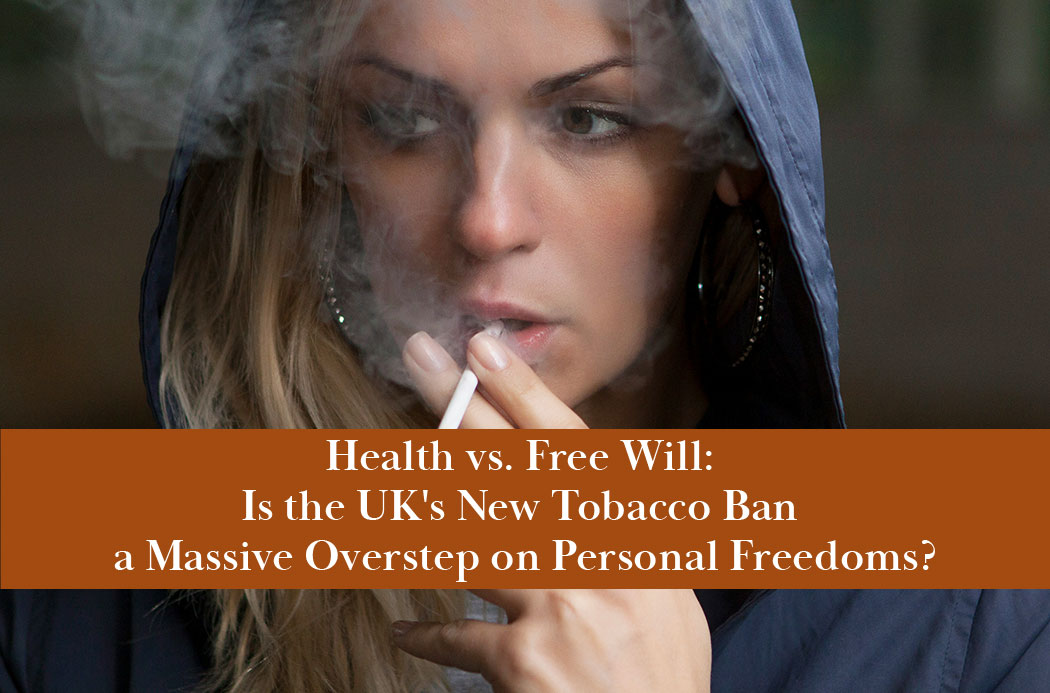
The UK recently passed a ban on tobacco, preventing anyone born after January 1st, 2009, from purchasing products containing it. This bill came about as an attempt to create a “smoke-free generation”, with the hope of limiting or eliminating tobacco-related deaths. While this seems like a noble effort for a healthier population, critics are raising concerns about autonomy and freedom of personal choice.
The Tobacco and Vapes Act
This bill was passed in the hope of keeping future generations safe from the harms of smoking. It will prevent anyone born after 2008 from buying any tobacco products with a rolling restriction. This means that instead of an established legal age, the legal age to purchase tobacco will be raised annually. As a result, nobody born in 2009 or later will ever be able to buy products containing nicotine.
The goal here is to eliminate smoking in the country entirely over the course of the next two generations.
In addition to preventing young people from purchasing tobacco, it also expands areas where smoking is banned. For example, vaping will be illegal in cars carrying children. Similarly, there will only be small vaping areas available outside hospitals and businesses to support those in the process of quitting.
Sarah Sleet is the chief executive of Asthma and Lung UK. She is delighted to see this bill passed, and claimed that it will “transform the nation’s health” by preventing the tobacco industry from wreaking havoc on future generations.
Related Article: Scientists Develop Cancer-Destroying Bacteria That Annihilate Tumors from Within
“Future Generations will be Saved!”
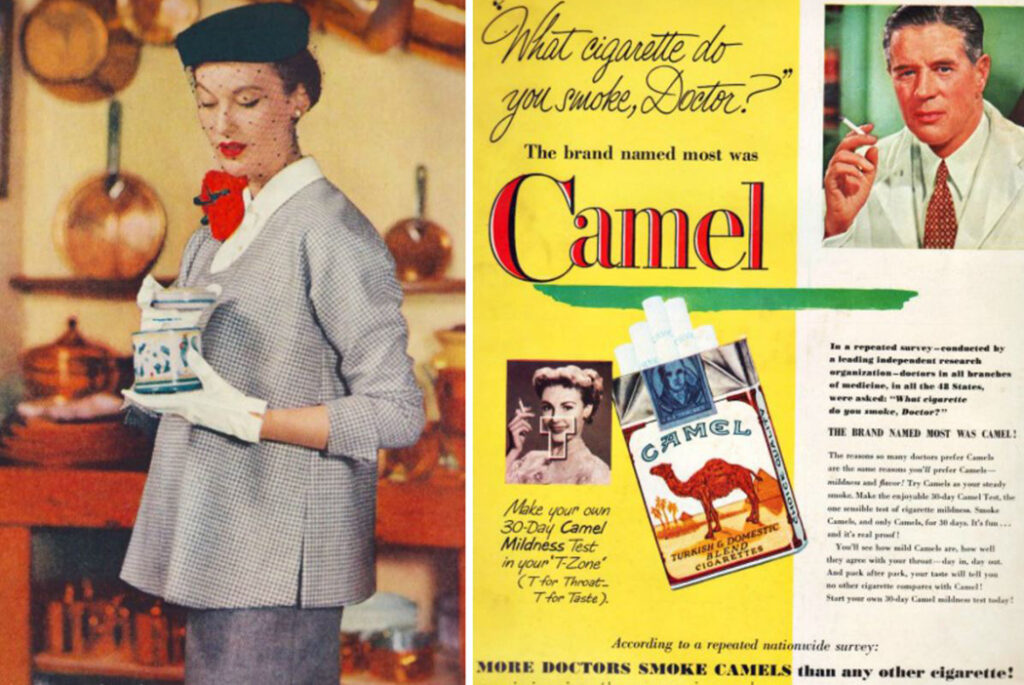
Perspectives on tobacco use have certainly changed over the past 100 years. In the 1940s and 50s, for example, doctors recommended that pregnant women smoke cigarettes to prevent weight gain. It wasn’t until 1964 that the U.S. Surgeon General established that smoking caused respiratory diseases and cancer.
That said, it was only in the 1970s and 80s that women were actively encouraged to stop smoking during pregnancy. Cigarette advertising was banned on TV after 1971, though print advertisements persevered until 1988. Since the late 1990s, tobacco products have had warning labels on them, and have been hidden from display in retail environments. The goal for these measures was to make tobacco products less appealing, especially to younger people.
This bill aims to go a step further than dissuading them by banning them from buying tobacco at all.
Michelle Mitchell, Cancer Research UK’s Chief Executive Officer, said:
“This is a truly historic achievement that will help to save and improve lives. With the new law in place, we are moving towards a future where children will grow up shielded from the lifelong harms of tobacco. It will mean more people living a life free from the grip of deadly addiction, fewer people facing a cancer diagnosis and less pressure on an already over stretched health service.
Today’s milestone is the result of decades of research, overwhelming support in Parliament, tireless campaigning and backing from people whose lives have been devastated by smoking. Governments across the UK must now ensure the act is implemented fully in every nation, alongside support to help people quit smoking. A future free from the lethal harms of tobacco is firmly within reach.”
While this may be true, what other actions may be taken to “save” future generations from themselves?
What Precedent does This Bill Set?
Ostensibly, this bill seeks to reduce — or even prevent — smoking-related illnesses and deaths. Currently, approximately 76,000 people die of these illnesses across the UK annually. While it’s honorable for the government to wish better health and fewer nicotine-related deaths for its citizens, this bill may set a dangerous precedent as far as government overreach and control are concerned.
It’s true that smoking and vaping are major contributing factors to avoidable death. Of course, many other deaths are avoidable as well.
For example, nearly 60,000 people die of ischemic heart disease in the UK every year. This is caused by plaque buildup in the coronary arteries. Additionally, 32,000 people die of specific obesity-related illnesses. In fact, according to the World Health Organization (WHO), diabetes is one of the top 10 causes of death worldwide.
If the government is so concerned about preventing avoidable deaths, will they be banning people from eating foods high in sugars, cholesterol, and saturated fats next? And will they be mandated to exercise more? Now consider that 10,473 people perish annually in the UK due to alcohol-specific death such as alcoholic liver disease and cirrhosis. Similarly, countless physical assaults and domestic abuse situations (including spousal homicide) are directly related to alcohol abuse.
Will the UK government ban alcohol in order to prevent these unnecessary illnesses and abuses as well? Similarly, since social media use has been proven to be as addictive as smoking, will that be banned to keep people safe from themselves?
Related Article: Meta Appears to have Buried ‘Causal’ Evidence of Harmful Social Media Effects, Claims US Court
Tobacco-Free Society VS Autonomy

The thing about free will is that it grants humans the ability to make questionable (and even potentially damaging) life choices. Governing these choices so severely based on their age group may be a slippery slope towards greater authoritarianism.
As part of the Commonwealth of Nations, Canada shares many of its laws with the UK. Rob Cunningham, senior policy analyst with the Canadian Cancer Society, thinks that this ban is a great idea for Canada as well. “The idea is to target new generations and future generations and, over time, have a tobacco-free society”, he said.
Then we have Andrew Fenton: a philosophy professor at Dalhousie University, Nova Scotia, Canada. He specializes in applied ethics, and has raised concerns about liberty as it relates to smoking choices. Since Canada is considering a tobacco ban, Fenton spoke out about the importance of freedom of choice.
“It’s important in ethics, has been for centuries — it’s enshrined in our charter”, Fenton said.
The Nicotine Ban May be a Slippery Slope
One of the arguments for banning tobacco is that many people start smoking before their brains are fully developed. According to current medical professionals, this full development happens around age 25. If young people are being prevented from making potentially unhealthy choices r.e. addictive substances due to brain under-development, what does that say about other choices made before their mid 20s?
Will anyone below the age of 25 now be prevented from potentially ruining their lives by choosing the wrong career path? Or marrying the wrong person? Having children? If their brains are too under-developed to make informed decisions, could they be prevented from making potentially harmful, life-altering medical choices for themselves?
Additionally, if a priority of this bill is to ease pressure on the NHS, could eugenics be next? Could people who carry certain genetic markers be banned from procreating? After all, that would spare the healthcare system the burden of caring for those with complex health needs.
These are vitally important questions to ask as this bill becomes law, especially if other countries are following suit.
As Evelyn Beatrice Hall wrote in her biography of Voltaire: “I disapprove of what you say, but I will defend to the death your right to say it“. This quote was in reference to freedom of speech, but can be extended to personal decisions as well.
When it comes to freedom of personal choice, it’s important to analyze whether it’s ethical for potential benefits for individuals to be mandated by law, thereby superseding personal autonomy — even if the ban is “for their own good”.
Featured image by Stas Svechnikov on Unsplash