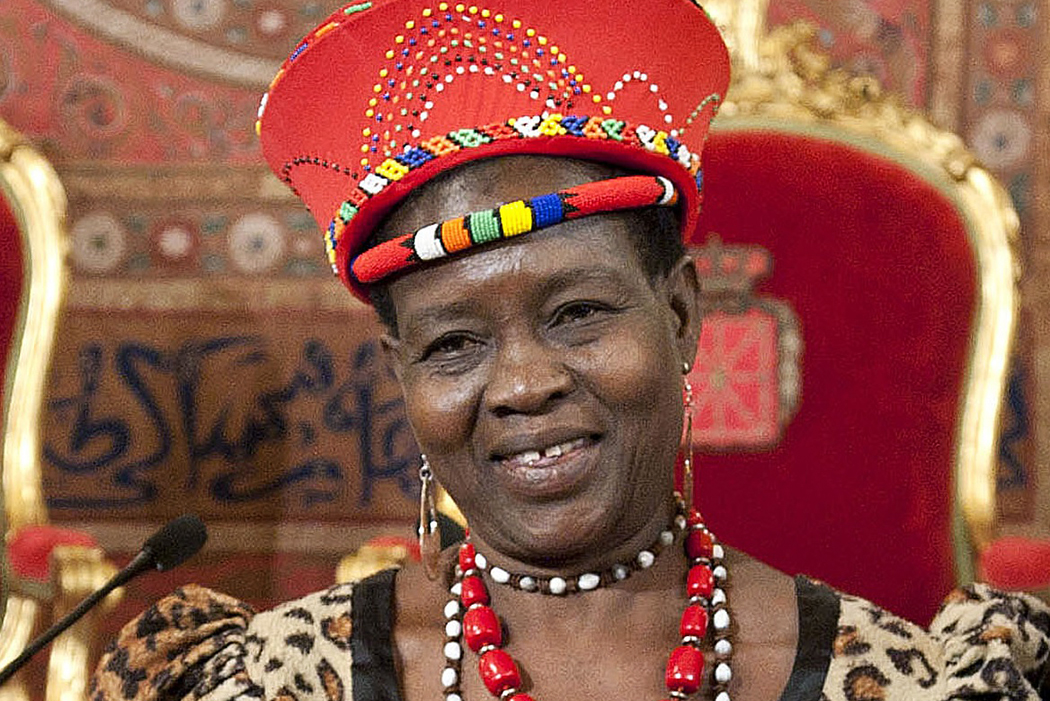
Theresa Kachindamoto, a member of the Ngoni dynastic family of Maseko Gomani people in Malawi, broke a lot of molds in her 66 years on planet earth. She became the first female Inkosi (chief) of the Dedza district, putting her in charge of nearly a million people. Even before that, she was educated and worked for 27 years as a secretary at a college in Zomba District, a real accomplishment in a country with one of the poorest and least educated populations in Africa. One of her greatest accomplishments, however is ending child marriage in that country.
Ancient Traditions are Difficult to Change in Malawi, Let Alone End
Ancient traditions in Malawi are held onto tightly, and chiefs are expected to honor and uphold them. Theresa Kachindamoto broke that expectation soon after taking office by championing the health, welfare, and potential futures of the children in her region by ending child marriages and harmful child sexual initiations. During Kachindamoto’s 22 years as Inkosa of Dedza, she terminated at least 2,500 child marriages in Malawi, though some sources state much higher numbers than that.
Not long after Chief Kachindamoto’s return to Monkey Bay (the area of Central Malawi she grew up in) to take on her role as the new tribal leader in 2003, the endemic problem of child marriages in her district caught her attention hard. She tells a story about being on her way to an elders meeting when she ran into a 13 year old girl trying to soothe a crying baby and asked her where the mother of the baby was.
She was shocked to learn that the 13 year old girl was the baby’s mother, and that the father of the baby was a 14-year-old boy. It’s important to note that while some girls get married off to older men, many are married to boys as young as themselves. Once married, these children are taken out of school and soon have their own kids to care for. She believed fiercely that every child should stay in school so they could have a better chance at raising their future fortunes.
Changing Views on “Traditional” Child Marriage and Sexual Misconduct
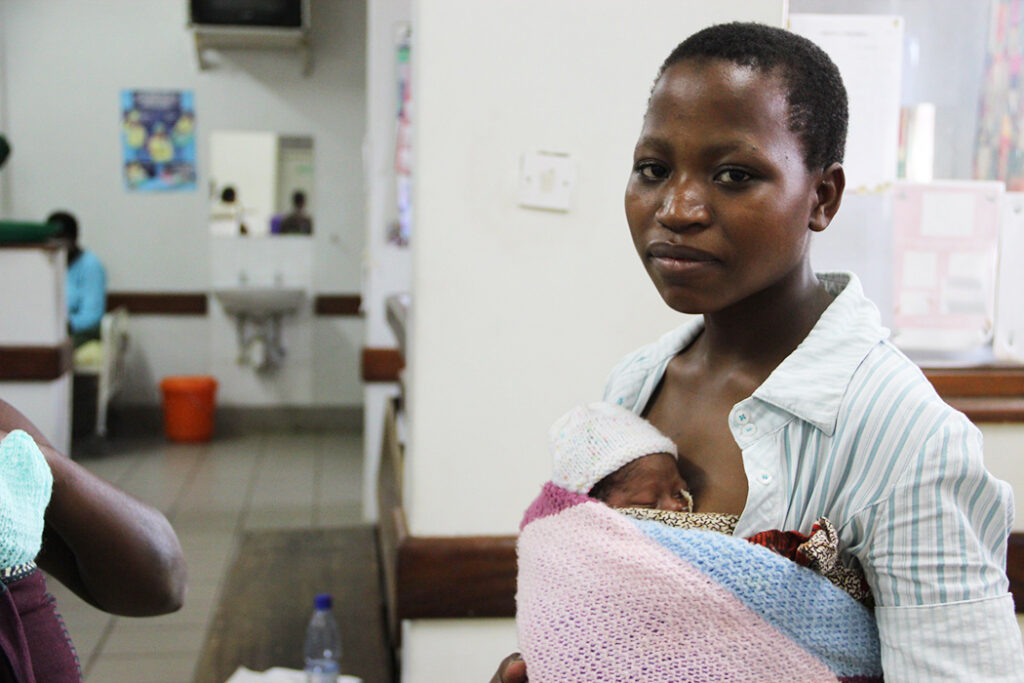
Child marriages weren’t the only old traditions preventing so many children of Malawi from experiencing a proper childhood. One in five Malawi female children experience sexual abuse (which is marginally better than in the United States, where the statistic is one in four girls). At least some of this sexual abuse is perpetrated by people following an old “cleansing” tradition called “kusasa fumbi”. In this tradition, girls who are headed towards marriage go to camps where they’re trained to sexually please their husbands. Their “trainers” are older men, whom they generally have to have sex with before being considered “cleansed”.
The men abusing these children rarely wear condoms. As such, HIV is an extra trauma that many girls will carry through their entire lives. Even if a girl isn’t exposed to the cleansing ritual, family burdens exist where children are expected to take over the duties of sick female relatives. This often includes having sex with the sick relative’s partner, whether this results in incest or not.
How Poverty Hindered Progress
Poverty is another force that helps to uphold the tradition of parents giving their children away in marriage. It’s hard to argue with families struggling to survive; for whom it’s not insignificant to have one less mouth to feed. Nevertheless, Kachidamoto began her campaign against child marriage in what amounted to family by family discussions. During these talks, she attempted to convince them not to marry off their children. Furthermore, she urged them to child marriages that had already taken place, insisting their children return to school.
She made some progress annulling child marriages and getting them back in school, but it wasn’t enough. She needed more force behind her, so she turned to sub-chiefs, faith leaders, the district commissioner and the district chief of police to get them on her side. Eventually she got all 51 sub-chiefs of her district to sign agreements to cease allowing child marriages and sexual initiation rituals.
Related Article: Field-to-School Programs Teach Children to Grow Food
Steps Taken Towards a Brighter Future for Malawi Schoolgirls
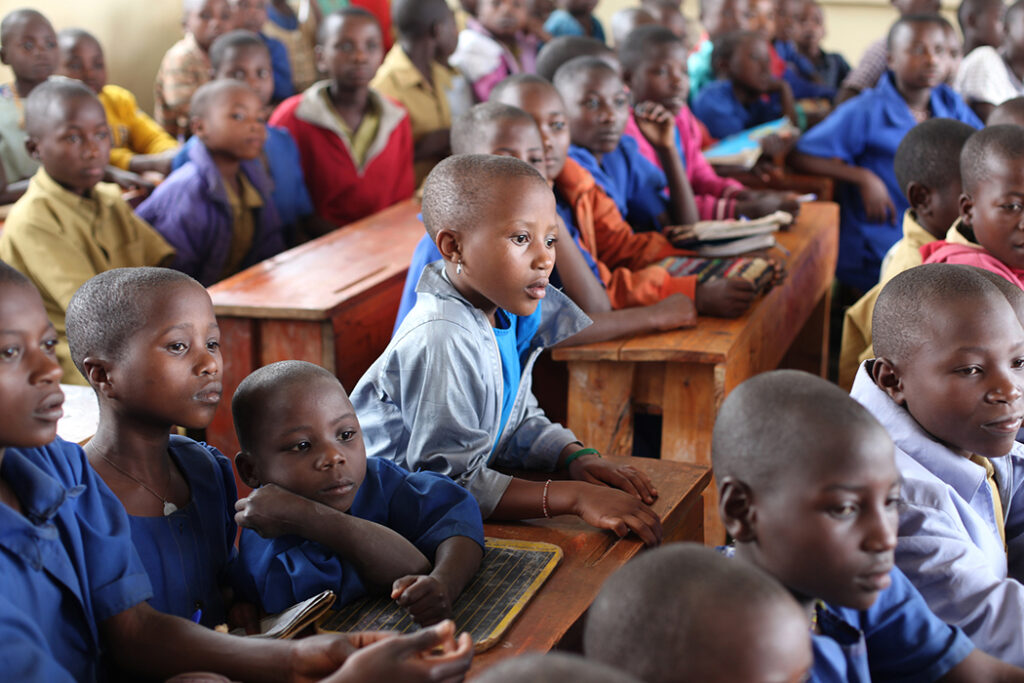
As every politician knows, it’s one thing to get people to sign agreements. But enforcing them is often the steepest climb to change. Kachindamoto set up a mother’s (and fathers) secret network to report to her on child marriages still taking place. When five sub-chiefs were reported to be forcing priests to officiate over child marriages, she fired them. Eventually she reinstated them once they annulled the marriages. The children involved all returned to school (something she verified personally). It was a powerful move that didn’t make her more popular. In fact, her work was starting to gain some momentum and it earned her death threats along the way. She brushed these off without a second thought.
Kachindamoto recognized that for real permanent change to take root, marriage under the age of 18 needed to be outlawed. In 2016, Malawi passed the Marriage, Divorce, and Family Relations Act. This raised the minimum legal age of marriage from 15 to 18. Furthermore, constitutional amendment closed the loophole of parental consent in 2018.
In her later years, she recognized that it wasn’t enough for kids to get a secondary education. This is because there were so few good jobs for them to get once they graduated. She began working with international groups to get funding and support for these kids. This way, they’d be able to attain the education they needed to start their own businesses.
A Legacy of Light
The legacy that Kachindamoto left behind when she died in August of 2025 is one of enormous importance. This woman significantly changed the lives of thousands of children for the better. She singlehandedly moved the dial of progress considerably towards making Malawi’s children’s welfare and futures more hopeful. She broke down existing barriers, created new laws, and championed children like they were all hers.
Inkosa Theresa Kachindamoto’s name and legacy will be remembered in Malawi forever.
Featured image (cropped) by Nafarroako Gobernua via Flickr Creative Commons, license 3.0