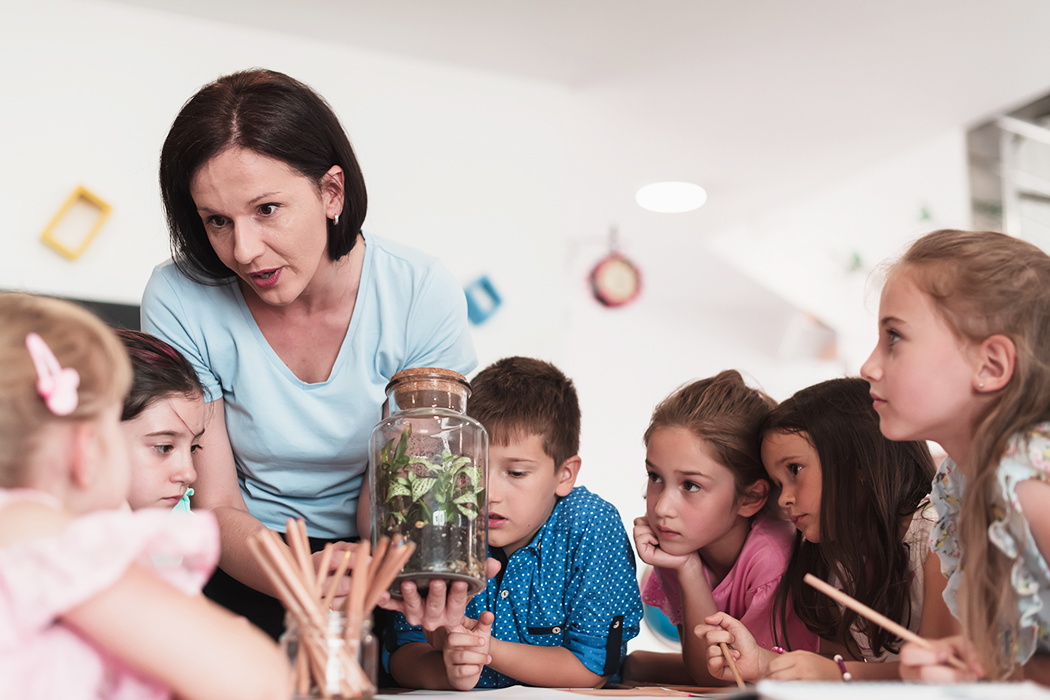
How many people do you know who can grow and prepare a meal from start to finish? While this skill was par for the course just a couple of generations ago, many people nowadays struggle to identify vegetables and herbs, let alone know what to do with them. And they certainly don’t know how to grow food! This is where field-to-table programs come in.
Many countries have established programs in which school children learn how to grow food from seed. The idea, which is supported by doctors, scientists, and child behavioral psychologists, is that children who grow their own food have more of an appreciation for fresh produce than their peers. They have more adventurous palates, aren’t as distressed by flavor or texture discrepancies, and aren’t as dependent upon processed, fast foods.
Waldorf and Montessori Schools Lead the Way
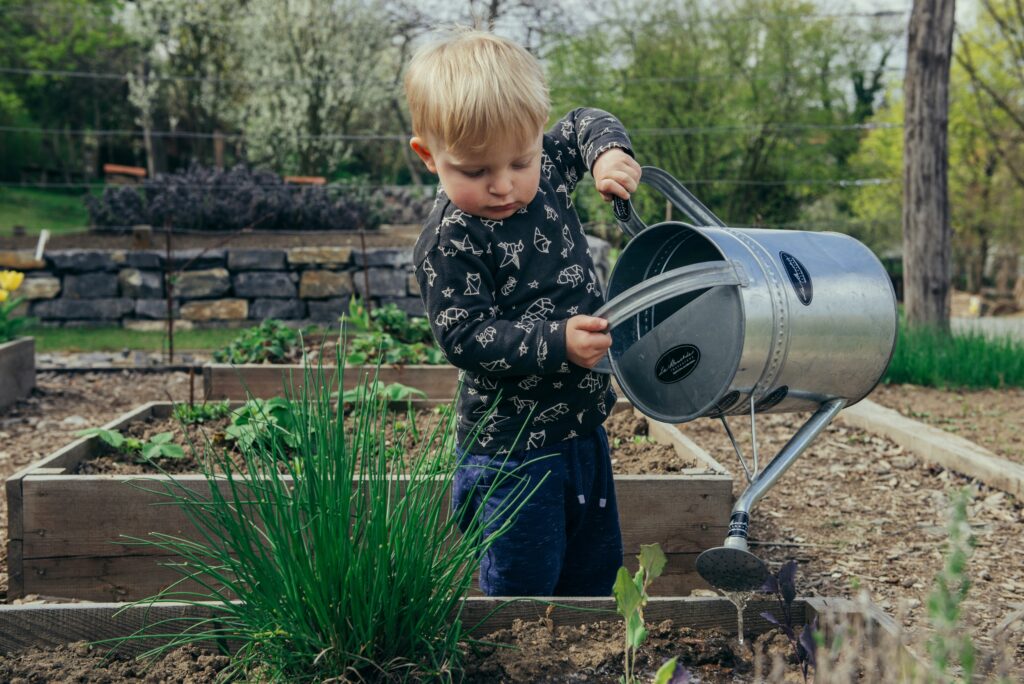
It’s unsurprising that Austria is leading the charge as far as teaching children how to grow food. Rudolf Steiner, who established the foundation for Waldorf education, recognized the importance of teaching little ones practical skills such as gardening and cooking. In his perspective, a child who understands and takes part in cultivating and preparing their own food will also be more likely to steward the world around them.
Long before children are taught how to read or do maths, they’re taught to plant seeds. These little ones take part in the creation of nourishment from age two or three onwards. They plant the vegetables that they will later help to prepare as snacks — both for themselves, and their peers.
According to Steiner’s philosophy, the goal of the curriculum he established is to “imbue the child with a sense that the world is good”.
Learn more about Waldorf education here.
The Montessori curriculum in Italy is very similar. It was established in Italy in 1907, and also includes classes on how to grow food. These classes are also arranged by age group, with small children planting seeds and learning how to water them, and older students learning about pathogens, pest control, harvesting, and food preparation.
Learn more about Montessori schooling here.
Countries that Teach Children to Grow Food at School
Austria isn’t the only country spearheading this initiative. With shifting climate and food shortages threatening the entire planet, many countries are following suit.
The Netherlands
Dutch school children visit a garden nearby once a week to tend the vegetables they’re growing. They aren’t just taught how to grow food from seed, but also how to identify and remove weeds. They’re taught how to gauge whether the soil needs watering, when fertilizer is needed, and how to harvest different species.
This initiative has many different positive effects. For one, it cuts down on emissions from importing vegetables from other countries. Secondly, it encourages children to make healthier meal choices. And thirdly, being physically active out in nature gives the children more exercise and better overall health.
Related Article: Alora Aims to Combat Food Insecurity by Taking Farming to the Ocean
France
Although food education has long been part of the school curriculum in France, growing food wasn’t a key component thereof. This is about to change. Last month, lawmakers proposed that essential education on growing and preparing food should also be a vital part of childhood food education. They cited the startling rise in childhood obesity and growing health inequalities as the driving force behind this decision.
Additionally, they recognize how early education about food cultivation encourages environmental stewardship. Children who learn about the importance of soil health and the life cycle of plants invariably grow up to be more environmentally conscious.
As the French ecologist Jacques Cousteau said:
“We only protect what we love, we only love what we understand, and we only understand what we are taught.”
Norway
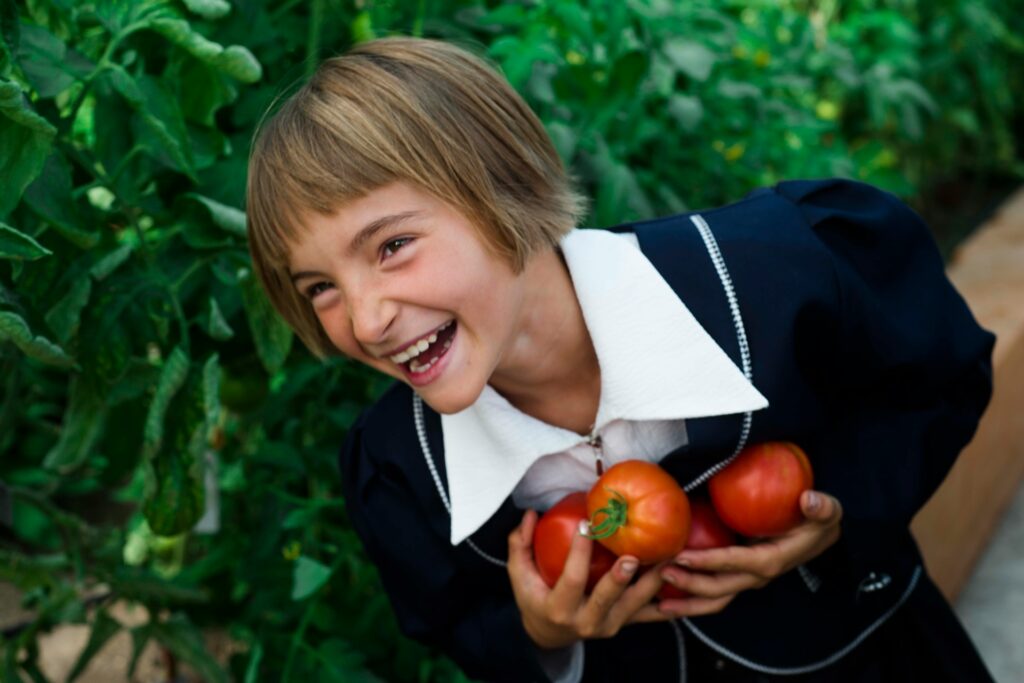
Norway is taking great initiatives to boost youth participation in the country’s food systems. Many schools now have vegetable gardens onsite, and the children’s involvement is based on age. Additionally, the children are taught how to identify and forage for wild edibles, and how flowers assist by attracting pollinators. As a first foray into growing food, Farm to Fork supplies school gardens with free tomato seeds for students to cultivate.
“When children grow, they get a new relationship with photosynthesis, the soil, biodiversity, vegetables and each other, it is a fantastic opportunity for them to follow the seasons and see how small seeds turn into large vegetables,” said Organic Norway’s project manager, Markus Brun Hustad.
Sweden
Sweden has implemented “food system education” for elementary school children, starting in 2022. In this program, the children are taught how food plants grow — which includes hands-on experiential education — as well as how the environment and economy are inextricably linked. They also now have an annual competition called Grönsaksmålet (aka “Green Issue”). In it, children between grades four and six from several schools compete to win SEK 25,000 ($2,637 USD) for their class. The class that grows the most food, creates the best recipes, and completes the most related lessons, wins.
In addition to learning how to cultivate food in school gardens, Swedish school children are taught safe food preparation protocols, including cooking outdoors.
Belgium, Canada, Russia, India, Turkey, Australia, Paraguay, Brazil, Kenya, Japan, and the USA also have similar programs.
Related Article: SNAP Benefits are Being Reinstated, but for How Long? Here’s How You Can Help Fight Food Insecurity in Your Community
How You Can Get Involved
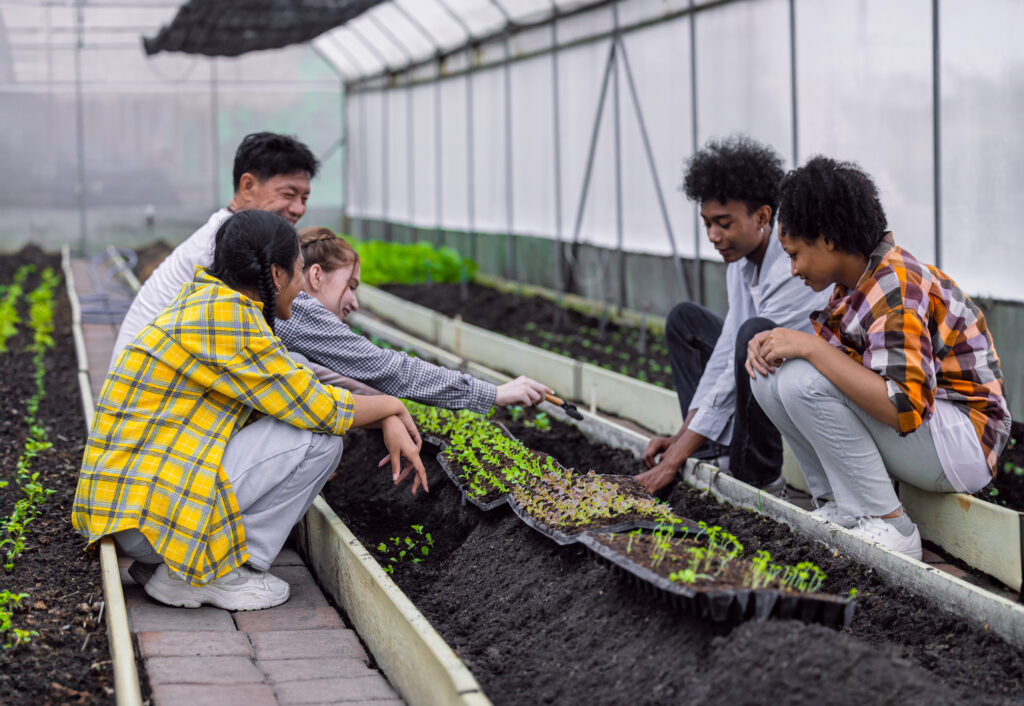
If your child’s school doesn’t have a field-to-table program yet, contact the administrators to determine whether it’s a viable option. It’s helpful if you have gardening or farming experience and a willingness to volunteer. Quite often it’s a lack of staff rather than red tape that prevents these programs from taking form.
In fact, if you know several other parents who have similar experience, you could apply for this program as a group. The chances of it being approved are far greater if the interest seems to be shared. Have a dossier of facts on hand about these programs’ success rates from other countries, as well as action plans regarding funding/donations, seed sourcing, legal disclaimers and protections, and so on.
Keep in mind that learning how to grow food isn’t limited to grade-school children. High school students, special needs classes, and adult literacy programs can all benefit from these programs as well.
Featured image © dotshock , via Dreamstime.com