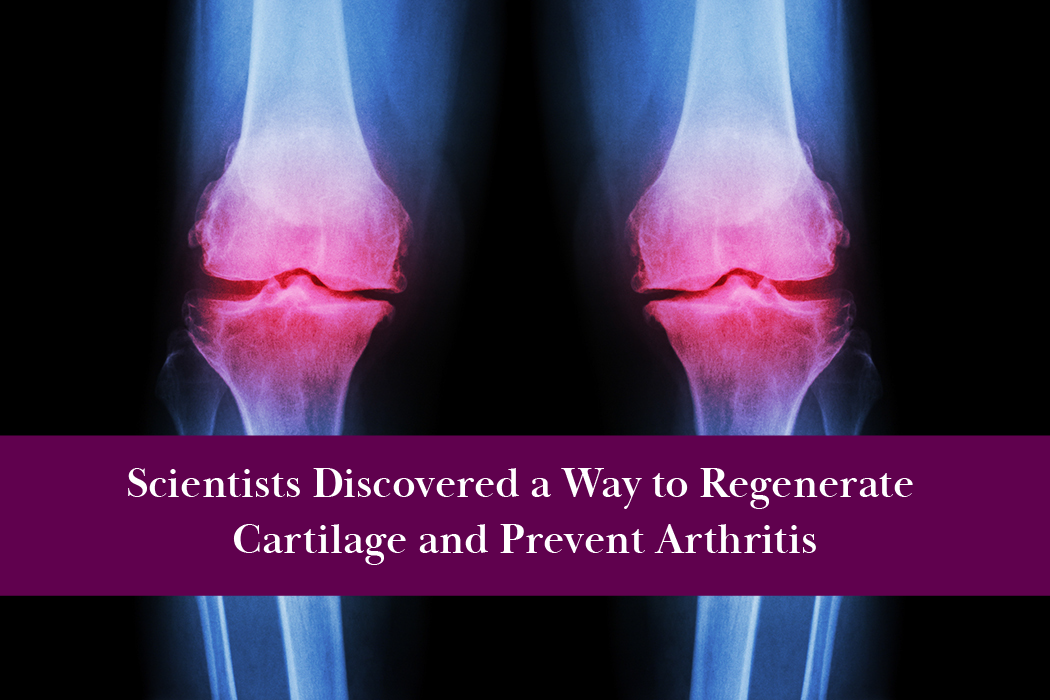
Researchers at Stanford Medicine discovered a groundbreaking treatment that can reverse cartilage loss in aging joints. It can even prevent arthritis after knee injuries, raising hopes for arthritis treatments. These results point toward future therapies that could replace joint surgery altogether.
The study used an injection to block a protein linked to aging called 15-PGDH or gerozyme. This protein naturally increases in levels as the body ages. Additionally, it’s known to drive the gradual loss of tissue function. In mice, higher 15-PGDH levels correlate with declining muscle strength as they age.
How Does it Work?
The injection blocks the 15-PGDH enzyme using a small molecule to boost endurance and muscle mass. In most tissues, repair then takes place through activating stem cells. Cartilage is different, however. Instead, chondrocytes alter how the genes behave and shift to a more youthful state without relying on stem cells.
By blocking this protein, the new therapy restored healthy, shock-absorbing cartilage in injured joints and prevented arthritis after knee injuries in elderly mice, dramatically improving movement and joint function.
The protein has also been linked to the regeneration of bone, nerve, and blood cells.
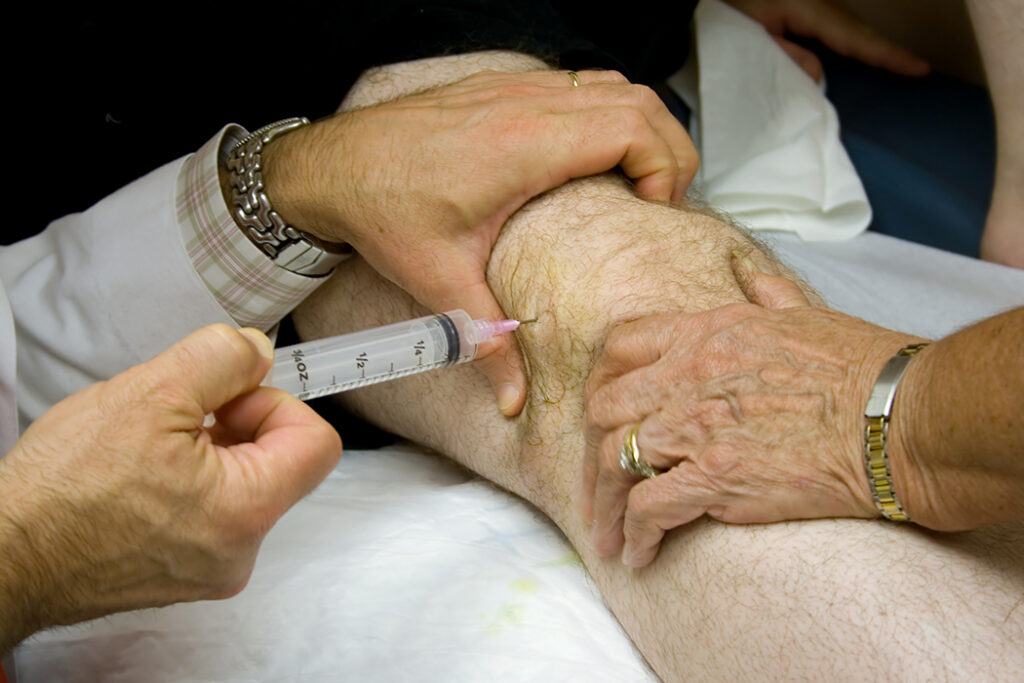
When researchers first injected a small molecule that inhibits 15-PGDH in older mice, they administered it into the abdomen to reach the entire body. They later injected it directly into the knee joint. Both cases resulted in cartilage thickening across the joint surface.
Related Article: Scientists Develop Cancer-Destroying Bacteria That Annihilate Tumors from Within
Additional Tests Confirmed Regenerated Cartilage
Nidhi Bhutani, PhD, associate professor of orthopedic surgery and one of the study’s senior authors, said: “Cartilage regeneration to such an extent in aged mice took us by surprise. The effect was remarkable.”
And these amazing results extend to people!
Human cartilage samples from knee replacement surgeries also began regenerating when exposed to the treatment. The samples included both cartilage-producing chondrocyte cells and the supportive extracellular matrix of the joint. After treatment, the tissue began producing new functional cartilage.
Together, the findings suggest that cartilage lost as a result of arthritis or aging could someday be restored through either a targeted injection or a pill. If the results show success in humans, these treatments could reduce or even eliminate the need for both knee and hip replacement surgeries. Researchers say they aim to treat age-related muscle weakness as well.
“Millions of people suffer from joint pain and swelling as they age,” said Bhutani. “It’s a huge unmet medical need. Until now, there has been no drug that directly treats the cause of cartilage loss. But this gerozyme inhibitor causes a dramatic regeneration of cartilage beyond that reported in response to any other drug or intervention.”
An Oral Treatment is Currently Undergoing Clinical Trials
This approach is new and could greatly impact many people, as it targets the root cause rather than the symptoms.
For osteoarthritis patients in particular, which is estimated to affect around one in every five US adults, it could mean hope.
Osteoarthritis is a degenerative joint disease that develops when joints are stressed by injury, obesity, or aging. Chondrocytes release inflammatory molecules and break down collagen, which is the main structural protein found in cartilage. As the collagen is lost, your cartilage becomes softer and thinner over time. Then inflammation causes pain and swelling.
Currently, the only treatment options center around managing pain or replacing the damaged joints through surgery. There are no drugs currently approved to help slow or reverse the underlying cartilage damage.
The research team also observed similar benefits in mice with knee injuries resembling ACL tears. These typically occur during sports involving sudden stopping, pivoting, or jumping. Although these injuries can be surgically repaired, about half of affected people develop osteoarthritis in the injured joint within 15 years.
Related Article: UK Scientists Have Figured Out how to “Regrow” Tooth Enamel
The results were promising

In the study, the mice that received twice-weekly injections of the gerozyme inhibitor for four weeks after an injury were far less likely to develop osteoarthritis. The control group, on the other hand, had double the levels of 15-PGDH than the uninjured mice and developed osteoarthritis within four weeks.
The treated mice were also able to place more weight on the injured leg and move around more normally.
Researchers also tested cartilage from patients undergoing a total knee replacement due to osteoarthritis. After a single week of treatment with the 15-PGDH inhibitor, the tissue showed fewer 15-PGDH-producing chondrocytes. It also showed reduced cartilage degradation, and early signs of cartilage regeneration.
“This is a new way of regenerating adult tissue, and it has significant clinical promise for treating arthritis due to aging or injury,” said Helen Blau, PhD, professor of microbiology and immunology. “We were looking for stem cells, but they are clearly not involved. It’s very exciting.”
So far, early phases of the clinical trials show promising and safe results in healthy volunteers. Researchers hope that a similar trial will launch soon to dive more into the 15-PGDH inhibitor’s effect on cartilage regeneration.
Featured image © Puwadol Jaturawutthichai, via Dreamstime.com