The idea of a cancer treatment that destroys tumors from the inside sounds almost like science fiction, doesn’t it? In reality, that’s exactly what a research team from the University of Waterloo in Ontario, Canada, is developing. So far, the treatment seems so promising that it’s moving forward to treat tumors in preclinical trials.
How does This Cancer Treatment Work?
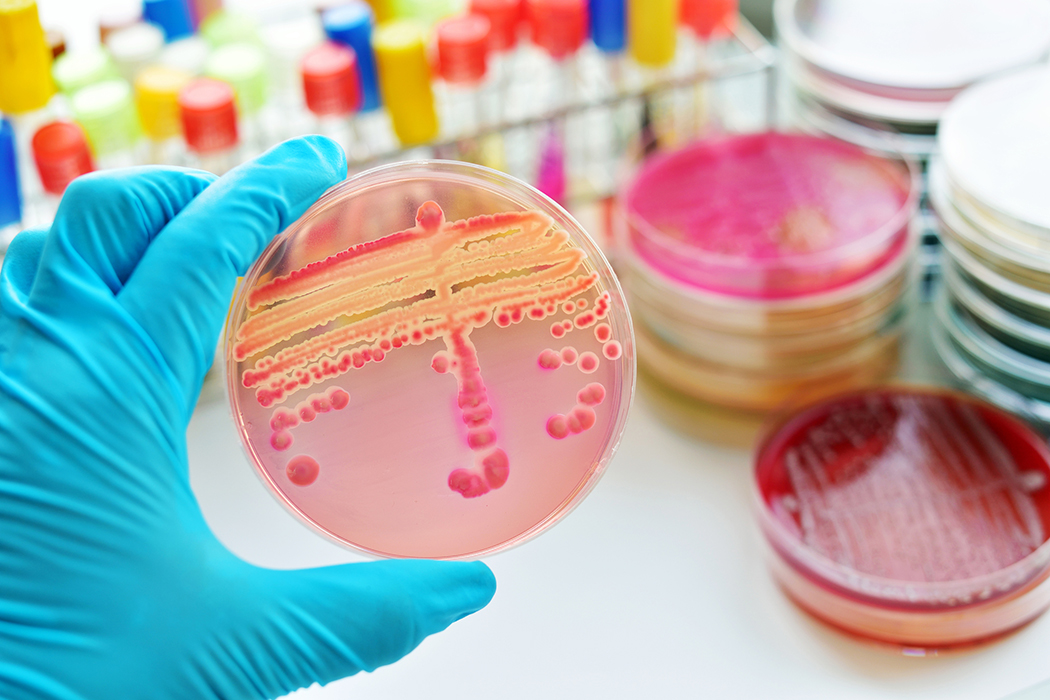
Researchers combined the genes of two bacteria to create one that essentially “eats” tumors from the inside out. The inner cores of cancerous tumors are oxygen-free environments. Enter the Clostridium sporogenes bacterium: a common soil-borne pathogen that can only thrive in conditions that are completely oxygen-free.
The bacteria spores are introduced into the tumors, which has the optimal condition of being nutrient-dense, with zero oxygen. As a result, the bacteria eat away at the nutrients (i.e. the dead cells that comprise the tumor itself), and start to grow. Dr. Marc Aucoin, chemical engineering professor at U of Waterloo, explains that with this approach, “The bacterium is essentially ridding the body of the tumor”.
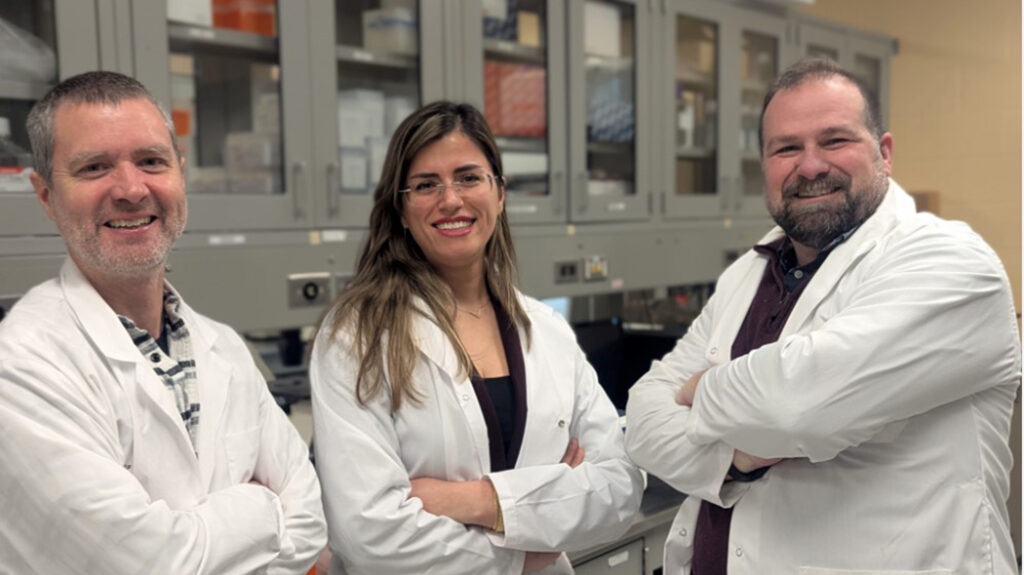
This approach developed from work begun by PhD student Bahram Zargar. He was supervised by Dr. Brian Ingalls, a professor of applied mathematics at Waterloo, and Dr. Pu Chen, a retired professor of chemical engineering.
Related Article: A Teenager has Invented a $0.50 Soap that can Prevent and Treat Skin Cancer
Surmounting the Oxygen Obstacle
Since this specific bacterium dies when exposed to oxygen, it can’t eliminate the tumors completely. This is because as the bacteria grow and spread, eating their way through the tumor’s outer layers, they’ll push through the outer layers and encounter oxygen in the surrounding blood and healthy tissue. Oxygen kills the bacteria, so the tumors can’t be completely eliminated by them.
This is where things get interesting. The researchers introduced a gene from an oxygen-tolerating, related bacterium into the microbes. Furthermore, they used a process known as quorum sensing to only activate the oxygen-tolerating gene when that tolerance was needed. This keeps the bacteria’s growth in check, rather than allowing it to keep thriving in the bloodstream instead of dying off.
Fortunately, this change worked incredibly effectively. Instead of dying as soon as it encounters oxygen, the cancer-eating bacteria survive significantly longer as they work their way through the tumors’ external layers. They don’t, however, live long enough to start invading the surrounding tissues.
Related Article: MRI Cryoablation Destroys Tumors in a Day by Freezing Them
A Promising New Approach to Cancer Treatment
If the preclinical trials prove successful and this treatment advances further, it could revolutionize cancer treatment worldwide. Instead of invasive treatment and intense radiation and chemotherapy, these bacteria could simply obliterate the tumors completely.
On average, there are 20 million cases of cancer diagnosed worldwide every year, with over 9 million cancer-related deaths. With breakthroughs such as this one, that latter number has the potential to be reduced significantly. Let’s be cautiously optimistic about this potential treatment, and hope that it turns out to be effective in clinical trials.
Via the University of Waterloo
The Center for Research on Environmental Microbiology (CREM Co Labs
Featured image © Jarun011 via Dreamstime.com