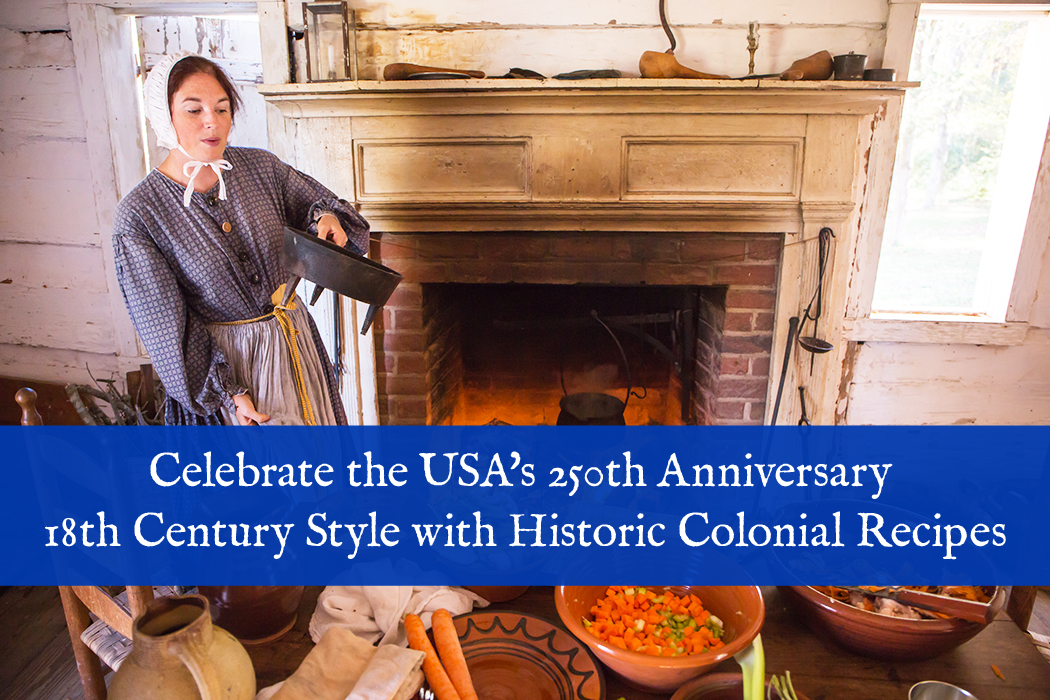
The Declaration of Independence was signed on July 4th, 1776, announcing the separation from Great Britain and independent sovereignty to the rest of the world. This makes 2026 the United States of America’s semiquincentennial anniversary!
That’s right: the USA is celebrating 250 years of existence, and festivities are going to be spectacular, all across the country. While many people are going to be breaking out the hot dogs, devilled eggs, and macaroni salad, there are many other delicious recipes that can be enjoyed on this festive occasion. For example, you could take a cue from the Founding Fathers and celebrate 18th Century style! Here are several Colonial recipes for you and your family to enjoy this coming Fourth of July.
18th Century Fried Chicken
Fried chicken is an absolute staple at most holiday cookouts. It may surprise you to know, however, that this isn’t a contemporary dish. In fact, people have been enjoying this delicious dish for nearly 300 years! The brilliant folks over at Townsends have shared their favorite fried chicken recipe on their YouTube channel for you to try. It’s a fairly simple Colonial dish that can either be enjoyed as is, or used in a wide variety of dishes.
Ingredients:
- Whole chicken, or individual pieces
- Cooking oil
For the Marinade:
- Freshly squeezed juice from two large lemons
- An equal portion of vinegar (apple cider or malt is best)
- 1/2 cup finely chopped shallots or green onions
- 2 bay leaves
- 1 teaspoon salt
- 1 teaspoon pepper
- 1/4 teaspoon ground cloves
For the Batter:
- 1 and 1/2 cups of all-purpose flour
- 3 egg yolks
- 1 teaspoon of salt
- White wine, cider, beer, or water (adjust as needed)
Whisk together all of these ingredients in a large mixing bowl until the consistency is similar to that of pancake batter. Add your liquid of choice bit by bit until the consistency is correct.
Instructions:
Either cut a whole chicken into quarters, or take two of each of chicken breasts, legs, and thighs. Add these to the mixing bowl and stir to coat thoroughly. Allow to marinate for at least three hours.
At that point, fill a small pot with the cooking oil of your choice, and heat to 350F. Use a thermometer to ensure proper temperature.
Add the chicken pieces one at a time, and fry until brown. Then remove from the oil and drain well on paper towels or old newspaper.
Garnish with crumbled dry parsley if desired, or with a dipping sauce.
*Note: This fried chicken is excellent in salads and sandwiches. The coating gives it a delightful crunch, and the flavors work wonderfully with creamy dressings and spreads. Try it in a crusty roll with mayonnaise, lettuce, onions, and tomatoes, or in your favorite chicken or pasta salad recipe.
Hand Pies
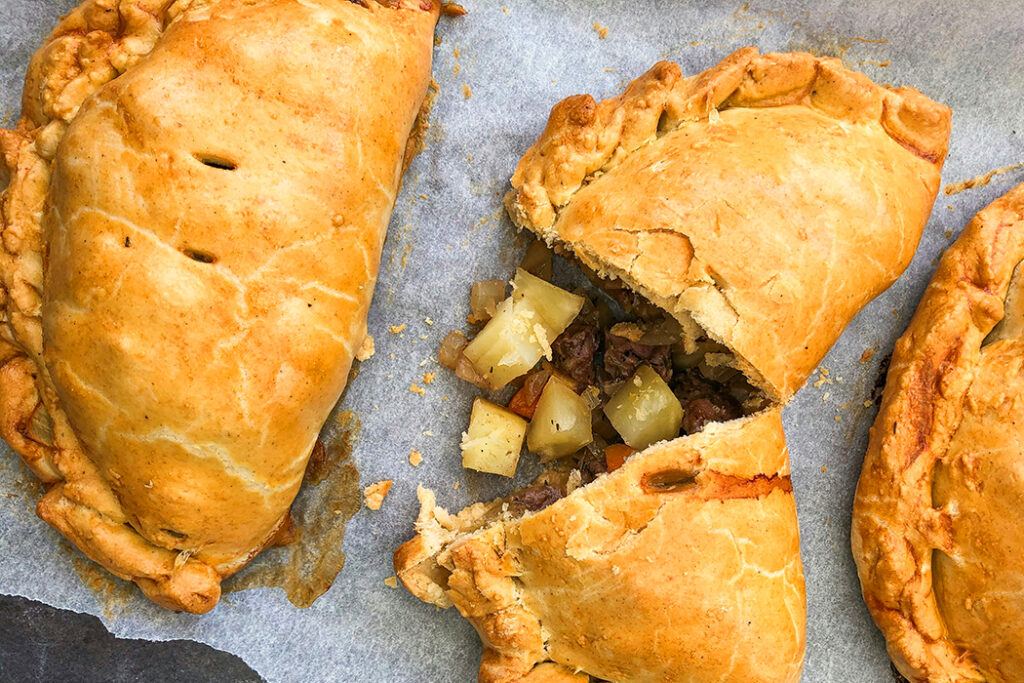
If you’re a fan of Cornish pasties, then you’ll love these Colonial “tavern hand pies” courtesy of Colonial Williamsburg. These savory pastries are stuffed full of beautifully seasoned potatoes, onions, and beef, and baked until golden. They’re perfect for Fourth of July picnics as well as backyard parties, and freeze well too!
Get the recipe here: Tavern Hand Pies from the Colonial Williamsburg website.
This recipe is very similar to that of Brianna’s Bridies, from the Outlander Kitchen cookbook. The recipe for them was inspired by the book Drums of Autumn. It’s set primarily in North Carolina, in the colonial period from 1767 to 1770. If you’re a fan of all things Outlander, these would be ideal for a Colonial-themed semiquincentennial menu.
(Just make sure to take plenty of pictures if you dress in full costume to celebrate, and tag us in your social media accounts!.)
Colonial Corn Dogs
This is another treat from the brilliant cooks at Townsends. Corn dogs are quite ubiquitous at Fourth of July picnics and cookouts across the country. That said, they’re based on 18th century savory “fraze” pancakes that our Colonial predecessors would have eaten.
These corn dogs are a little different from the Foster Farms or State Fair types we’re accustomed to. For example, there was nothing like a hotdog in the 18th century, so these corndogs use sausage meat instead.
Batter Ingredients:
- 1 and 1/2 cups all-purpose flour
- 1 and 1/2 cups cornmeal
- 1/4 cup sugar
- Pinch each of salt and pepper
- 2 eggs, beaten or whole
- 1 and 1/2 cups milk
Stir the dry ingredients until they’re mixed well. Then add the eggs and milk, and mix into a thick batter. Set aside for 20 to 30 minutes so it thickens further, as it needs to be thick enough to stick to the sausage meat.
Sausage Ingredients:
- Finely chopped pork mixed 50/50 with beef suet (do NOT substitute with lard)
- Spices to taste, such as sage, garlic, minced onion, parsley, paprika, salt, and pepper
Mix these ingredients thoroughly, and then form the mixture into fairly thick, short sausage shapes.
Directions:
Heat fat or oil in a pan and fry these lozenge-shaped pork sausage patties until golden brown and firm. Set them aside to let them cool.
Once cooled, skewer them onto wooden or bamboo sticks, and coat thoroughly with the cornmeal-flour batter. Then heat oil in a pot until it’s boiling, and immerse the battered corn dogs in it. Fry until a rich golden brown, then remove and allow to drain on newspaper.
*Note: Are you keen on remaining in character and using Colonial condiments? Then consider either making your own 18th century mushroom ketchup, or buying a bottle based on an era-accurate recipe!
General Ulysses S. Grant’s Favorite Cucumber Salad
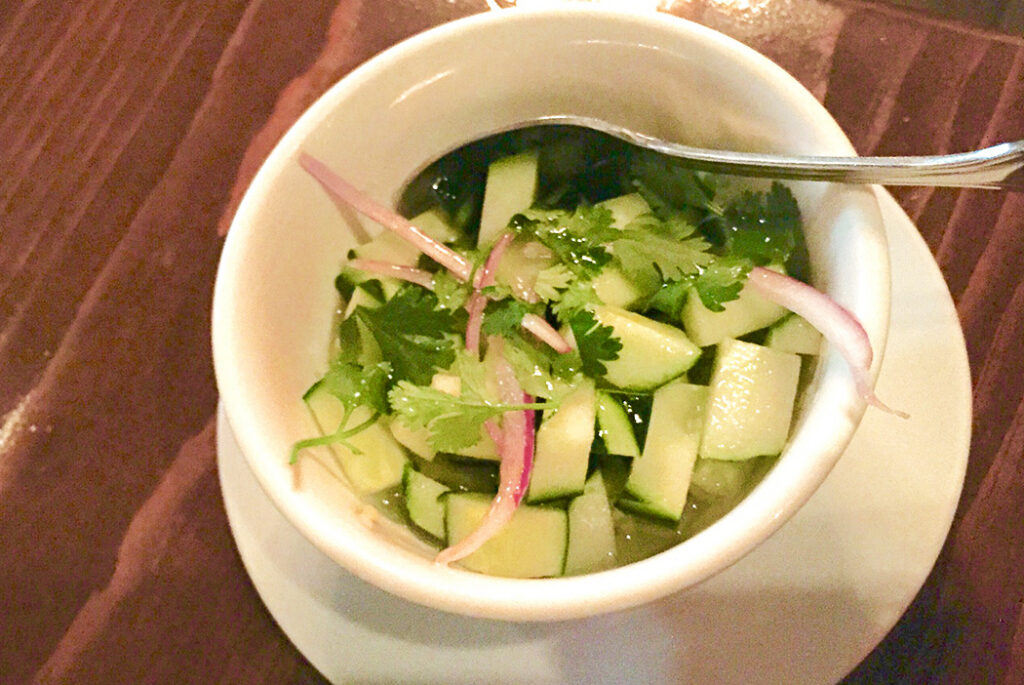
Photo by T.Tseng, via Flickr Creative Commons, License 2.0
The things that people in the past took as scientific fact weren’t always accurate. For example, 18th century doctors and culinary “authorities” warned against the dangers of raw vegetables. Furthermore, they believed that raw vegetables caused diseases, and encouraged people to boil or roast all vegetables for the sake of their health.
In reality, water sources were frequently contaminated with bacteria from livestock droppings. That’s why the raw vegetables were blamed for causing illness. The cooking process killed this bacteria, rendering the vegetables safe for consumption. That said, not everyone subscribed to this mindset. General Ulysses S. Grant’s favorite breakfast snack was cucumber salad, which was certainly not cooked. This Colonial recipe is just as appealing now as it was back then, and makes a lovely summer side dish for your Fourth of July celebrations, though it may not be as popular as a breakfast dish.
Ingredients:
- 1 large cucumber, sliced thinly OR chopped into half-inch pieces, depending on your texture preferences
- 3 tablespoons red wine or salad vinegar
- 1 tablespoon white granulated sugar
- 1/8 teaspoon dry mustard
- Salt and pepper to taste
Preparation:
Toss the sliced cucumber and onion with the wine, sugar, and dry mustard. Add salt and pepper, and adjust the seasonings as desired. Chill for at least half an hour before serving. If desired, garnish with a bit of parsley or cilantro.
*Note: If you’d like to make this dish more colorful, replace half the sliced onion with chopped chive blossoms.
Related Article: Former Coal Mine is Now a Garden That Feeds Thousands Annually
The First American Apple Pie
The very first American cookbook was written by a woman named Amelia Simmons. American Cookery was published in Hartford, Connecticut, in 1796, and contained ingredients and terms that American home cooks would know. For example, she encouraged the use of new-world ingredients like corn, pumpkin, and cranberries. In fact, if you serve cranberry sauce with your Thanksgiving turkey, this cookbook is likely why: it was the first to recommend doing so.
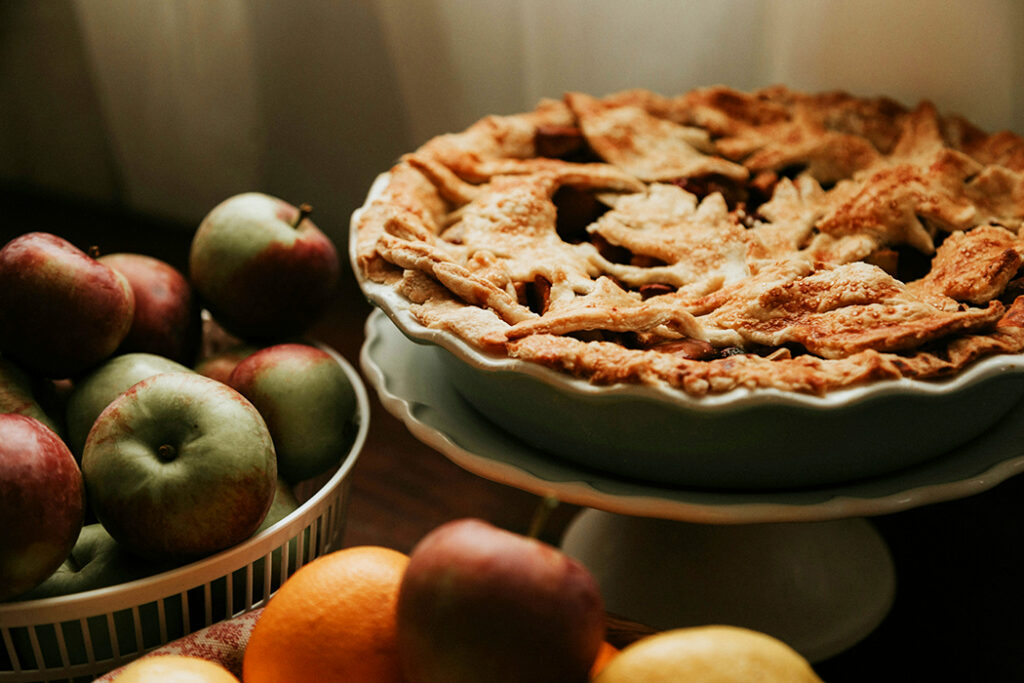
One of the best-loved recipes from that book is apple pie. Max Miller of the Tasting History website re-created the recipe for modern cooks, and you can find it here:
The First American Apple Pie, from American Cookery
Apparently the rosewater and mace give it quite an old-fashioned flavor. Create whatever type of double crust you like, and enjoy the flavors that your forbears would have tasted regularly.
However you choose to celebrate the Fourth of July this year, on the country’s 250th anniversary, best wishes to you and your families!
Featured image © Kevin M. Mccarthy via Dreamstime