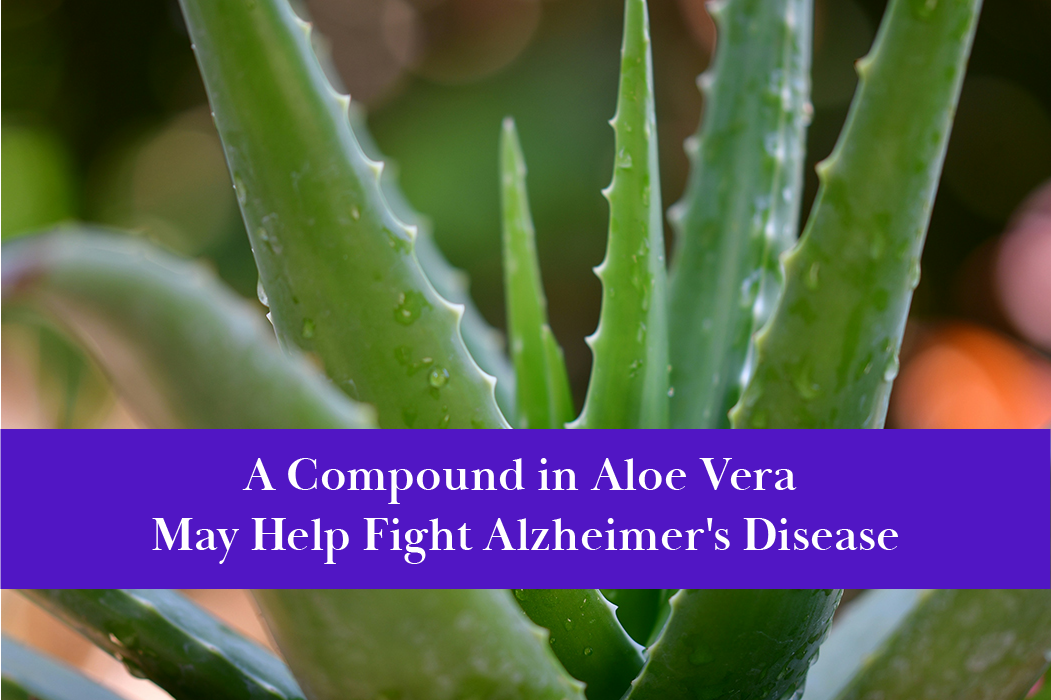
A compound found in the common houseplant Aloe vera may hold clues for future Alzheimer’s treatments. A new study used computer simulations to examine how the plant’s natural chemicals interact with brain enzymes tied to memory loss.
The compound, known as beta-sitosterol, appears to bind strongly to two enzymes central to Alzheimer’s disease: acetylcholinesterase (AChE) and butyrylcholinesterase (BChE). Both enzymes break down acetylcholine, a chemical messenger in the brain that plays a critical role in learning and memory.
In people with Alzheimer’s, acetylcholine levels are often abnormally low. Slowing the enzymes that degrade it has long been a strategy for managing the disease’s symptoms. It’s the same mechanism behind several already-approved Alzheimer’s medications.
How the Study Worked
Researchers led by Meriem Khedraoui at the University of Casablanca in Morocco screened 11 compounds naturally present in Aloe vera leaves. They used a technique called molecular docking to predict how well each one might fit into and block the two enzymes.
Beta-sitosterol stood out from the group, posting binding scores of −8.6 kcal/mol against AChE and −8.7 kcal/mol against BChE. This result is stronger than any other compound tested, including one called succinic acid that also showed some promise.
To go beyond a single snapshot, the team ran 100-nanosecond molecular dynamics simulations. This method tracks how stable a molecule’s grip on its target enzyme remains over time rather than just how well it fits at a single instant. They paired that with density functional theory calculations. This is a quantum-chemistry approach used to study a molecule’s electronic behavior, to further probe beta-sitosterol’s chemical reactivity.
Researchers also ran the compound through an ADMET analysis. It’s a standard early-stage screening step that estimates how a candidate drug might be absorbed, distributed, broken down, and cleared by the body, along with any toxicity red flags. They reported favorable results on that front as well.
“These results highlight the potential of Beta sitosterol as a dual inhibitor, which could be crucial in managing Alzheimer’s disease,” Khedraoui said.
Related Article: Scientists Discovered a Way to Regenerate Cartilage and Prevent Arthritis
A Long Way From the Clinic
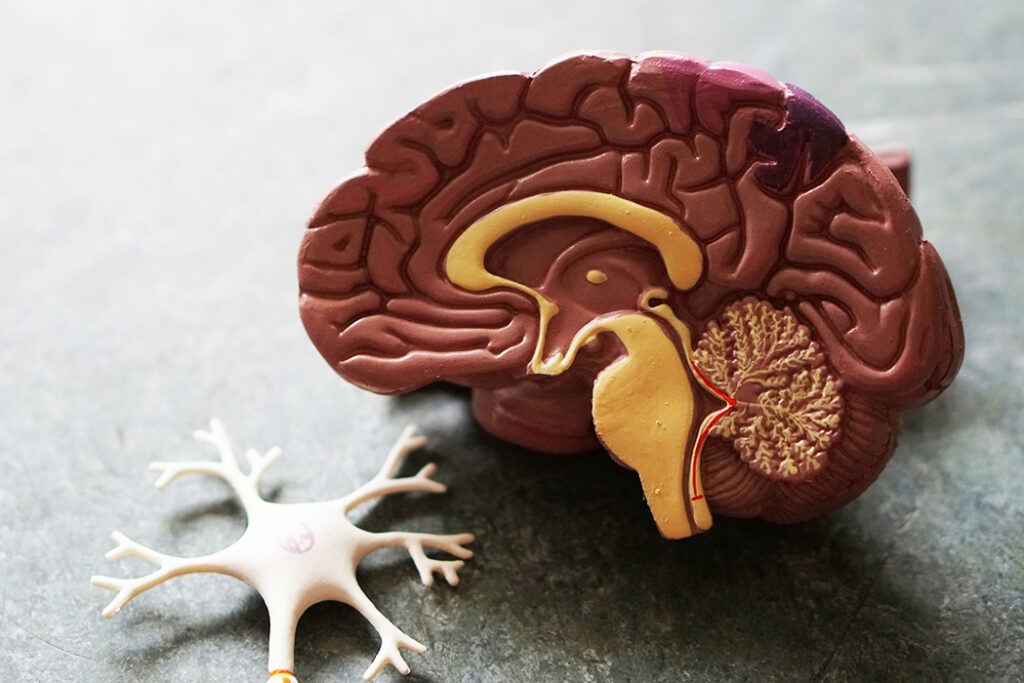
Despite the encouraging numbers, the work is entirely computer-driven. No cells, animals, or human patients were involved. Everything reported so far comes from simulations predicting how the molecules should behave. This is in contrast to laboratory evidence proving that they actually do so.
Outside experts have urged caution about over-interpreting the findings.
In comments to Fox News Digital, an Alzheimer’s researcher (not involved in the study), named Weber, noted that blocking cholinesterase enzymes doesn’t address the underlying brain cell death and damage that drives Alzheimer’s disease.
Even if beta-sitosterol eventually proves effective in people, the expert added, it likely wouldn’t be a “disease-modifying” treatment. So it might ease symptoms without slowing the disease’s actual progression. This is similar to existing cholinesterase-inhibitor drugs already on the market like donepezil.
That distinction matters because Alzheimer’s disease involves several overlapping processes beyond low acetylcholine levels. It includes the buildup of amyloid plaques and tau protein tangles in the brain, along with oxidative damage to neurons.
A compound that only slows enzyme activity would be treating one symptom of a much larger biological problem.
Related Article: Scientists Suggest Autism and ADHD May be Overlapping Neurological Traits, NOT Entirely Separate Conditions
Caution is Strongly Advised when Taking Aloe Vera
While this research is exciting, scientists emphasize that a digital simulation is only an initial step in drug discovery.
Here’s why:
- There have been no human clinical trials: There’s no proof yet that drinking Aloe vera juice or taking over-the-counter supplements will protect the brain or slow down dementia in humans.
- The bioavailability is unknown: Many compounds that look perfect in a computer simulation change or fail to work when they are actually digested and processed in the human bloodstream and across the blood-brain barrier.
- Supplement claims come with warnings: Representatives from organizations like the Alzheimer’s Association caution consumers to be highly skeptical of any retail supplements that make instant therapeutic claims based solely on computational data.
Why Aloe Vera, and What’s Next?
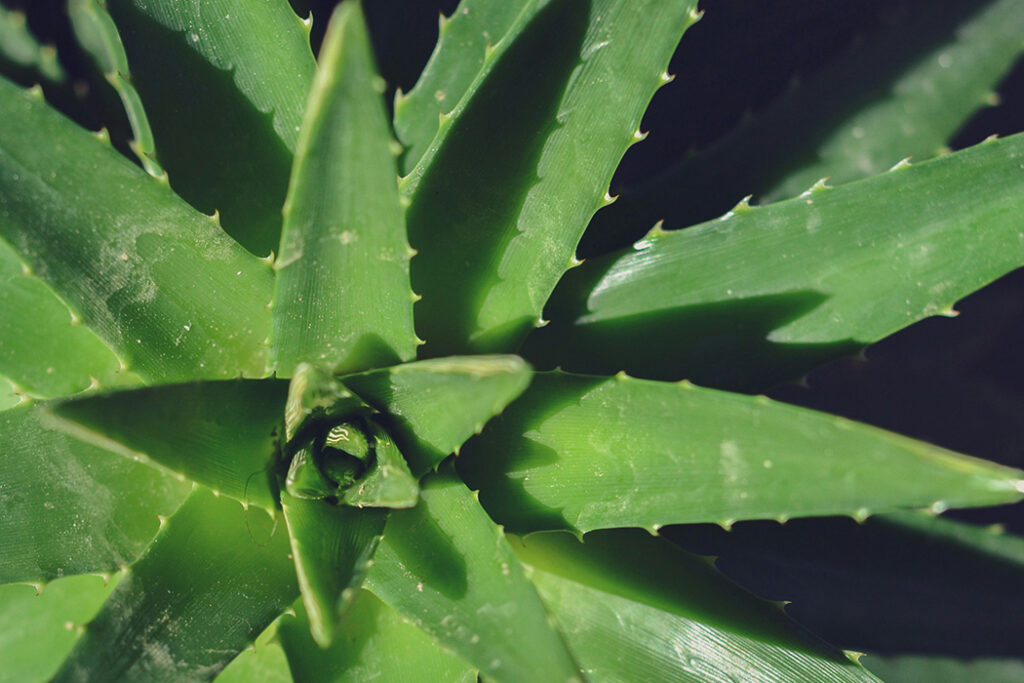
Aloe vera has a long history in folk and traditional medicine. It’s often applied topically for skin conditions or taken as a supplement for digestive complaints. That said, most of those uses have limited rigorous clinical backing.
Beta-sitosterol itself also isn’t unique to Aloe vera. It’s a plant sterol found widely across fruits, vegetables, nuts, and seeds. Additionally, it has been studied separately for potential cholesterol-lowering and anti-inflammatory effects.
Other research groups have previously reported similar cholinesterase-inhibiting activity for beta-sitosterol extracted from different plants. This lends some independent support to the new computational findings.
The Moroccan research team has framed their results as an early foundation rather than a finished discovery. The next steps, they say, would involve testing beta-sitosterol in laboratory settings. First in isolated enzyme or cell-based assays, then potentially in animal models. These need to happen before any human clinical trials could be considered. That process typically takes years and often fails to replicate promising computer predictions once real biological systems are involved.
For now, the findings add Aloe vera to a growing list of plant-derived compounds being explored as potential low-cost, naturally sourced starting points for Alzheimer’s drug development. This is a research area that remains active, given the limited number of treatments currently available for a disease that affects tens of millions of people worldwide.