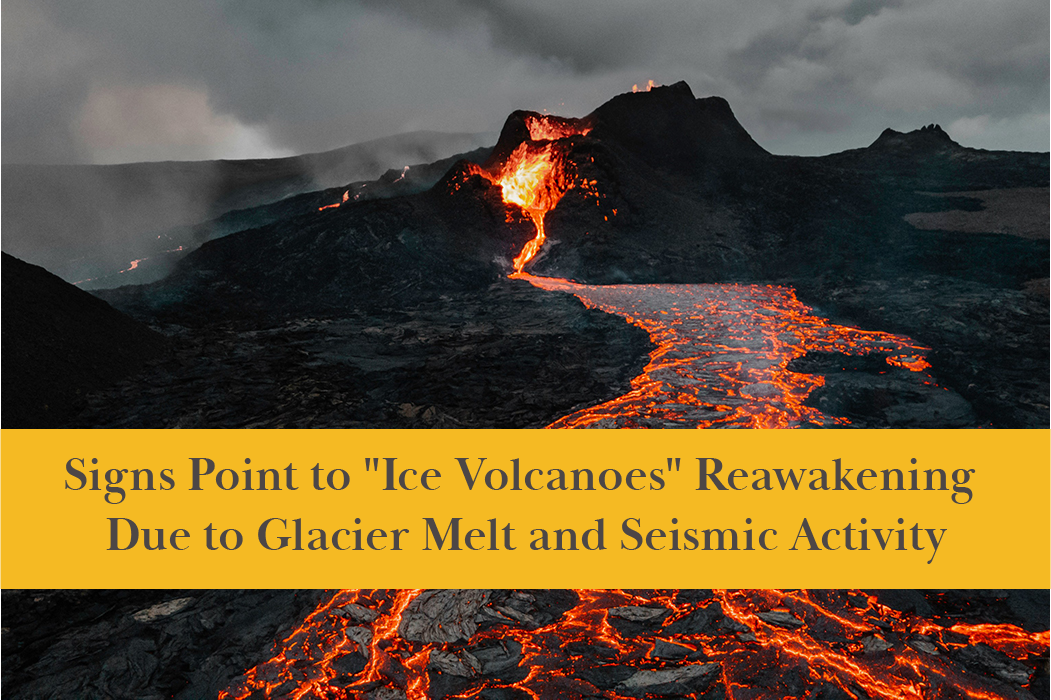
When Jules Verne wrote Journey to the Center of the Earth, he chose Iceland as the entry point to the world below the earth’s crust. Iceland is a country of beauty and mystery. Perched up high, close to the polar region, this country has long, dark winter days and late-night summer sunshine. A geologically young island, it offers an insight into the ways a shifting climate can impact the earth in a variety of ways. This includes apparent seismic reawakening.
Iceland: A Young, Still-Unsettled Land Mass
Iceland is a large island, perched precariously astride two tectonic plates. Those plates are currently shifting apart, very slowly. But as they shift the island itself is in a state of geological turmoil. To make it all more exciting, it’s also a land where fire and ice meet continually.
Once coated in icy glaciers, the mountains have retreated over the past 15,000 years. Now, only about ten percent of Iceland remains under glaciers. Underneath the earth’s crust, Iceland is a seething pulse of volcanic activity. If you visit this country today, you can appreciate the molten layer beneath the ice and shifting tectonic plates by soaking in one of the many hot springs. There, even in the middle of winter, you can soak in a natural, mineral-rich hot bath or sit sweating in a spring-heated sauna.
Iceland is one of the youngest land masses geologically, which is pretty exciting. But it also means that its geology is less settled than older land masses that feel the shifts of climate and earth more keenly. The impacts of the changing globe are more noticeable in this country than in many other areas of the world. One of the most interesting — and unsettling — signs of a shifting globe is that volcanoes are reawakening in the glacial heart of Iceland.
Awakening Volcanos
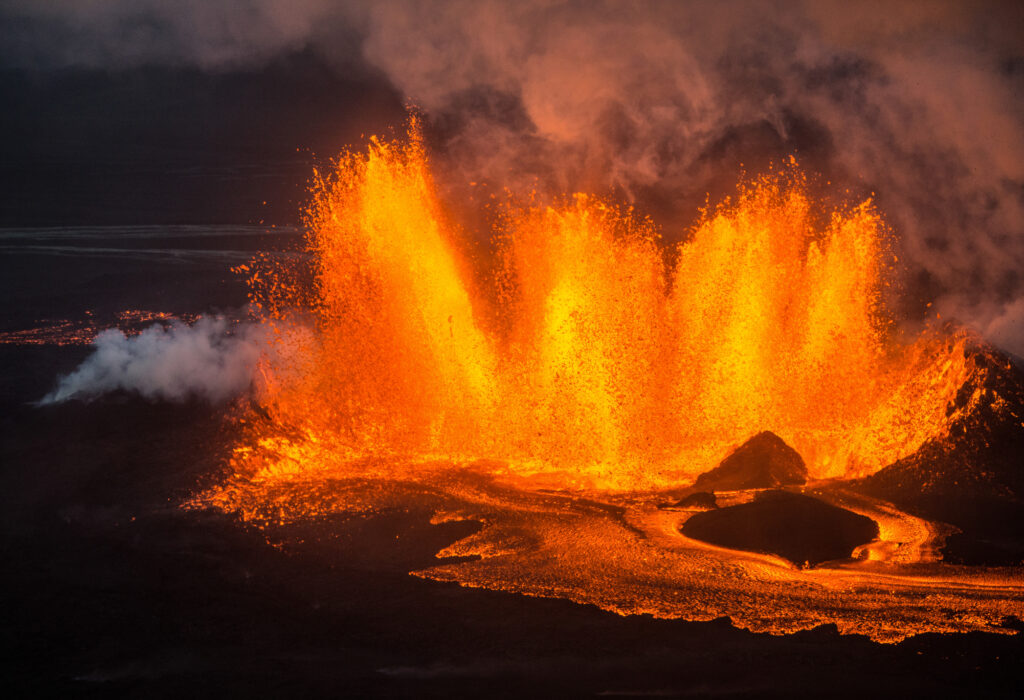
In January of 2025, a swarm of small earthquakes shook Iceland. The earthquakes were a reminder that the huge ‘ice volcanoes’ of the country may not be dormant much longer. Its ice volcanoes aren’t volcanos of ice, after all, but rather, true volcanos nestled in the glacial ice of this northern island.
Iceland is famous for its high levels of volcanic activity. But some of the volcanos in this country are dormant, in part because glaciers tend to subdue eruptions. Volcanoes buried under mountains of ice are generally less likely to erupt. They also have less intense eruptions when they do. The weight of the ice suppresses the volume of the eruption. But as the glaciers in Iceland retreat further, the volcanic eruptions are growing in strength and frequency.
A Looming Threat
One volcano in particular is being watched intensely. Bárðarbunga lies beneath Europe’s largest remaining glacier: Vatnajökull. The last time it erupted, in 2014, was Iceland’s largest eruption in 200 years. One of the reasons for this is that when magma meets ice, it can have rather explosive results.
Scientists in Iceland are keeping a close eye on Bárðarbunga. The primary question is not “if” but “when” this eruption will take place. One theory is that all the retreating ice of Iceland’s glaciers is unsettling the volcanos, causing more frequent and more explosive eruptions.
The goal of all this watchful research and study is not only to help the country prepare for future eruptions. A huge part of this research is about understanding what is going on underneath the earth’s crust, and how much of it is caused in some part by human activity and climate change.
Iceland is the perfect place to study the interplay between volcanic activity and glacial ice. It’s a sort of natural laboratory, as its geology makes it easier for scientists to study, theorize, and observe.
Beyond Iceland
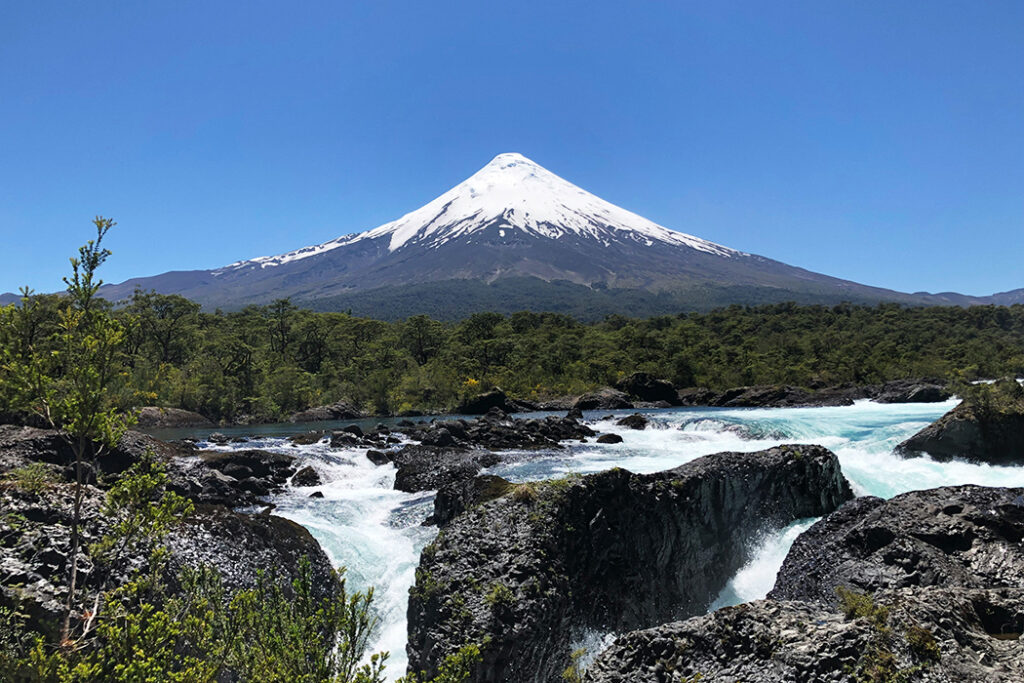
Observations in Iceland have encouraged scientists to look closely at other continental regions. The theory is that areas with similar geology should also show increased volcanic activity. In some areas of South America, New Zealand, Russia, and Antarctica, similar signs of increased volcanic pressure under receding glaciers are popping up.
One theory is that as the glaciers recede, their weight is lessened. The earth’s crust, which was being pressed down under the massive weight of the glaciers, bounces up a little as it recedes. Then, the gases from the underground magma are able to expand a bit. That expansion is a key contributor to volcanic eruptions.
In South America, at the southern tip of the continent, is the Patagonian area of southern Argentina and Chile. This area was once coated in ice and glaciers. It’s still very cold, with the southern tip being quite close to Antarctica. But even Patagonia is losing its ice at a noticeable rate.
This thawing is giving the volcanoes of Patagonia a chance to expand — and possibly erupt. The research begun in Iceland is now being applied to South America and Antarctica. One fear that haunts climate scientists is what can be done about it all?
Long-Term Effects
The long-term effects of multiple volcanic eruptions can add to the overall warming of the planet. Each eruption melts a little more ice, even if it doesn’t manage to break through the sheet completely. Hot magma will melt ice from beneath the ice sheet, or break through and melt the top of it.
The eruptions create a positive feedback loop, where melting glaciers cause eruptions and eruptions melt glaciers. Volcanic eruptions also contribute to a buildup of greenhouse gases in the atmosphere.
Of course, this is a very long-term concern. If this feedback loop begins, it would take place over hundreds — or even thousands — of years. The point of this research isn’t to cause panic or throw around doomsday prophecies. The point is understanding. When we understand our planet’s gentle balance, we’re better able to care for it and each other.
Featured Image by Tetiana GRY on Unsplash