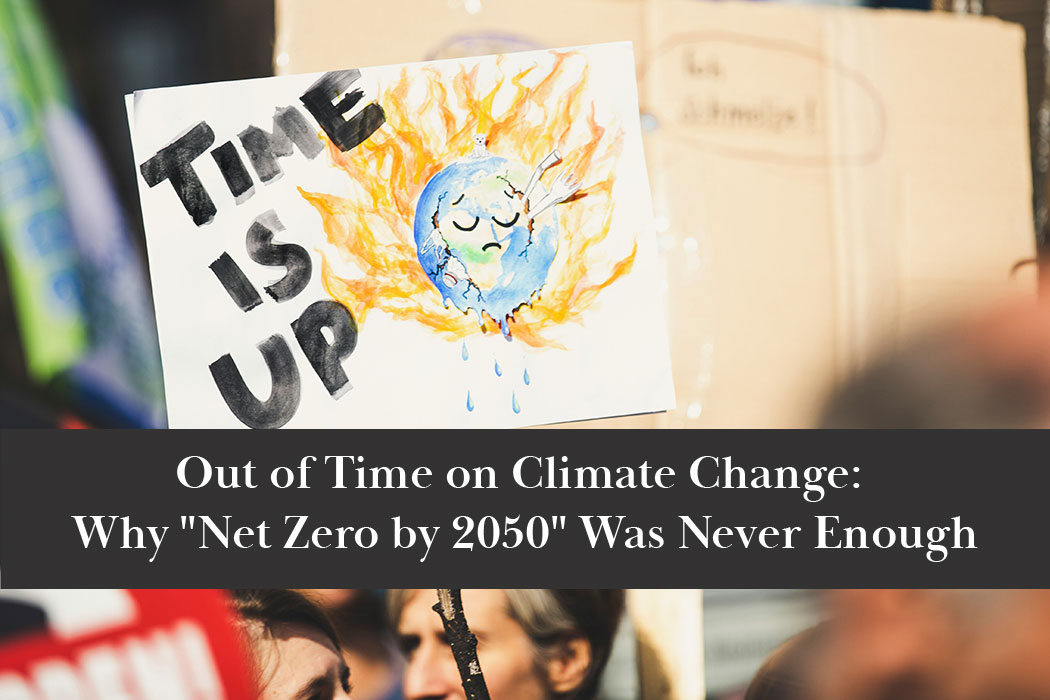
The comforting story that the climate crisis can wait is doing more damage than outright denial. The truth is, the numbers show the window is closing fast. Only about 14.8 percent of Americans reject the basic science of climate change. This is a share roughly comparable to the minority that still believes the Earth is flat. But the larger problem is the much bigger group that accepts the science and then quietly files it under “later.”
Filmmaker Adam McKay, the director of The Big Short and Don’t Look Up, argues in Current Affairs that this is the real deception. In his opinion, the lie isn’t that the planet isn’t warming. It’s the whisper that warming is real but not urgent, so we should keep doing what we’re doing.
McKay calls it the preferred falsehood of the ruling class, corporations and mainstream media. And he says it has stalled action more effectively than denial ever has.
A Deadline That Keeps Moving
The lie shows up in many forms.
One is the “Net Zero by 2050” pledge, which sounds decisive while placing the hard work in a distant decade.
Another is the focus on individual carbon footprints rather than corporate emitters.
The third is the habit of dismissing anyone who sounds alarmed as a “doomer.”
And perhaps the most harmful lie is the quietest version: silence.
McKay notes that Sir David King, a former UK chief science adviser, said in 2021 that the following three to four years would determine humanity’s fate. The years passed, and the deadline rolled forward anyway.
What gets lost, McKay writes, is context.
By his account, the past three years have likely averaged above the Paris Agreement’s 1.5°C line for the first time in more than 100,000 years, according to European climate monitoring.
Researchers at the University of Graz have projected that El Niño could push temperatures higher, toward 1.7°C. Oceans, meanwhile, are currently hotter than at any point since record-keeping began.
Related Article: Rainwater is No Longer Safe to Drink Anywhere on Earth
What the Official Numbers Show
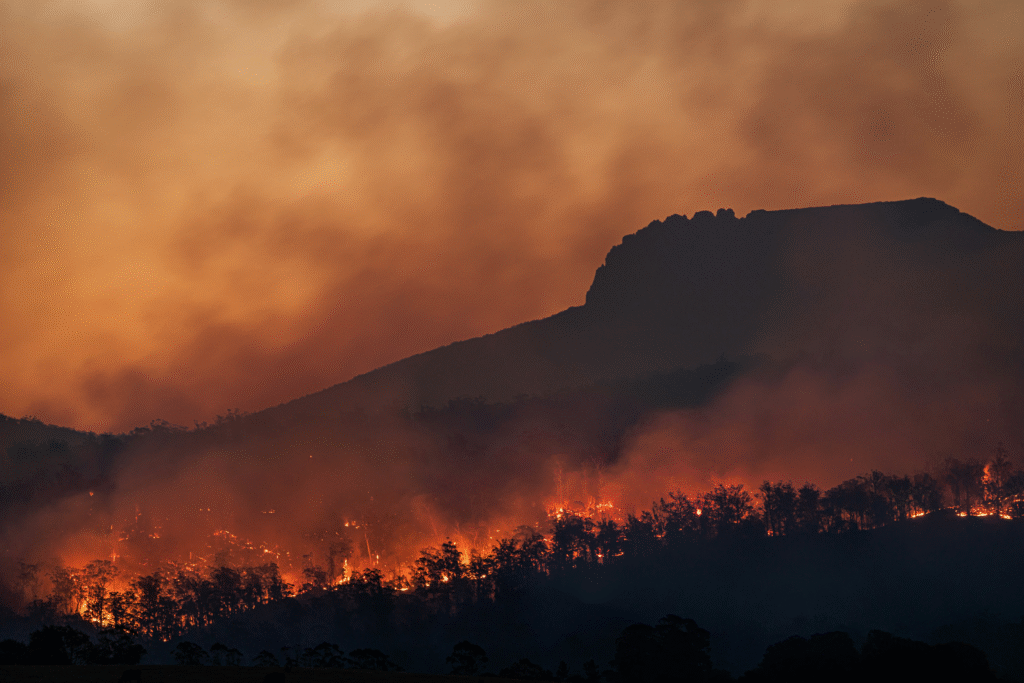
The United Nations Environment Program’s most recent Emissions Gap Report is blunt about the distance between promises and reality.
It finds that full implementation of national pledges would still lead to roughly 2.3-2.5°C of warming this century, and current policies point to about 2.8°C. Hitting the 2°C and 1.5°C paths would require emissions to fall by 35 percent and 55 percent, respectively, from 2019 levels by 2035.
But as they stand, the pledges would deliver only about 15 percent.
Emissions are also moving the wrong way.
In 2024, global emissions grew 2.3 percent, reaching 57.7 gigatons of CO2 equivalent.
UN Secretary-General António Guterres has said that a temporary overshoot of 1.5°C is now unavoidable, beginning in the early 2030s at the latest.
The reason this matters, as UNEP’s Emissions Gap summary puts it, is that every fraction of a degree avoided means lower losses for people and ecosystems. The gap between 1.5°C and 2°C is not abstract. At 2°C, the share of the world’s population exposed to extreme heat more than doubles, and coral reef losses rise from at least 70 percent to 99 percent.
Related Article: Global Food and Water Shortages are Imminent, Experts Warn
How Mainstream Media Weighs In
McKay leans heavily on a source not usually associated with alarm: insurance actuaries.
A report by the Institute and Faculty of Actuaries and the University of Exeter, Planetary Solvency, warns that mainstream economic models badly understate climate risk.
Under its scenarios, about 2°C of warming by 2050 could lead to more than 2 billion deaths. And 3°C could lead to more than 4 billion. The main author of the report said there’s no realistic plan to avoid that outcome.
McKay points out that the 2°C scenario is close to the best case, given where emissions are heading. He argues that if the mainstream press treated such findings as headline news, public pressure would look very different. Instead, he says, coverage tends to relegate them to the margins.
Media critics have made a similar complaint. Media Lens noted that the 4 billion figure appeared in an appendix and drew almost no mainstream coverage.
McKay tests the same idea with a graph produced by his nonprofit studio, Yellow Dot, that plots climate mentions on U.S. broadcast news against rising global temperatures.
The two lines cross in an X: as the planet heats up, the coverage thins out. An excellent example of this is the recent tornado coverage in New York City that conveyed the scale of the danger without ever naming its cause.
This Wasn’t an Isolated Lapse
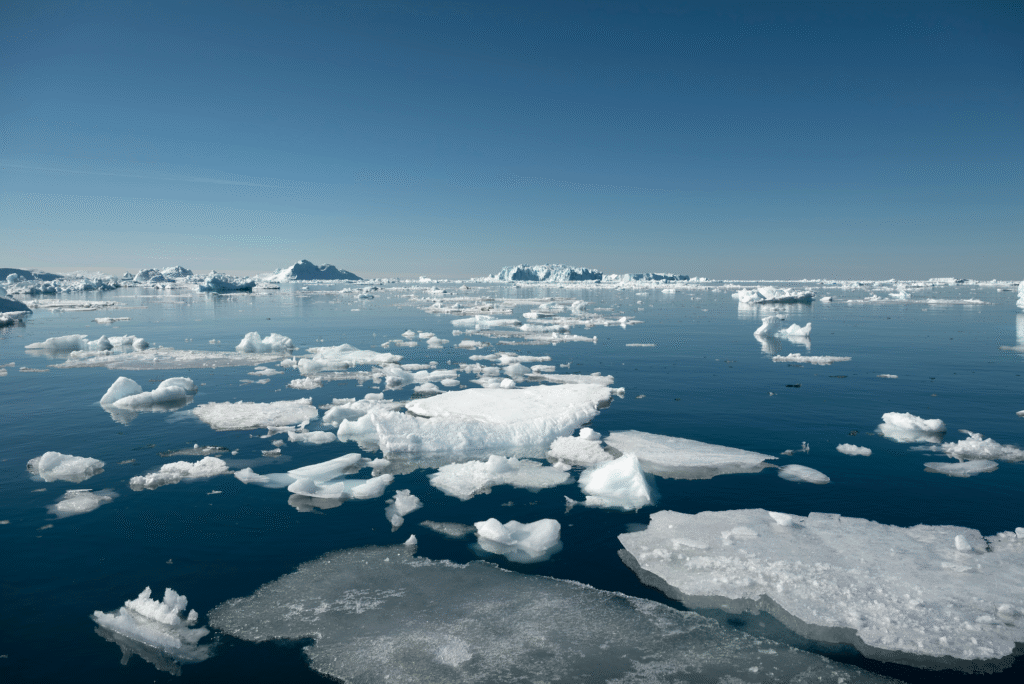
On June 23, 2026, ABC, CBS and NBC all led with severe weather headlines, from fires and floods to deadly heat affecting millions, yet none mentioned climate change, even in passing.
Scientists with World Weather Attribution said Europe’s heatwave would have been “virtually impossible” 50 years earlier. ABC’s broadcast covered tornado and flood watches in the East, storms across the Plains and heatwaves in four European countries without once using the word.
The lone exception among the evening newscasts was PBS NewsHour. It touched on climate change in two segments:
- The European heatwave report: PBS included a Paris resident saying she was worried about the coming years. She said governments have known about climate change for a while and none is making progress on it.
- A drought segment in Georgia: As a part of PBS’s ongoing Tipping Point series on climate impacts, a Union of Concerned Scientists expert said climate change is making droughts more frequent, alongside whiplash swings to extreme rainfall. The report then covered precision irrigation as a way for farmers to adapt, as well as policy options such as grants and low-cost loans.
PBS didn’t lead with extreme weather, unlike the other three networks. However, it addressed adaptation while avoiding causation, and burning fossil fuels wasn’t mentioned at all.
This issue isn’t just taking place in the United States.
The Energy and Climate Intelligence Unit analyzed nearly 2,500 UK articles on this past summer’s extreme heat and found that 72 percent failed to mention climate change at all.
The Truth: Climate Change Is Accelerating, Not Stabilizing
One of the starkest examples is Earth’s energy imbalance, or the gap between the heat the planet absorbs and the heat it radiates back to space.
The World Meteorological Organization reported in March that the ocean has been absorbing the equivalent of about 18 times the world’s annual energy use each year for two decades.
And the surplus is growing. Carbon Brief reports that it has more than doubled since the satellite record began, from around 0.5 watts per square meter in the 2000s to about 1.25 over the past decade.
Institutions that conduct hard security assessments have reached similar conclusions, but governments worldwide seem to want to keep this harsh news quiet.
McKay notes that the UK government tried to bury an intelligence report warning that ecosystem collapse threatens national security.
Related Article: This Year’s Record-Breaking “Super El Niño” Weather Event May be Devastating
So Why Portray Climate Change As a Future Issue?
McKay’s central claim is that the 11,000-year Holocene, the stable climate that made agriculture, cities, and modern medicine possible, is what’s at stake.
In his view, the idea that this is a problem for our great-grandchildren is false comfort, and it leaves people unable to judge their own risk.
He argues that financial markets, fossil fuel companies, the banks that fund them, and the everyday desire not to ruin a dinner conversation all benefit when the crisis stays comfortably abstract.
What the Critics and Data Leave Open
The facts are real. But not everyone agrees on what the data means for our future.
The emissions gap, the overshoot, and the stalled pledges are all well documented. But the mortality estimates are scenario-based risk models from a single report rather than forecasts.
McKay’s claim that civilization could collapse within years is also considerably more severe than the framing in most institutional assessments, which discuss decades-long timelines and wide ranges of outcomes. UN officials, on the other hand, reject the fatalistic reading.
UNEP points to some progress, noting that renewables overtook coal as the world’s largest source of electricity in the first half of 2025. Its scenario modeling also finds that limiting overshoot and returning to 1.5°C by 2100 remains technically possible, though extremely hard.
Even so, the disagreement is mostly about how much time remains and how to discuss it, not about whether the delay is dangerous. On that, McKay and the UN’s own scientists largely agree.
The harsh truth is that every year of rising emissions makes the cuts required later steeper, and the story that we can take it slowly is the one thing the numbers simply don’t support.
Featured Photo by Markus Spiske on Unsplash