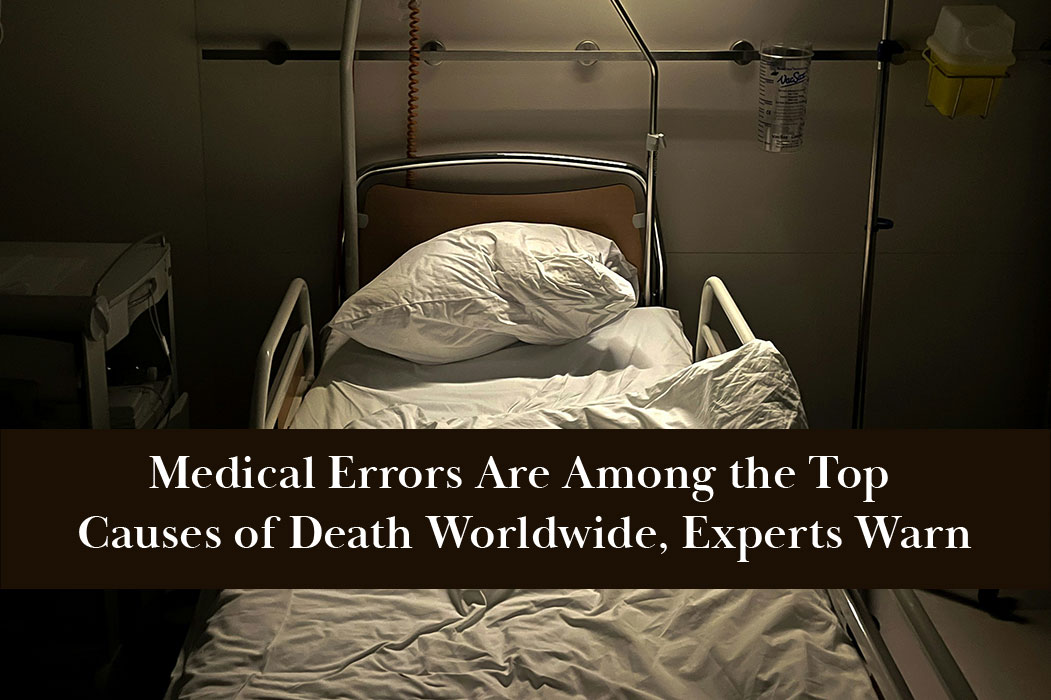
Hospitals and clinics exist to save lives. That said, a growing body of evidence suggests the very systems meant to heal patients are, with troubling regularity, contributing to their deaths. Researchers and patient advocates say medical errors now rank among the leading causes of death globally. This crisis persists despite decades of safety initiatives and public awareness campaigns.
A Global Problem, Measured Imperfectly
Pinning an exact number on how many people die from medical errors each year is notoriously difficult. This is in part because errors are inconsistently reported and many go undetected entirely. Still, the estimates that do exist paint a sobering picture.
The World Health Organization (WHO) has estimated that roughly 2.6 million people die each year worldwide due to medical errors. This is a figure cited widely by patient-safety advocates as evidence that the problem extends far beyond any single country’s health system.
In the United States, a 2016 study published in The BMJ by Johns Hopkins found that medical errors were the third leading cause of death. This makes them responsible for an estimated 251,454 deaths annually. But a 2013 analysis in the Journal of Patient Safety suggested the toll could be as high as 440,000 deaths a year.
Estimates from other countries follow a similar pattern. Studies have pointed to roughly 12,000 medical-error-related deaths annually in the United Kingdom, and 18,000 in Australia.
In lower- and middle-income countries, the picture may be even worse. The WHO has estimated that four in ten patients in primary and ambulatory care settings in these countries are harmed. This is often due to resource shortages and weaker patient safety infrastructure.
Related Article: Scientists Unveil the Planetary Health Diet – A Recipe for Saving Lives and the Planet
Canada’s Reckoning
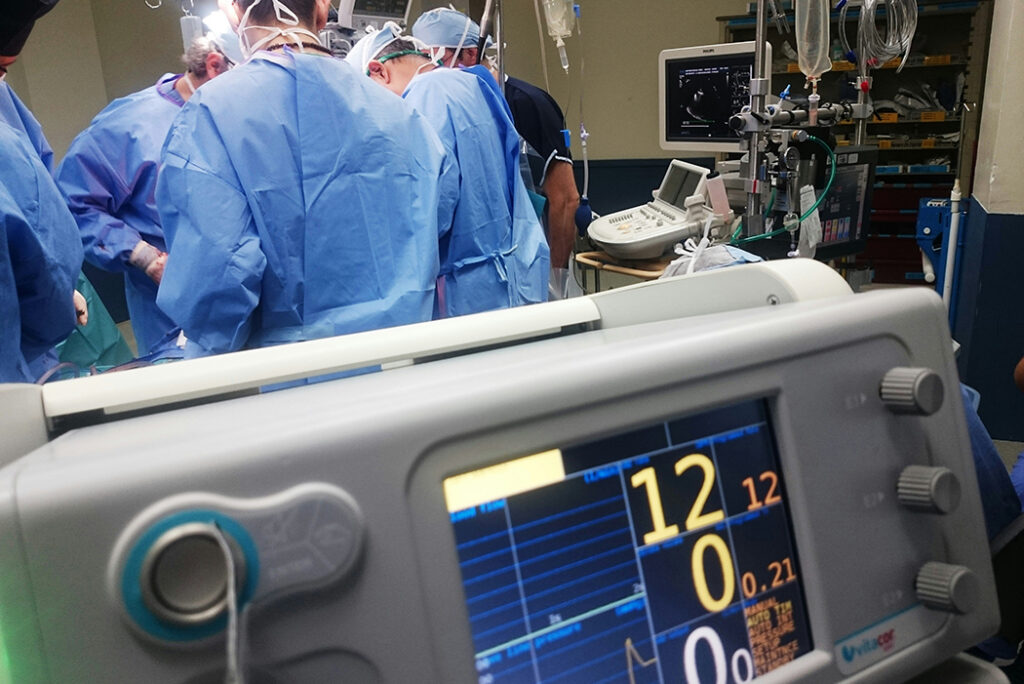
Canada’s numbers underscore how deeply the issue cuts, even in wealthy nations with well-established healthcare systems.
According to reporting compiled from Canadian medical-error data, about 28,000 Canadians die each year because of medical mistakes. These fatality figures are believed to be conservative. They place medical error just behind heart disease and cancer as a cause of death, with tens of thousands more Canadians injured annually.
Catherine Shearer, a personal injury lawyer at McKenzie Lake Lawyers in Guelph, Ontario, said the strain on the healthcare system is a major contributing factor.
“In our current overworked, understaffed, pandemic-strained healthcare system, more mistakes are bound to happen,” she said.
Among the most common mistakes she sees are surgical and anesthesia errors, inadequate monitoring after a procedure, and birth injuries or trauma. Additionally, there are delayed or missed diagnoses and medication mix-ups that occur when patients see multiple providers without coordinated care.
Shearer described one case involving a woman who went to the emergency room after suffering a heart attack. She waited 12 hours to see a doctor. Then, she was admitted to an area without proper monitoring equipment, despite being at high risk of a second attack.
The case, she said, illustrates how gaps in follow-through — not just outright negligence — can put patients at serious risk.
“If the care falls below the standard of care, the medical personnel have acted with negligence and are opening themselves up to a lawsuit,” Shearer said.
The Emergency Room Blind Spot

Emergency departments, where split-second decisions are the norm, appear especially vulnerable to diagnostic error.
A 2022 analysis funded by the U.S. Department of Health and Human Services found that roughly one in 18 emergency room patients is misdiagnosed. That’s about 7.4 million people annually in the United States. Of those misdiagnosed, 370,000 of those patients suffer serious harm, including permanent injury or death.
Attorney Todd Hendrickson, who handles emergency-room malpractice cases, said certain conditions are especially prone to being overlooked because their symptoms can be subtle or atypical.
For example, strokes in younger patients or women often present as dizziness, nausea, or fatigue. As a result, they can be mistaken for migraines or anxiety. Heart attacks also don’t always announce themselves with classic chest pain. Particularly in women, symptoms can resemble indigestion or back pain and get dismissed as acid reflux or panic attacks.
Other frequently missed diagnoses include aortic dissection, sepsis, and pulmonary embolism. These are conditions that can become fatal within hours or even minutes if treatment is delayed.
The reasons behind these errors, Hendrickson said, are systemic rather than incidental. They involve rushed evaluations, unconscious bias, failure to fully listen to a patient’s account of their symptoms, overreliance on incomplete test results, and poor handoffs between staff during shift changes.
“In many of our cases, the signs were right there in the chart — but no one put the pieces together,” he said.
Related Article: Ozempic Up Against Lawsuits As Thousands Report Serious Side Effects
What You Can Do About Medical Errors

Faced with a healthcare system that even its own practitioners acknowledge is fallible, advocates say patients and families should take an active role in their own care.
Recommendations include asking direct questions like what else a set of symptoms could indicate. Patients should clearly repeat key details about symptoms and their timing. They should also request additional testing when something feels unresolved, and ask providers to document their diagnosis and follow-up plan.
If symptoms persist or worsen after discharge, experts advise returning to a hospital rather than assuming the initial assessment was correct.
Shearer offered similar advice for patients navigating a system stretched thin by staffing shortages and rising demand.
“The best way to protect yourself is to be your own advocate, and sometimes there’s nothing you can do. Sometimes you have to trust the system and hope it doesn’t fail you,” she said.
For now, patient-safety researchers say closing the gap between the healthcare system’s promise and its performance will require more consistent error reporting, better staffing levels, and systemic changes to how hospitals catch mistakes before they become fatal. This effort is likely to take years, even as the death toll continues to accumulate in the meantime.
Featured image by Frederic Köberl on Unsplash