
Most of us know several people who claim that someone in their life is a narcissist. Far from being a common condition, Narcissistic Personality Disorder (NPD) is a serious personality disorder. It only affects a small portion of the population, and is usually caused by a combination of genetics and childhood experiences. So why are so many people labelled as narcissists now? Has there been a sudden epidemic of narcissism on a global scale? Or is this label being unfairly applied to individuals who simply don’t behave the way others want them to?
NPD Affects a Very Small Percentage of the Population
True narcissism is a cluster-B personality disorder that usually stems from childhood trauma, abuse, or neglect. NPD is far more prevalent in men than women, and can appear in either grandiose or vulnerable forms.
This doesn’t mean that people don’t exhibit narcissistic traits on occasion. It simply means that being self-centered now and then doesn’t mean that a person has a pathological personality disorder.
There are countless reasons why a person may behave in a manner others consider to be selfish. An individual who’s worn thin from overworking and household management may withdraw from socializing in order to refill their energy well. Similarly, a person who wants to end their romantic relationship may be less affectionate or attentive as they plan a way out. Those who are observing this behavior may construe it as narcissistic. In reality, it’s just people being human.
Unfortunately, recent societal dynamics place indulging one’s own whims and preferences as a top priority, and that includes trying to control how other people behave.
With so many individuals on social media platforms like Instagram, Facebook, and TikTok, it’s unsurprising that self-centered behavior has been on the rise. After all, these apps promote attention-seeking, superficial antics, and performativism. By showing off in various ways, people are rewarded with ego-boosting “likes”, or even money. Many people monetize their social media accounts and get paid for every click they get. In order to keep the cash flowing, they have to center themselves and draw attention by any means possible. Furthermore, they’ll often attack any naysayers, or anyone else who they feel isn’t being sufficiently supportive of their endeavors.
Related Article: New Study Finds That Our Brains Rewrite Memories Each Time They’re Recalled
Why are So Many People Being Labelled as Narcissists Now?
As mentioned earlier, countless people are being labelled as narcissists on a daily basis nowadays. What’s important to keep in mind, however, is that this labelling isn’t coming from psychiatric professionals. Instead, it’s everyday people who have decided to label others as narcissists when they don’t follow the right path as expected.
The person whose ex partner didn’t give them enough attention is suddenly a narcissist.
So is the parent of the one who didn’t feel sufficiently loved as a child compared to their siblings.
Or the friend who withdraws to deal with personal issues rather than being on call to provide support on demand.
People seem to forget that human beings are deeply flawed individuals who are all doing our best to struggle though difficulty and uncertainty. We’re going to be self-absorbed at times, or unable to give others the attention they want. But instead of recognizing that a person is going through a rough time and acknowledging that they’re acting a bit selfishly, they’re suddenly labelled as “a narcissist”.
The rise in consumerist culture, paired with the aforementioned social media apps certainly hasn’t helped. Many people treat others as commodities they can order to their specifications, and discard when they’re no longer ideal. They curate facades of their lives and expect others to play along with their plans. And when they don’t, they take that behavior as a personal injury rather than simple life experience.
Human existence has never been frictionless. Few individuals in the history of our species have been happy every hour of every day. Yet that seems to be the common expectation nowadays. And whoever causes them discomfort, or doesn’t comply with their individual wants, becomes an enemy who’s apparently in need of psychiatric help.
By Current Societal Standards, Each of Us is a Narcissist in Someone’s Eyes

Considering the current trend, people are labelling everyone as narcissists if they don’t behave exactly the way they envisioned or hoped for. If they aren’t available or don’t reciprocate interest or affection — even for completely valid reasons — then they’re a narcissist. This individual had the audacity to go off script and didn’t treat another as the main character in their story?
Narcissist.
Those who label others as having NPD are often doing so to punish the one they feel has mistreated them. For example, a relationship breakup becomes a lot less painful if the one who broke it off is seen as a narcissist, rather than simply not being compatible with their partner anymore. Labelling someone else with a personality disorder puts them in the wrong. This is much easier on a person’s ego than feeling unwanted.
Alternatively, a person might label another as a narcissist if they want to assassinate their character. This can be an effective way of punishing an individual whom they feel has wronged them. That’s a slippery slope as far as human interactions go. If we’re demonizing and seeking to punish those who don’t behave exactly as desired, what incentive is there to try to cultivate authentic relationships with others? And how will humanity evolve from here on?
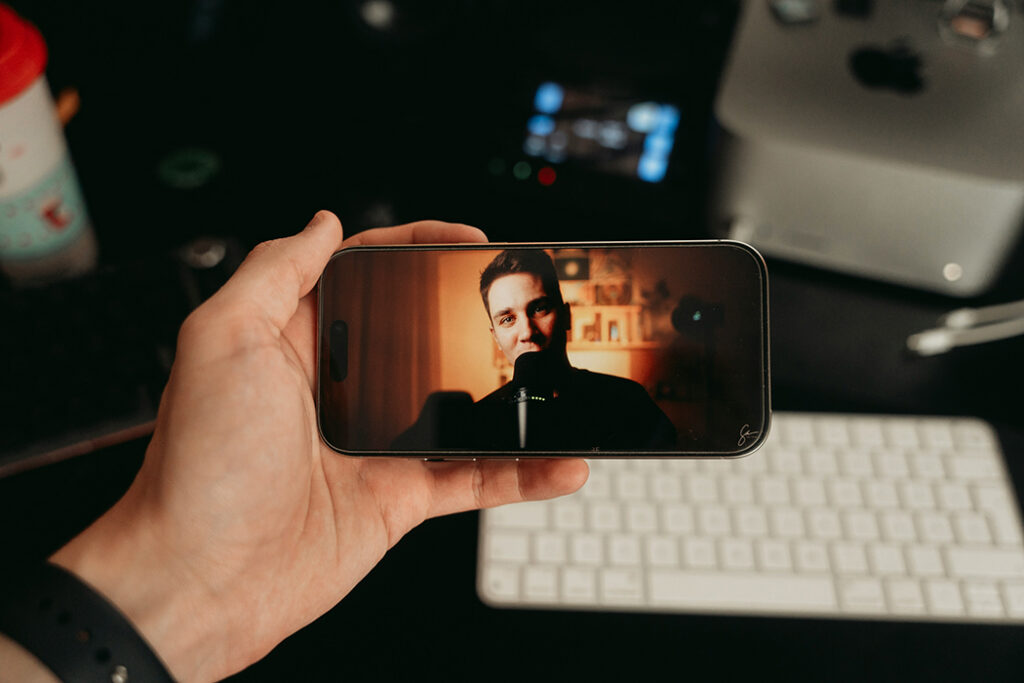
A YouTuber who runs the page “Meditations for the Anxious Mind” touched upon this topic in one of his recent videos:
“If your parents, avoidant exes, school friends, neighbors, co-workers, and everyone you’ve ever fallen out with gets labelled in hindsight, they can’t all be narcissists. Maybe the real narcissist is a culture that treats inconvenience like emotional abuse. We’ve been taught that anyone who makes us feel bad is fundamentally broken, when sometimes they just live in a world that doesn’t revolve around you.”
It’s Time to Stop the Armchair Diagnoses
If we end up feeling upset or hurt because someone else didn’t behave as ordered, it’s important to avoid the urge to label or slander them. Instead, we should turn our energy towards self-awareness, and resilience in the face of uncomfortable emotions. It’s human nature to be averse to discomfort in favor of more pleasant, happy experiences, but this doesn’t encompass the wealth and breadth of the human experience.
Over the course of our lives, we are going to be disappointed.
We’ll all experience hurt, betrayal, and despair as well as joy and fulfillment. People are going to behave selfishly towards us, and we may be manipulative or self-absorbed in turn. We may not want to have unpleasant experiences, but we can’t be truly human without them. Condemning others as evil for not making our lives the pleasant paradise we’d like them to be isn’t going to help us grow. We can’t develop true empathy without experiencing hardship. Nor can we really appreciate the good times without the difficult, challenging ones.
Unless you’re a psychiatrist specializing in personality disorders, and you’ve been working with an individual for several months —or even years — then don’t try to diagnose them as “a narcissist”. Instead, seek to acknowledge them as a person who’s struggling just as much as you are. Recognize that you haven’t been perfect towards others either, especially in times of hardship, and it’s both unfair and unrealistic to expect perfection from them in turn.
Aim for understanding, self-awareness, and empathy rather than condemnation based on presumed clinical psychopathy. Doing so isn’t easy, but it makes for a much healthier, more functional society overall.
Featured Image by Look Studio on Unsplash